English
 Español
 عربى
عربى
All-terrain vehicles have worked their way into a surprising number of roles over the past few decades. You'll find them on weekend trails, moving equipment around farms, supporting military logistics, and running patrols across remote industrial sites. That breadth of use comes from a manufacturing landscape that's just as varied — ATV manufacturers range from large multinationals with global dealer networks to regional specialists targeting specific market segments with focused product lines.
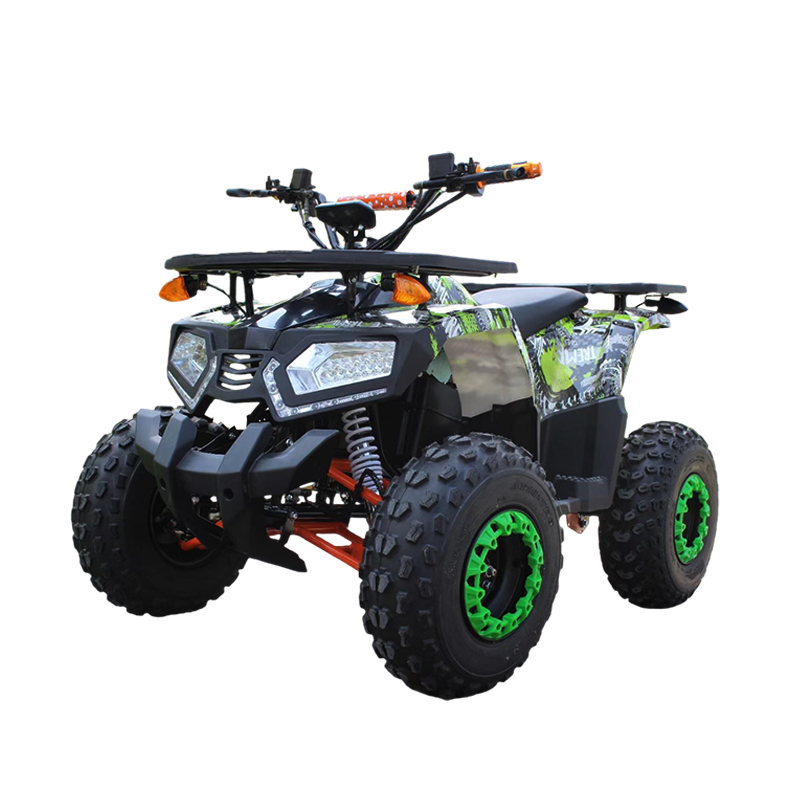
The basic ATV formula — low-pressure tires, straddle seating, handlebar steering, built for rough ground — has stayed consistent since the category took shape. What's changed is how many directions manufacturers have taken that foundation. The market now breaks down into several fairly distinct vehicle types:
- Sport ATVs: These are built around performance. Power-to-weight ratio, suspension travel, and handling are the engineering priorities. Manufacturers in this space spend heavily on engine development, frame geometry, and suspension tuning to produce machines that feel responsive on trails and tracks.
- Utility ATVs: Work comes first here. Load racks, towing capacity, four-wheel drive, and durability under daily use define this segment. Farmers, property managers, hunters, and site workers are the core buyers, and manufacturers design accordingly.
- Youth ATVs: Scaled-down machines for younger riders, with engine sizes and top speeds matched to age and experience level. Ergonomics and simplified controls matter more than outright capability.
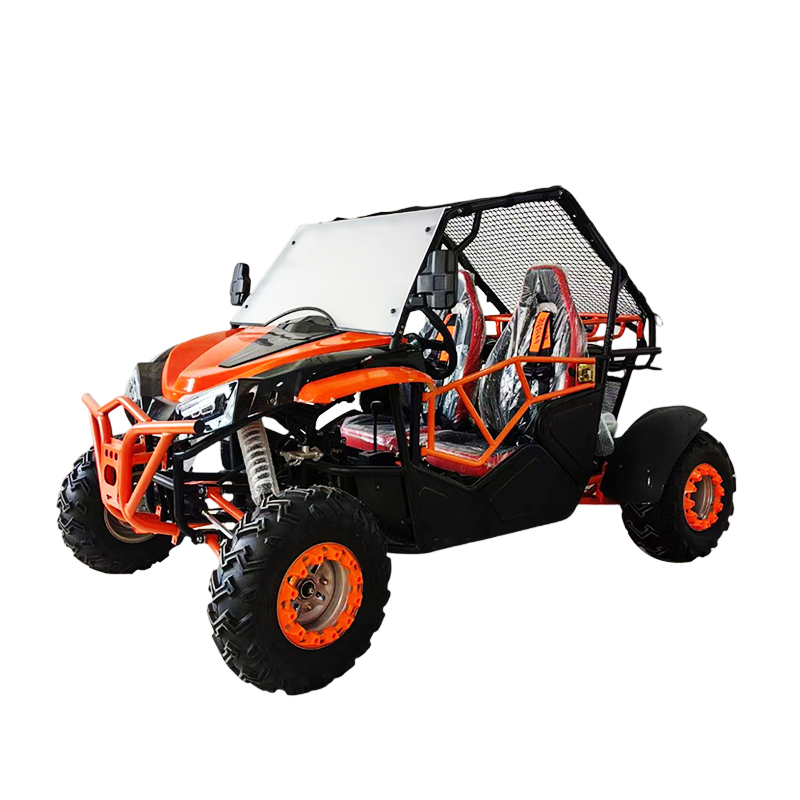
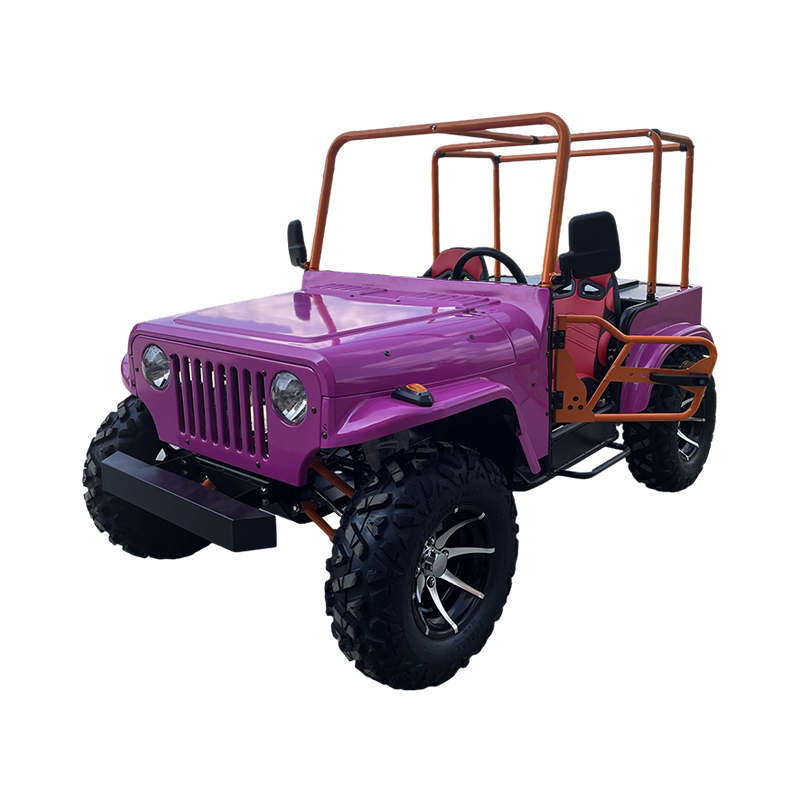
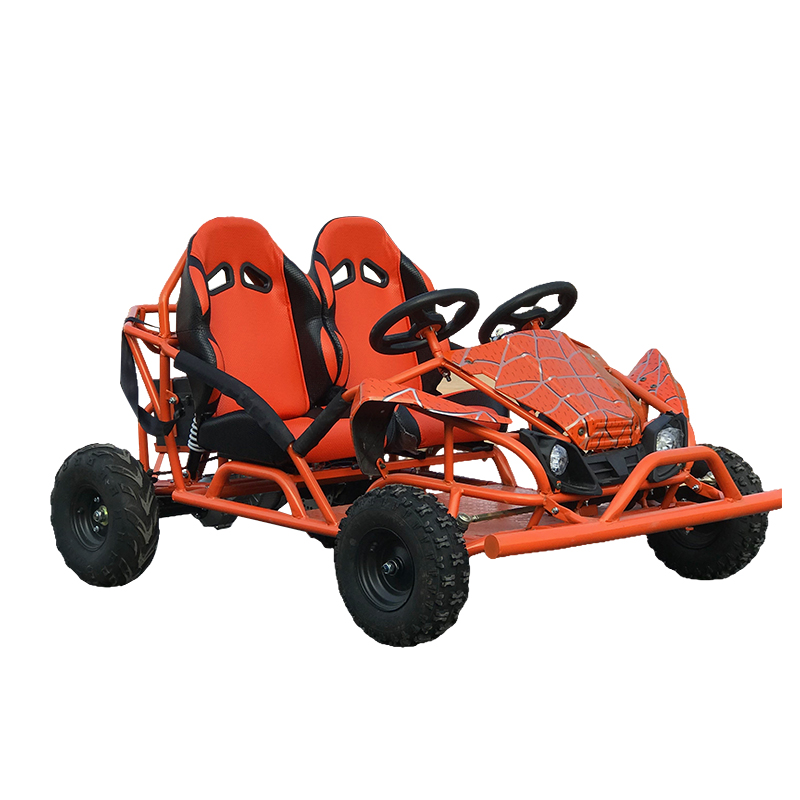
- Side-by-side vehicles (UTVs): Technically a separate category, but most established ATV manufacturers also build side-by-sides. Bench or bucket seating for two or more occupants, often with a cargo bed, has made these a major revenue line for several brands.
Chinese ATV manufacturers are a different story than they were twenty years ago. Early Chinese production was largely aimed at the low end of export markets. Since then, a meaningful number of producers have put real investment into engineering capability, tighter quality control, and building out international distribution. Chinese-made ATVs now cover a wide band of the market — from basic utility machines to sport-oriented models with larger engines and more developed suspension setups — and supply significant demand across Europe, Latin America, and Southeast Asia.
For anyone evaluating manufacturers, whether as a buyer, distributor, or OEM partner, a few things tend to drive the conversation:
- Engine displacement and sourcing: Engines range from under 50cc in youth models to over 1000cc in heavy utility and performance machines. Whether the manufacturer builds its own engines or sources them from suppliers affects parts availability and long-term serviceability in ways that matter to dealers and fleet operators.
- Frame construction: Steel tube frames are standard across most of the market. Aluminum appears in performance models where weight reduction justifies the cost. Frame rigidity, weld quality, and impact resistance all feed into how the vehicle holds up over years of hard use.
- Drivetrain: Two-wheel drive covers a lot of sport and entry-level utility ground. Four-wheel drive with selectable engagement is expected in mid-range and heavy utility models. Differential lock is a genuine selling point for agricultural and industrial buyers dealing with demanding terrain.
- Suspension: Independent front suspension is now fairly common across the market. Rear suspension varies — independent setups appear in higher-specification models while solid axle configurations hold on in segments where simplicity and load capacity outweigh comfort.
- Supply chain reliability: For distributors and fleet buyers, a manufacturer's ability to ship consistent volume, keep parts flowing, and back warranty claims matters as much as what's on the spec sheet. A well-engineered machine from a supplier with unreliable logistics creates problems downstream.
Some manufacturers also offer meaningful flexibility for OEM and bulk buyers — adjustable engine sizes, custom color schemes, rack configurations, and private-label branding. That kind of adaptability has made certain producers particularly attractive to distributors building their own product lines or equipping specific sectors like agriculture, forestry, or security operations.
The range of ATV manufacturers active today reflects just how many different things people need these vehicles to do.