English
 Español
 عربى
A Compact Vehicle for Different Working Environments
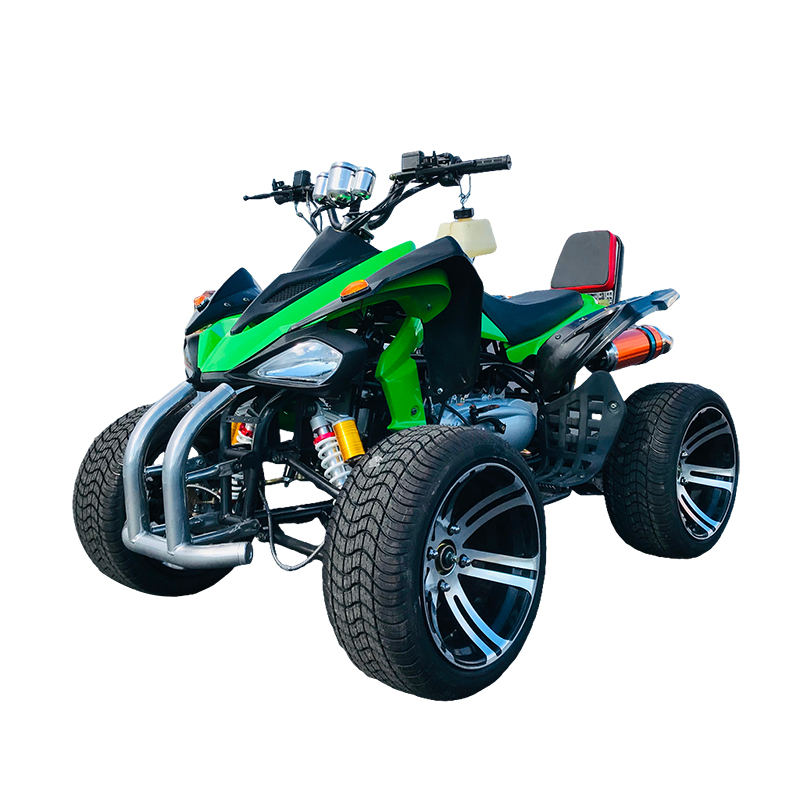
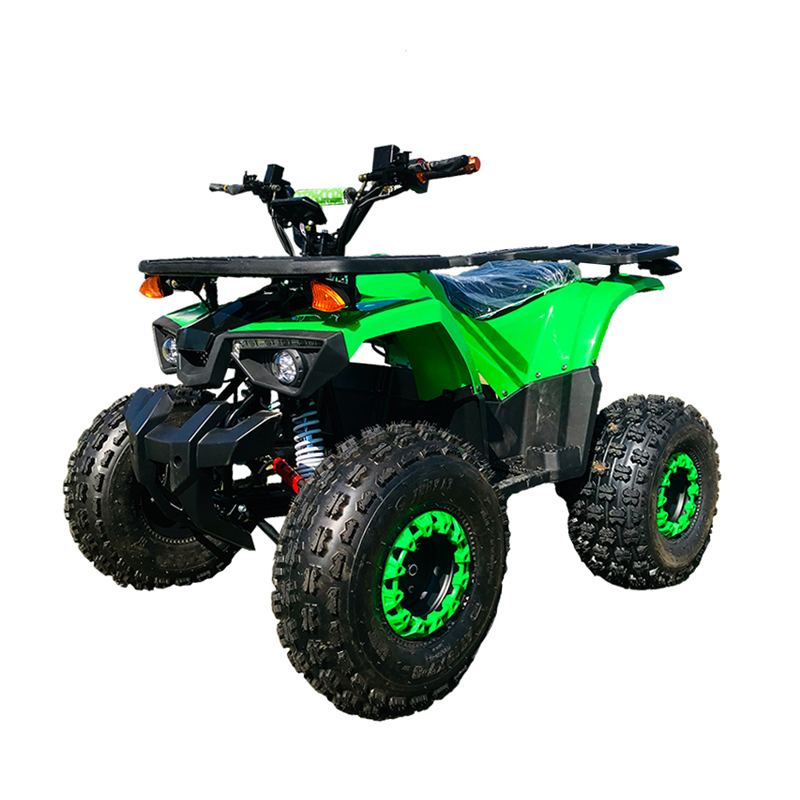
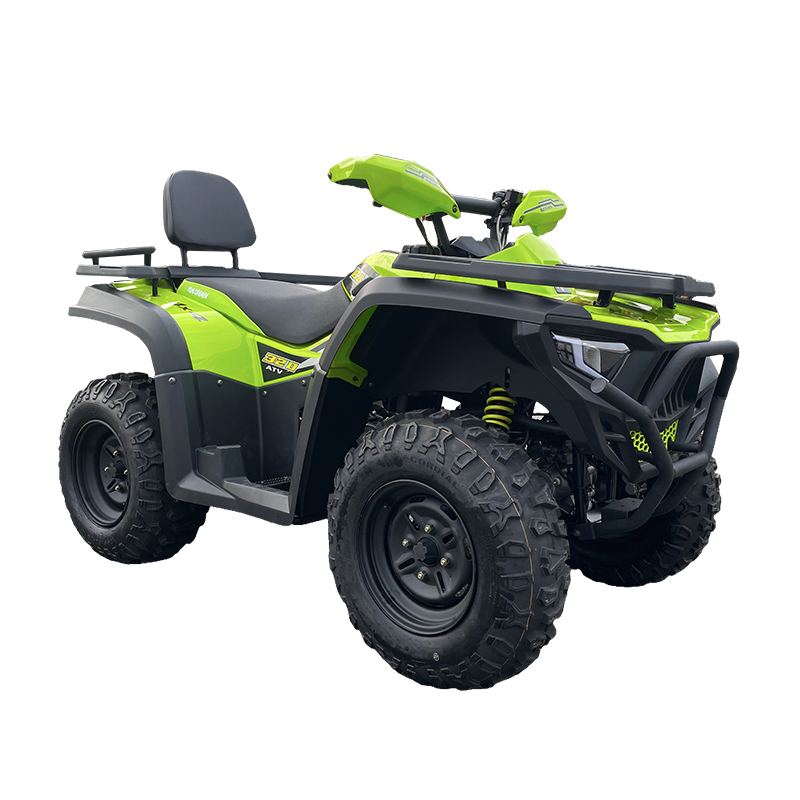
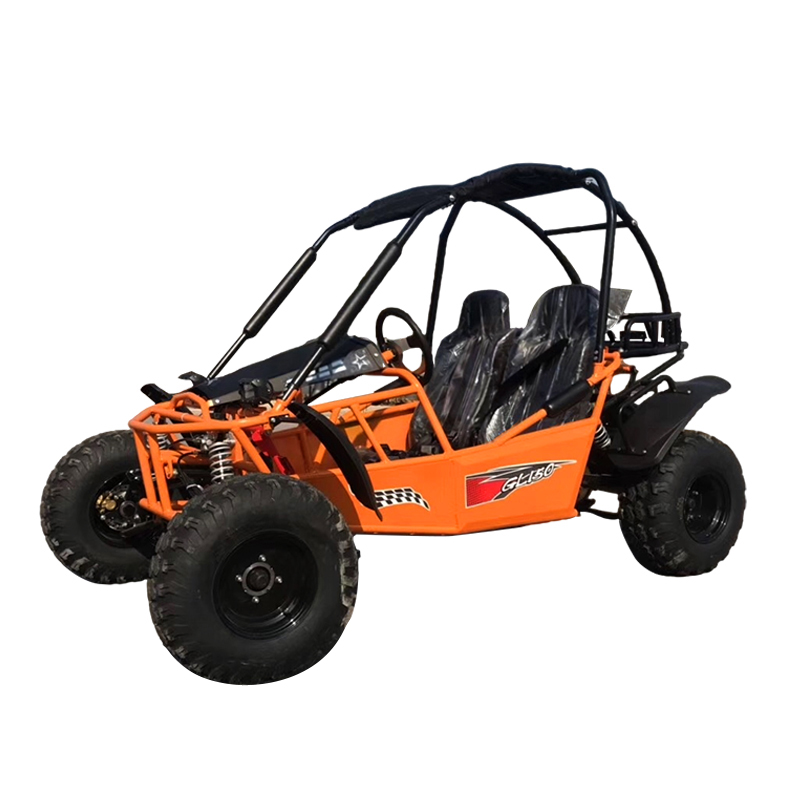
Electric vehicles are no longer limited to passenger cars and public transport. Compact utility vehicles are also finding applications in industrial facilities, agricultural operations, commercial properties, and recreational areas. An Electric Four-Wheeler uses an electric motor and a rechargeable battery to provide four-wheel mobility for short-distance travel and light transport tasks.
Compared with larger vehicles, compact four-wheelers can be easier to operate in confined spaces. Their practical value depends on vehicle dimensions, load capacity, driving range, terrain, and the type of work involved. These factors influence how manufacturers design their vehicles and how businesses integrate them into daily operations.
How the Electric Drive System Works
The basic operating system consists of a battery pack, an electric motor, a controller, and a drivetrain. The battery supplies electrical energy, while the controller regulates power delivery according to accelerator input and operating conditions. The motor converts electrical energy into mechanical movement.
This arrangement provides direct power delivery and allows the vehicle to start and stop without the gear changes associated with some conventional powertrains. Depending on the model, the drivetrain may use a single motor, a differential, or other drive configurations.
Battery capacity and motor output affect how a vehicle performs under different loads. A vehicle designed for light passenger transport may have different power requirements from one used on uneven agricultural ground or for carrying equipment.
When comparing models, manufacturers and fleet operators commonly examine several specifications:
- Motor power and battery capacity: These influence acceleration, load handling, and the distance available between charging sessions.
- Chassis and suspension design: These affect stability, ground clearance, and comfort across different surfaces.
Understanding the relationship between these components helps users assess whether a vehicle suits its intended operating conditions.
Factors That Shape Vehicle Performance
Not every four-wheeler is designed for the same purpose. Some prioritize passenger comfort, while others focus on cargo transport or operation across rough surfaces. The intended application determines which design features deserve attention.
Important considerations include:
- Payload and seating: Confirm whether the vehicle is designed for passengers, cargo, or a combination of both.
- Operating range and charging: Consider the distance traveled during a typical work cycle and the availability of charging points.
- Tires and ground clearance: Match these features to the surfaces and obstacles encountered during daily use.
- Vehicle dimensions: Check turning space, storage arrangements, and access through gates or work areas.
These details help businesses compare vehicle configurations according to real operating needs.
Battery Capacity and Charging Requirements
Battery technology plays a central role in the operation of an Electric Four-Wheeler. Battery capacity affects the amount of energy available, while actual range also depends on vehicle weight, payload, driving speed, terrain, temperature, and driving habits.
Lithium-ion and lead-acid batteries are used in different electric utility vehicle designs. Their charging characteristics, weight, service life, and initial equipment requirements vary by configuration.
Charging arrangements should fit the daily work schedule. A vehicle used for short trips throughout a facility may have different charging needs from one that travels longer distances across rural property. Manufacturers can help clarify battery specifications and expected operating conditions for individual models.
Matching Vehicle Design With Daily Tasks
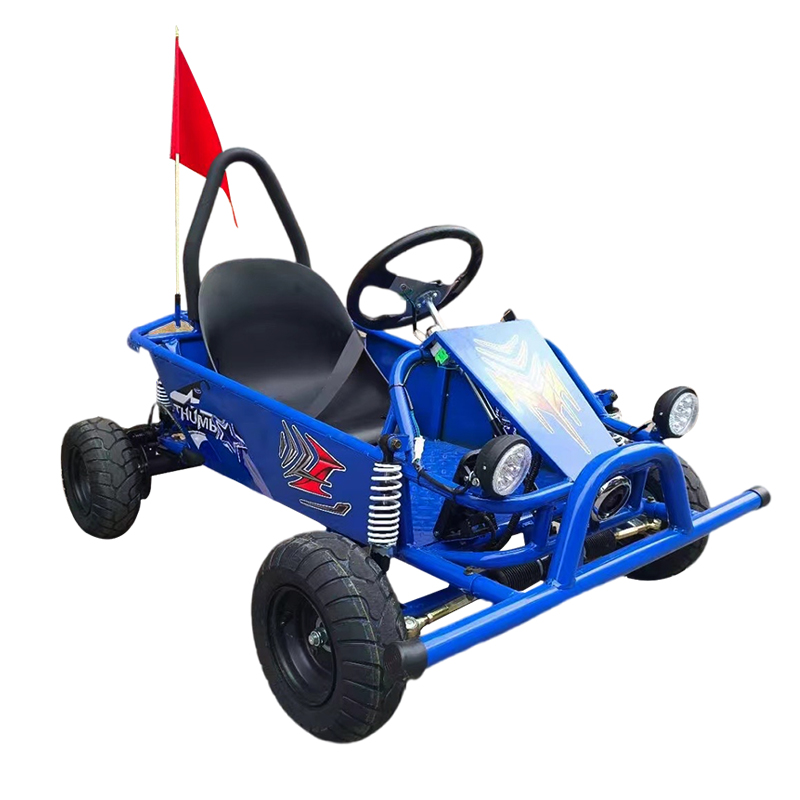
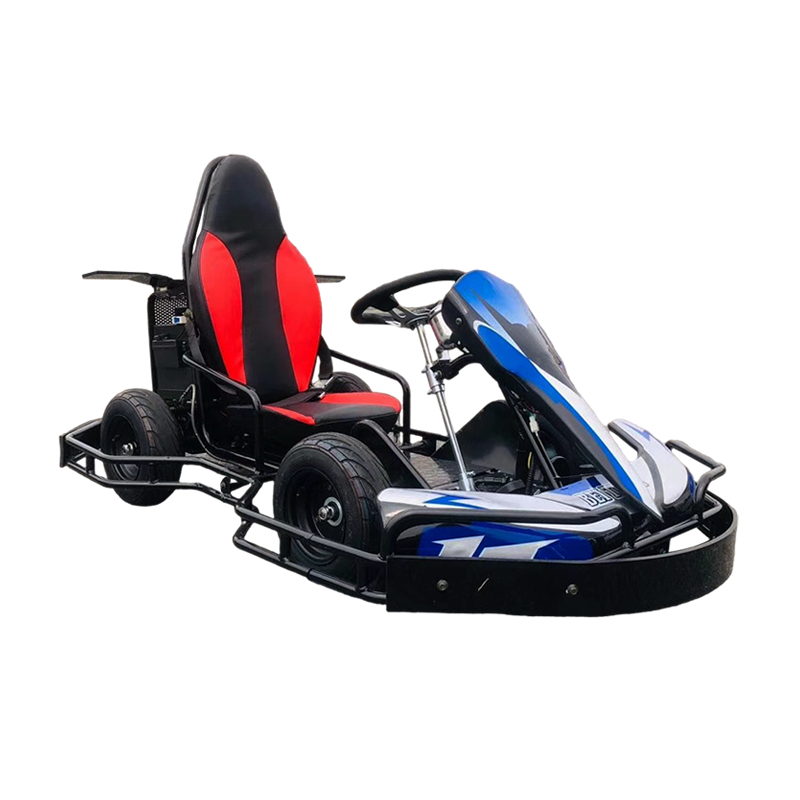
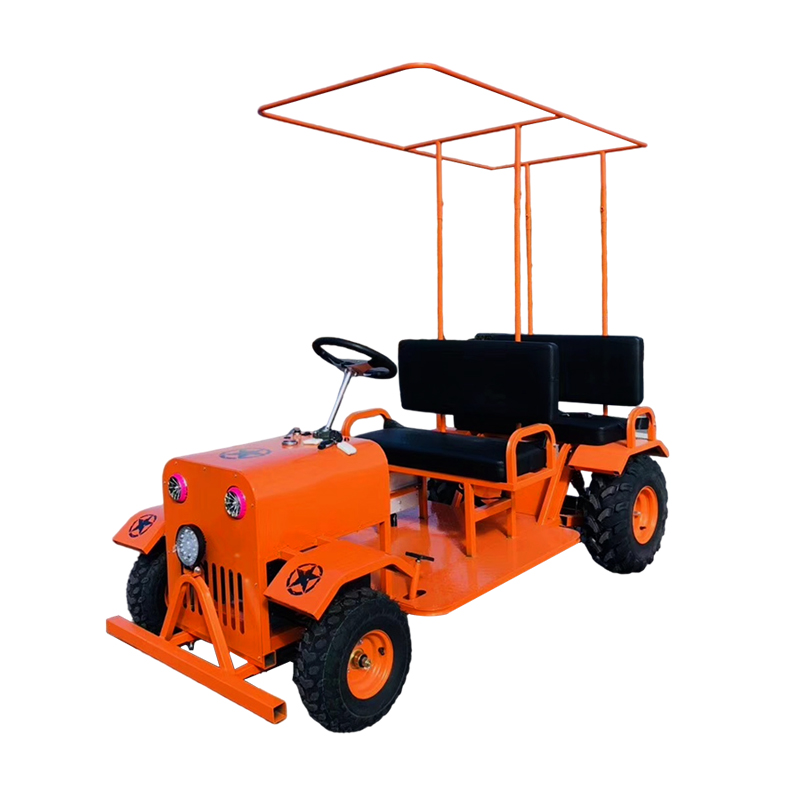
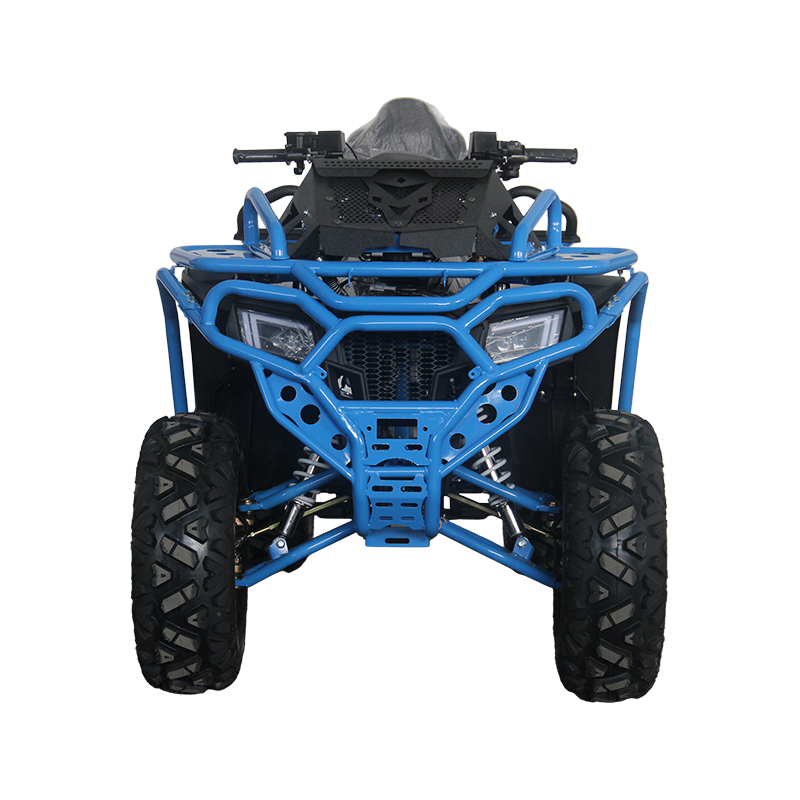
The practical role of an Electric Four-Wheeler extends across agriculture, industrial transport, commercial properties, and leisure facilities. Its usefulness comes from matching vehicle configuration with the work being performed.
Motor output, battery capacity, cargo space, suspension, and drivetrain design all contribute to operating performance. By evaluating these elements together, businesses can identify a vehicle that fits their routes, payload requirements, and working environment.