English
 Español
 عربى
عربى
The recreational landscape is observing a significant expansion in the popularity of off-road karting, an outdoor pursuit that merges the dynamic handling of go-karts with the adventure of traversing natural terrain. This rise marks a shift in how many individuals and families approach motorized leisure, moving beyond paved circuits to embrace dust trails, grassy fields, and forest paths. The activity's broadening appeal stems from its adaptable nature, serving both as a casual weekend pastime and a more serious hobby for driving enthusiasts.
A closer examination reveals several interconnected reasons for the sustained growth of off-road karting. Accessibility remains a fundamental pillar. Compared to other forms of motorsport, the financial entry point for off-road karting is often more manageable. The vehicles, designed for durability, generally have simpler mechanical systems than larger off-road machines, which can ease maintenance concerns. Perhaps many importantly, the increasing availability of commercial off-road karting tracks and rental operations has been transformative. These dedicated venues provide everything needed for the experience—well-maintained karts, designated courses, and safety equipment—effectively allowing anyone with a basic interest to participate without owning any gear.
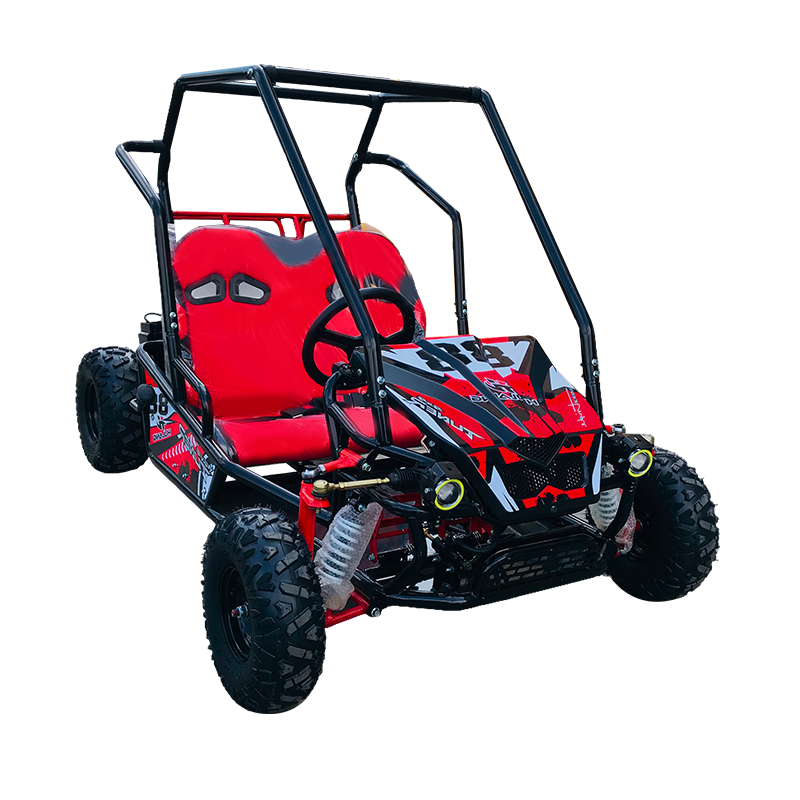
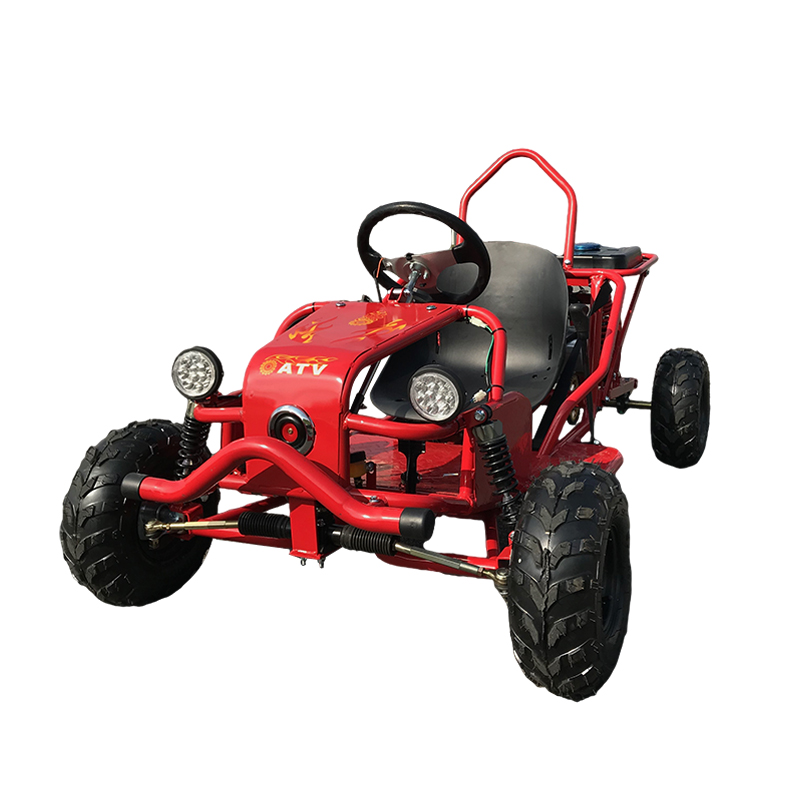
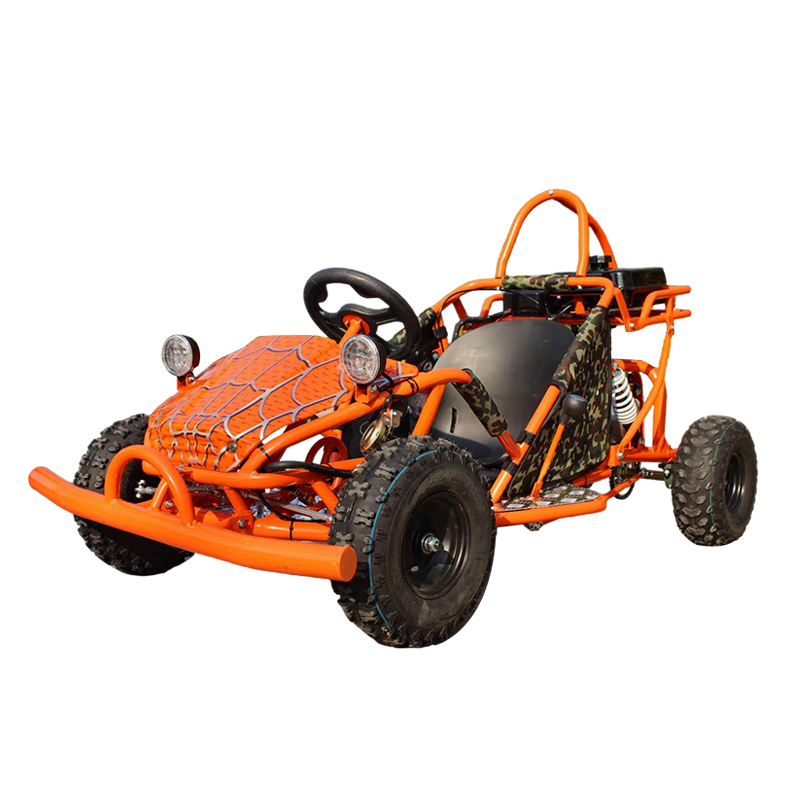
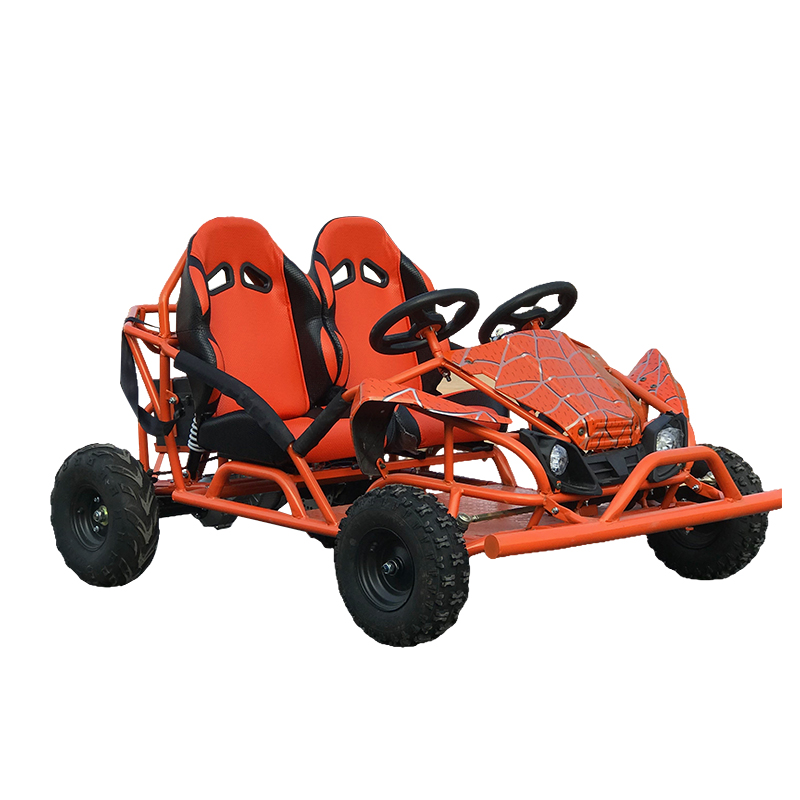
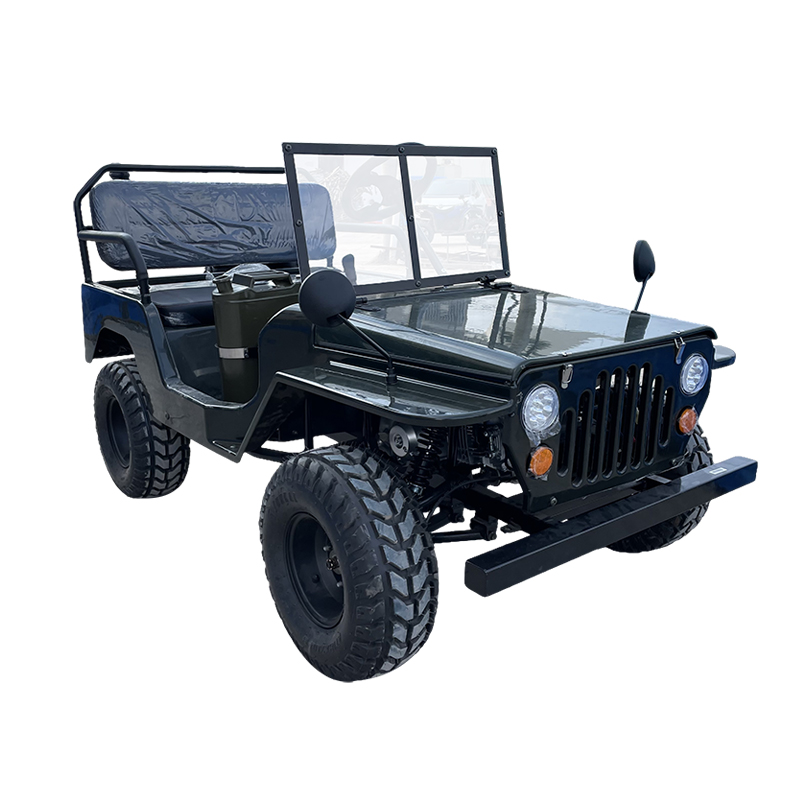
The design philosophy behind modern off-road karts directly fuels their enjoyment. Engineers prioritize resilience and performance over rough ground, incorporating long-travel suspension, protective chassis designs, and specialized tires that grip loose dirt and gravel. This focus creates a driving experience that is both physically engaging and mentally absorbing. Operators must constantly read the changing track surface, adjust their steering inputs, and manage power delivery, turning a simple drive into a rewarding skill-building exercise. The connection between driver, machine, and terrain is a unique attraction of off-road karting.
Beyond the individual experience, off-road karting is flourishing as a social activity. It has become a popular choice for group outings, corporate team-building events, and family gatherings. The format naturally encourages shared enjoyment and friendly competition. This social aspect is further reinforced by a growing community of regular participants. Enthusiasts often connect through local clubs, online forums, and organized social events at tracks, exchanging tips and fostering a sense of camaraderie around the sport.
Operators and the community maintain a strong emphasis on responsible enjoyment. Professional off-road karting facilities implement comprehensive safety protocols. These universally include mandatory safety briefings, the provision and enforcement of helmet use, and the implementation of age and size restrictions to ensure appropriate kart control. The karts themselves are commonly fitted with structural roll protection and harness systems. This structured approach to risk management is crucial for the activity's credibility and long-term acceptance, reassuring participants and observers alike.
The future development of off-road karting seems poised for consolidation and gradual innovation. The core of its appeal—accessible, adrenaline-tinged fun in an outdoor setting—appears resilient. We may see further diversification in track design, offering more varied landscapes and technical challenges. Additionally, the gradual exploration of electric powertrains in off-road karting could influence the sector, potentially appealing to venues with noise considerations or patrons interested in alternative technologies. The trajectory suggests off-road karting is solidifying its position not as a fleeting trend, but as a established fixture within the wider spectrum of recreational activities, valued for its unique blend of adventure, skill, and social engagement.