English
 Español
 عربى
عربى
The specialized vehicle that transforms snow-covered landscapes into accessible terrain is undergoing significant technological evolution. The modern snowmobile represents a sophisticated integration of engine technology, suspension engineering, and rider comfort features designed to deliver reliable performance in bad winter conditions. As recreational preferences shift and utility applications expand, snowmobile manufacturers continue to refine their products to meet the diverse needs of riders across snowbelt regions.
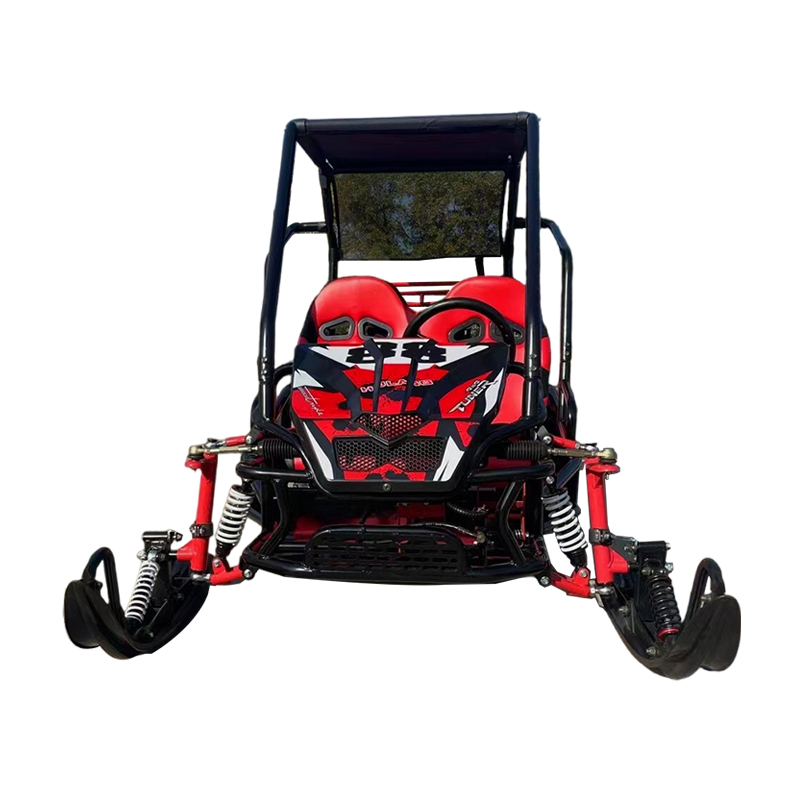
At the core of any snowmobile is the track system that propels the vehicle across snow, and this component has seen substantial engineering refinement. Modern tracks feature advanced rubber compounds and reinforcement materials that provide durability while maintaining the flexibility necessary for efficient operation. Lug designs have been optimized through computer modeling to deliver up to traction in varying snow conditions, from hard-packed trails to deep powder. Track length and width variations allow snowmobile models to be tailored for specific applications, with longer tracks providing flotation in deep snow and shorter tracks offering agility on groomed trails.
Suspension systems have evolved dramatically, transforming the snowmobile ride experience from the bone-jarring journeys of early models to the comfortable cruising of contemporary machines. Advanced linkage designs absorb terrain irregularities while maintaining track contact for consistent traction. Adjustable shock absorbers allow riders to tune suspension characteristics to their weight, riding style, and trail conditions. Increased suspension travel smooths rough trails and absorbs impacts that would have been punishing on older snowmobiles. These suspension advances reduce rider fatigue and extend the duration of comfortable travel.
Engine technology has progressed significantly, with modern snowmobile powerplants delivering impressive performance while meeting increasingly stringent emissions standards. Two-stroke engines, favored for their power-to-weight ratio, now incorporate direct fuel injection that improves efficiency and reduces emissions compared to carbureted predecessors. Four-stroke engines offer smooth power delivery and outstanding fuel economy for touring applications. Electric snowmobiles have begun to appear, offering instant torque, quiet operation, and zero emissions for environmentally sensitive areas. This diversity of powertrain options allows riders to select snowmobile configurations aligned with their priorities.
The snowmobile chassis has evolved to improve handling and rider comfort. Lightweight materials reduce overall vehicle weight, improving maneuverability and reducing the physical demands of riding. Ergonomic design positions controls intuitively and provides comfortable accommodations for riders of varying sizes. Narrow profiles allow aggressive leaning in corners while maintaining stability. Wind protection shields riders from the cold and wind blast that historically limited comfortable travel distance. These chassis refinements make modern snowmobiles more accessible to riders of varying experience levels.
Snowmobile evolution has been particularly notable in the touring segment, where rider comfort and long-distance capability receive priority attention. Heated seats and hand grips maintain comfort in subzero temperatures. Advanced windshields and fairings deflect cold air while reducing noise. Integrated luggage systems provide carrying capacity for extended trips. Rider forward seating positions reduce fatigue during long days in the saddle. These touring features expand the range of experiences available to snowmobile enthusiasts.
As winter recreation continues to hold an important place in northern cultures and economies, the snowmobile remains an important tool for both work and play in snow-covered regions. The ongoing refinement of these vehicles ensures that riders can access winter landscapes with greater comfort, safety, and environmental responsibility than ever before, preserving the tradition of snow travel while embracing the possibilities of modern technology.