English
 Español
 عربى
عربى
For decades, the distinctive sound of an engine over snow has signaled the presence of a snowmobile. This specialized vehicle, engineered for travel across snow and ice, serves as a vital tool for work, transportation, and recreation in cold-weather regions worldwide. The modern snowmobile has evolved from a basic utility conveyance into a sophisticated machine, balancing power, handling, comfort, and technology to meet the diverse demands of riders, from trail enthusiasts and backcountry explorers to wilderness professionals and rescuers.
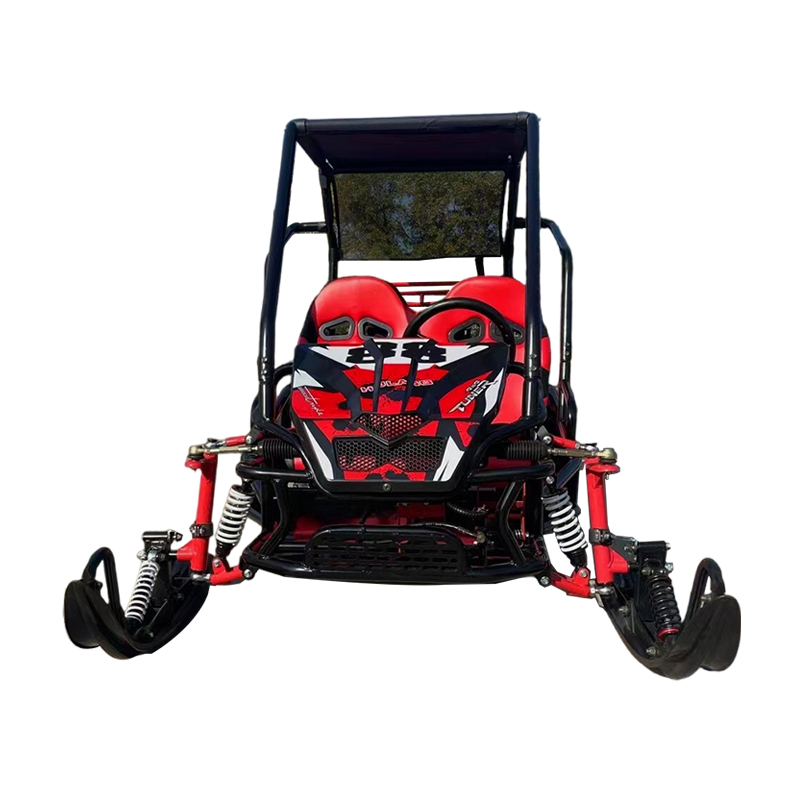
The core design of a snowmobile revolves around conquering snow. It employs a continuous rubber track at the rear, fitted with cleats for traction, which is driven by an engine through a series of gears and a drive chain or belt. At the front, a pair of skis provide steering and flotation. This combination allows a snowmobile to traverse deep snow where wheeled vehicles cannot go. The engine, typically a two-stroke or four-stroke gasoline powerplant, is the heart of the machine, with performance models boasting significant horsepower to climb steep slopes and achieve high speeds on packed trails. Modern engineering focuses on delivering this power smoothly and efficiently, with direct injection technology improving the performance and environmental profile of two-stroke engines commonly found in snowmobile designs.
The application spectrum of the snowmobile is broad, reflecting its unique capabilities. In recreational use, it is the centerpiece of a popular winter sport, with riders exploring vast networks of groomed trails, venturing into untracked powder in mountain settings, or participating in organized racing and endurance events. For many in remote northern communities, the snowmobile remains an essential mode of personal transportation during winter months, connecting homes, cabins, and hunting grounds. Commercially, snowmobile units are indispensable for utility purposes: park rangers use them for patrol, loggers for winter access, and search-and-rescue teams for reaching stranded individuals in snowy terrain.
Technological advancement has dramatically refined the snowmobile riding experience. Suspension systems have become highly sophisticated, with long-travel front A-arms and rear slide rail suspensions featuring adjustable shocks to absorb bumps and maintain control in rough conditions. Ergonomics are carefully studied, with adjustable handlebars, heated grips and thumb throttles, and well-contoured seats improving comfort on long rides. Furthermore, rider aids such as electric start, reverse gears, and digital gauges with GPS integration are now common. Some high-end models even feature sophisticated shock adjustment systems that can be fine-tuned from the handlebar, allowing the rider to adapt the snowmobile's handling to changing snow conditions instantly.
The development of the snowmobile is navigating paths toward enhanced sustainability, advanced safety, and deeper connectivity. The industry is actively exploring alternative powertrains, including fully electric snowmobile prototypes that offer quiet, emission-free operation. Safety innovations may include more advanced traction control and stability management systems, as well as integrated avalanche beacon compatibility. Connectivity will likely expand, with machine-to-machine communication for group riding and enhanced data logging for performance analysis. As climate patterns and user expectations evolve, the snowmobile will continue to adapt, ensuring its role as the definitive vehicle for unlocking the freedom and utility of the winter landscape.
The snowmobile represents a unique fusion of mechanical ingenuity and passion for the outdoors. It has transformed winter from a season of isolation into one of accessibility and adventure. From its utilitarian roots to its current status as a high-performance recreational platform, the snowmobile continues to capture the imagination of those who seek to explore, work, and play in the world of snow.