English
 Español
 عربى
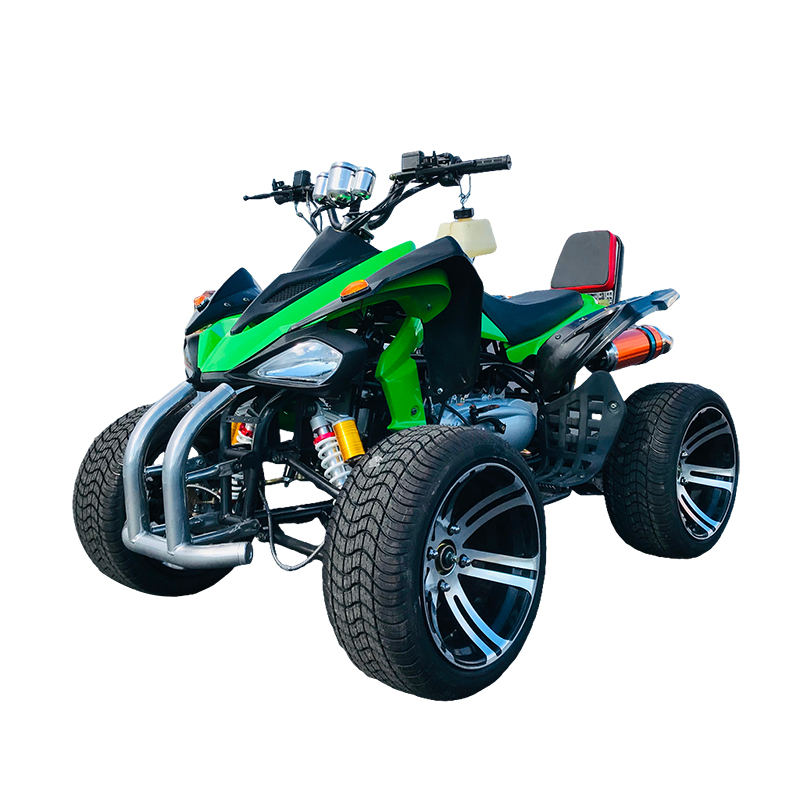
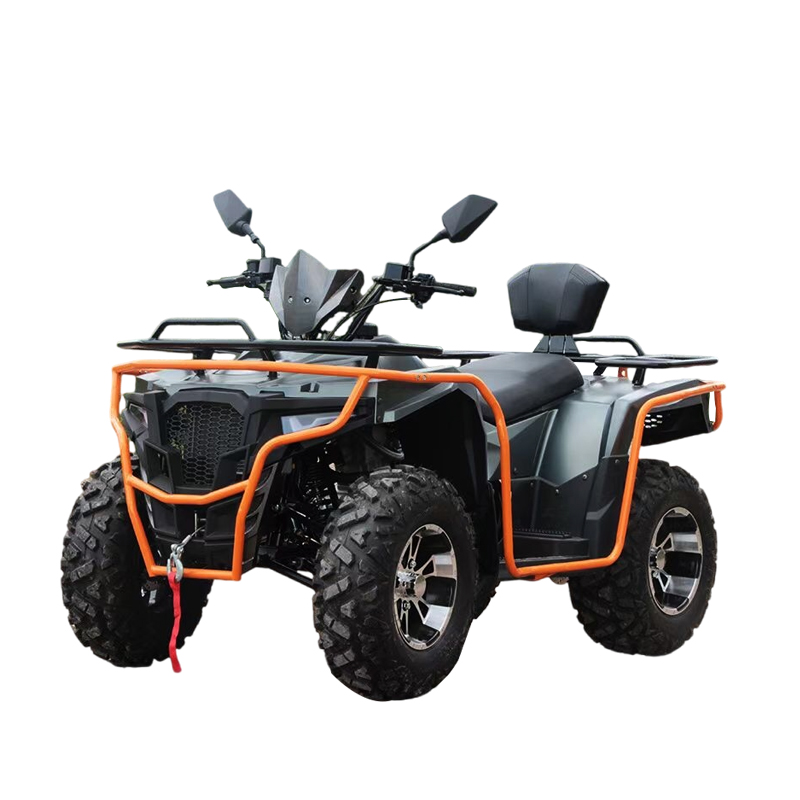
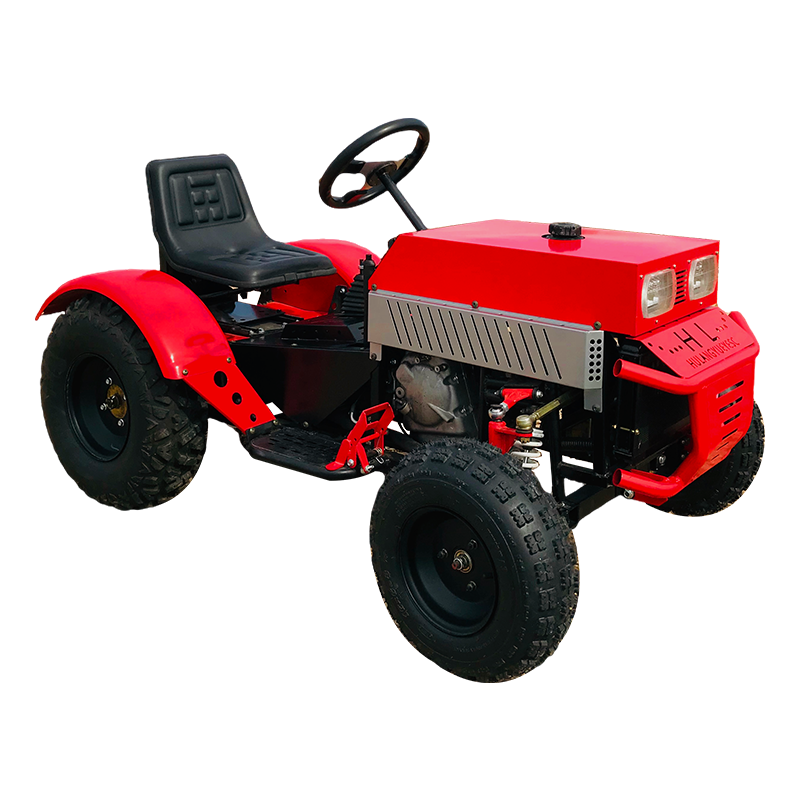
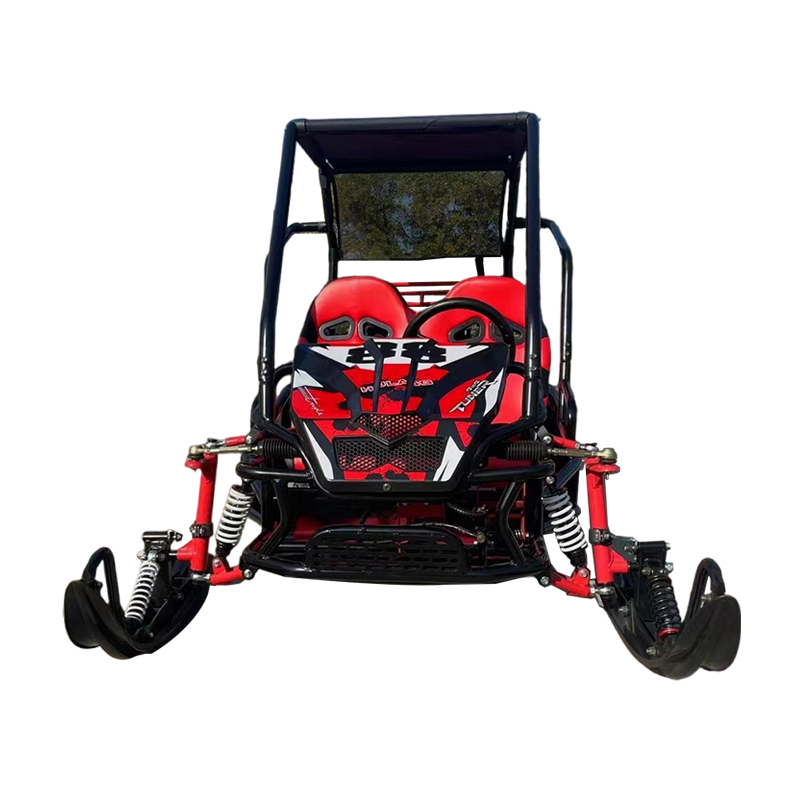
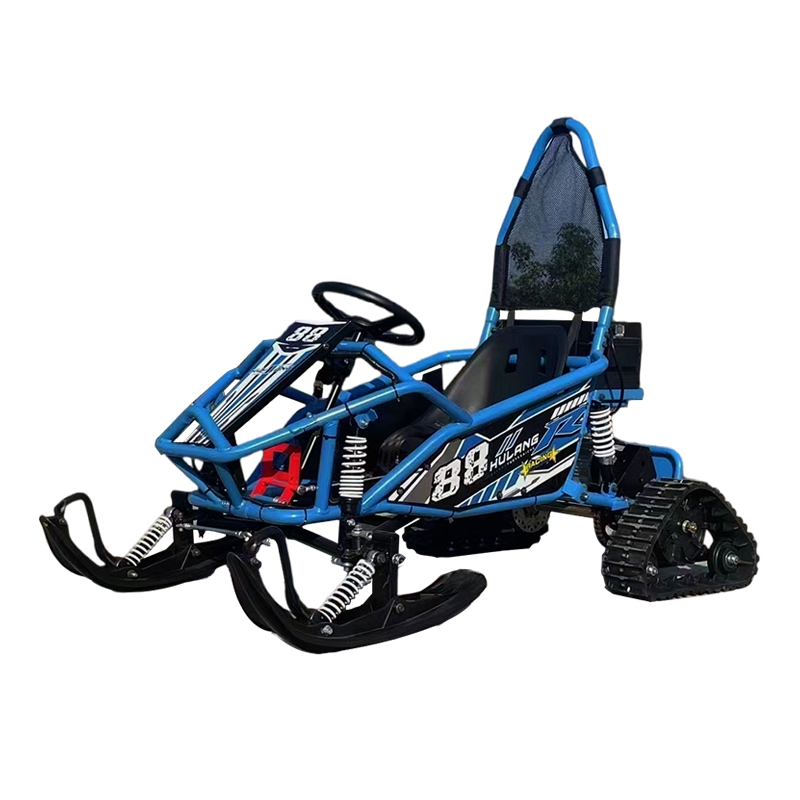
Off-road vehicles are used in a wide range of outdoor environments, including farms, forests, recreational trails, construction sites, and large private properties. Unlike standard road vehicles, these machines are developed to travel across uneven ground, loose soil, gravel, and other challenging surfaces. Their chassis structure, suspension arrangement, tire configuration, and power system all contribute to how they perform in different conditions. An Adult Off-Road Vehicle is generally developed with a larger frame, higher load capacity, and power specifications suited to adult operators.
Engine Power and Transmission Options
The engine is one of the main components determining an off-road vehicle's operating characteristics. Different models may use air-cooled or liquid-cooled engines, depending on their displacement and intended application.
Engine displacement is commonly measured in cubic centimeters (CC). Smaller engines may be suitable for general recreational riding, while larger displacement configurations can support applications that require greater output.
Transmission design also affects how power reaches the wheels. Common options include:
- Automatic Transmission: Simplifies speed control and is used in many recreational models.
- CVT Transmission: Uses variable pulley ratios to adjust power delivery according to operating conditions.
- Manual Transmission: Allows riders to select gears according to speed and terrain requirements.
An Adult Off-Road Vehicle may combine these transmission systems with different engine configurations to meet the needs of recreational users, agricultural operators, and utility equipment distributors.
Suspension Systems and Ground Contact
Uneven terrain creates continuous changes in wheel position and vehicle movement. The suspension system helps absorb impacts and allows the wheels to maintain contact with the ground.
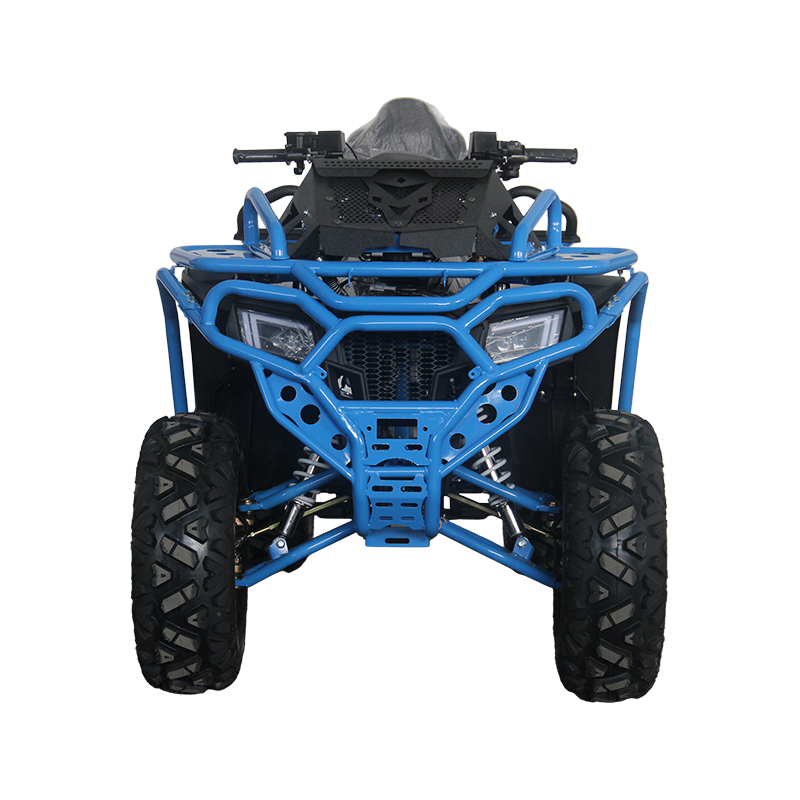
Independent suspension is used in many ATV designs. It allows each wheel to respond to surface irregularities with a degree of independent movement. This arrangement can support vehicle stability when traveling over uneven trails or rough ground.
Suspension components generally include:
- Front and rear shock absorbers
- Control arms
- Springs
- Suspension mounting brackets
- Wheel hubs and related connecting parts
The suspension layout is closely related to vehicle dimensions, wheel travel, and overall chassis geometry. Manufacturers need to coordinate these elements when developing vehicles for different terrain conditions.
Tire Design and Traction on Different Surfaces
Tires are another important part of off-road vehicle performance. Their tread patterns, rubber compounds, dimensions, and sidewall structures influence ground contact and traction.
Common off-road tire designs include deep-lug patterns for loose soil, block-style treads for mixed surfaces, and broader tread configurations for improved contact on certain terrain types.
The intended application determines which tire structure is appropriate. Agricultural users may require tires suited to fields and unpaved paths, while recreational models may use tread patterns developed for dirt trails and gravel surfaces.
For an Adult Off-Road Vehicle, tire dimensions also need to match the wheel assembly, suspension geometry, and vehicle weight. This relationship helps manufacturers develop coordinated vehicle configurations.
Customization Options for International Buyers
Product configuration is an important part of off-road vehicle development. Different customers may require variations in engine displacement, body colors, tire dimensions, seating arrangements, and cargo accessories.
OEM and ODM services can support customized appearance, branding, packaging, and selected vehicle configurations. Manufacturers may also offer different combinations of suspension components, racks, lighting arrangements, and body panels according to the intended market.
When discussing an Adult Off-Road Vehicle project, buyers can define the target application and required vehicle configuration first. This helps manufacturers match the engine, transmission, chassis, and accessory options to the intended product range.