English
 Español
 عربى
Frame Fabrication and Weld Consistency
The frame of a gasoline four-wheeler carries the engine, the suspension mounts, and the payload, and it does so while absorbing impacts from rocks, roots, and potholes. Steel tube construction is standard, but tube diameter, wall thickness, and joint design vary widely across models. A frame designed for light recreational use carries different tube specs than one built for utility work with a loaded rear rack.
Fabrication discipline shows in the welding. Jig-based welding holds frame geometry stable across a production run, so suspension mounts stay square and steering geometry stays within tolerance. Without a jig, frames drift, and that drift appears as uneven tire wear or vague steering on the finished machine. Buyers can ask how frames are fixtured and whether frame dimensions are checked before the engine and suspension go on.
Engine Mounting and Vibration Isolation
The engine in a gasoline four-wheeler is a significant source of vibration, and how it mounts to the frame determines how much of that vibration reaches the rider and the surrounding components. Rubber isolators between the engine and the frame reduce vibration transfer, but they must be tuned to the engine's operating characteristics. Isolators that are too soft allow excessive movement under load; ones that are too stiff pass vibration through.
Engine selection itself follows the application. Air-cooled single-cylinder engines dominate the category for their simplicity and weight, while some utility-focused models use larger displacement or liquid cooling for sustained load work. Buyers can ask how the factory validates engine mounting under load and whether the isolator specification is matched to the engine model or carried over from a different platform.
Suspension Geometry and Load Handling
Suspension on a gasoline four-wheeler determines both ride comfort and load stability. Independent suspension at all four corners offers better wheel articulation on uneven ground, while solid axle designs carry heavier loads with simpler construction. Travel figures matter, but so does the relationship between spring rate and the machine's typical payload.
A machine set up for recreational riding carries softer springs than one built for utility work with a loaded rack. Buyers serving mixed channels can ask whether the factory offers suspension tuning options or builds to a single specification. Suppliers who understand the difference can advise on spring rates and damping settings rather than quoting a standard model against every inquiry.
Braking System Integration
Braking on a gasoline four-wheeler involves both front and rear circuits, and how they are integrated shapes stopping behavior on loose surfaces. Linked braking systems apply some front brake force when the rear pedal is pressed, which helps on gravel and mud. Separate circuits give the operator more control but demand more skill.
Assembly line checks on brake function should cover lever feel, pedal travel, and fluid integrity. A factory that verifies brake performance on a test rig before shipping catches defects that a visual inspection would miss.
Application Profiles Across Channels
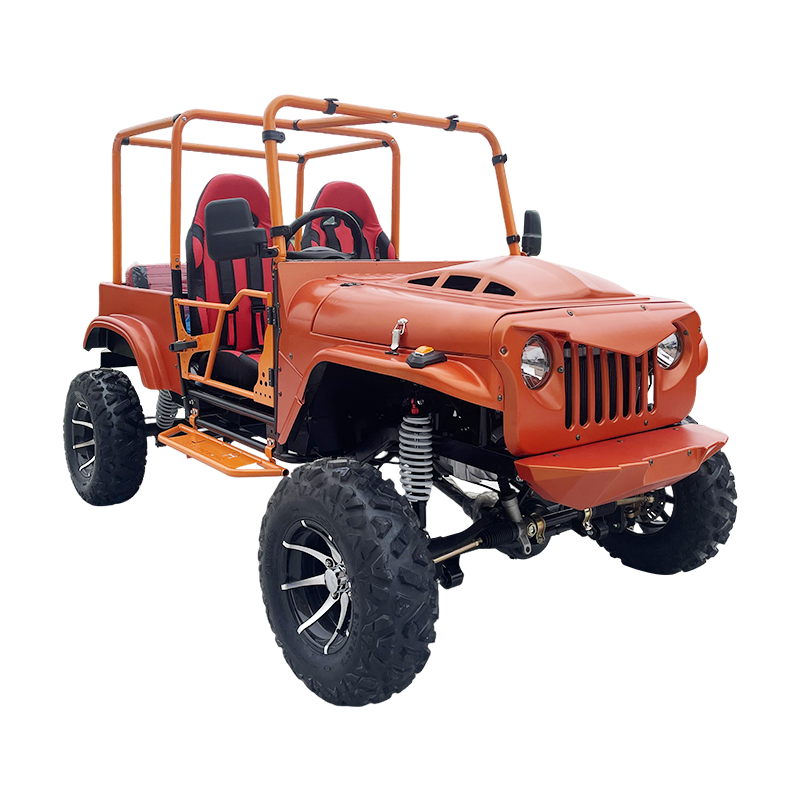
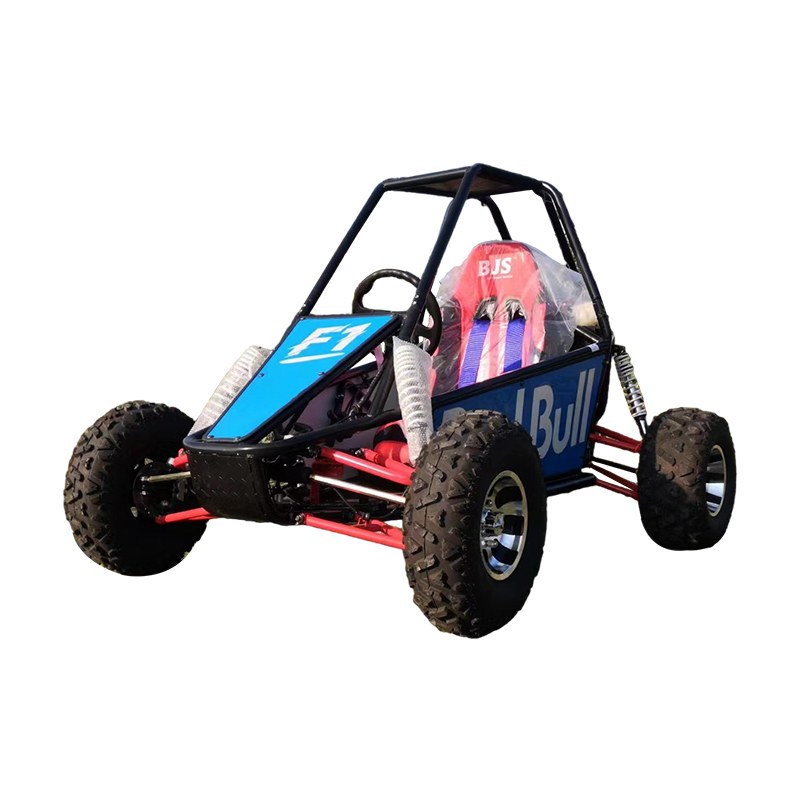
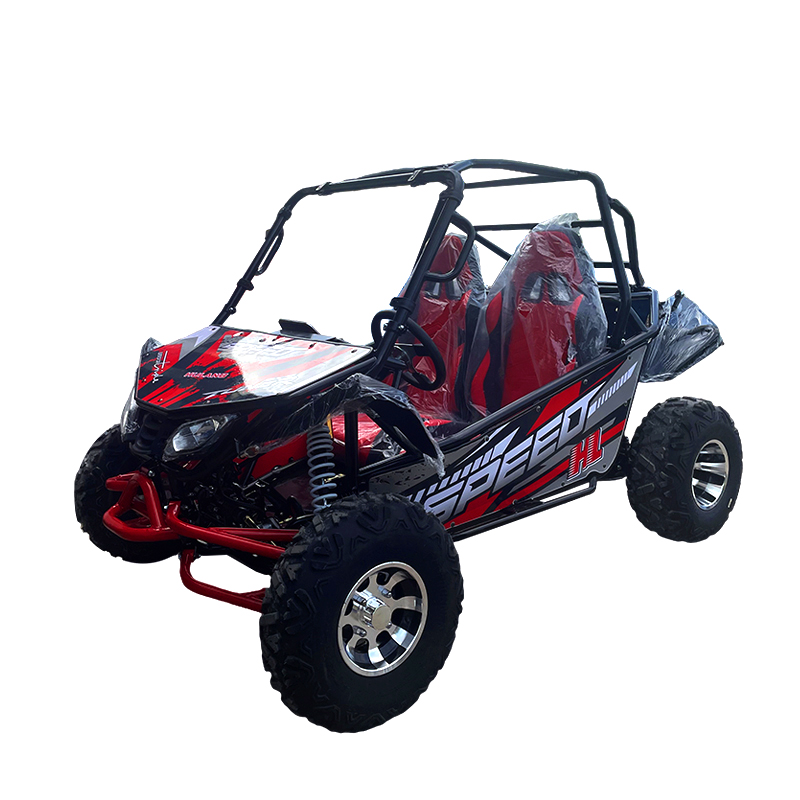
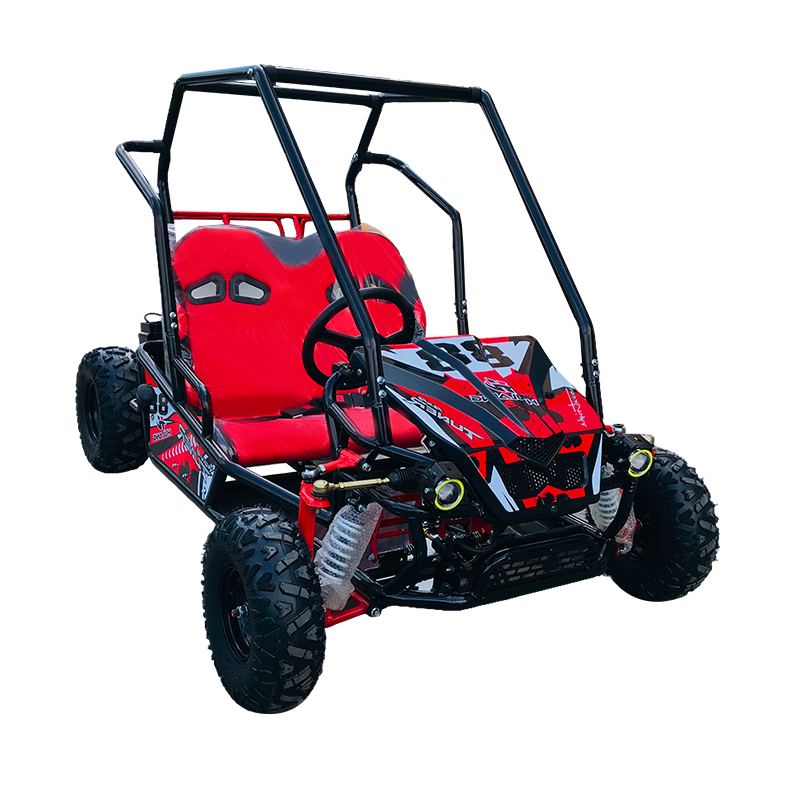
Gasoline four-wheelers serve agriculture for fence-line checks and feed delivery, work sites for material movement, and recreational channels for trail riding. Each application asks something different. Agricultural users prioritize low-end torque and rack capacity. Work site users value durability and simple service access. Recreational channels lean toward suspension comfort and throttle response.
These profiles should shape the specification before production begins. A unit built for farm work may carry a different rack design and final drive than one aimed at trail riders. Suppliers who can map applications to configurations reduce the risk of mismatched machines reaching end users.