English
 Español
 عربى
عربى
Not Quite One Thing or the Other
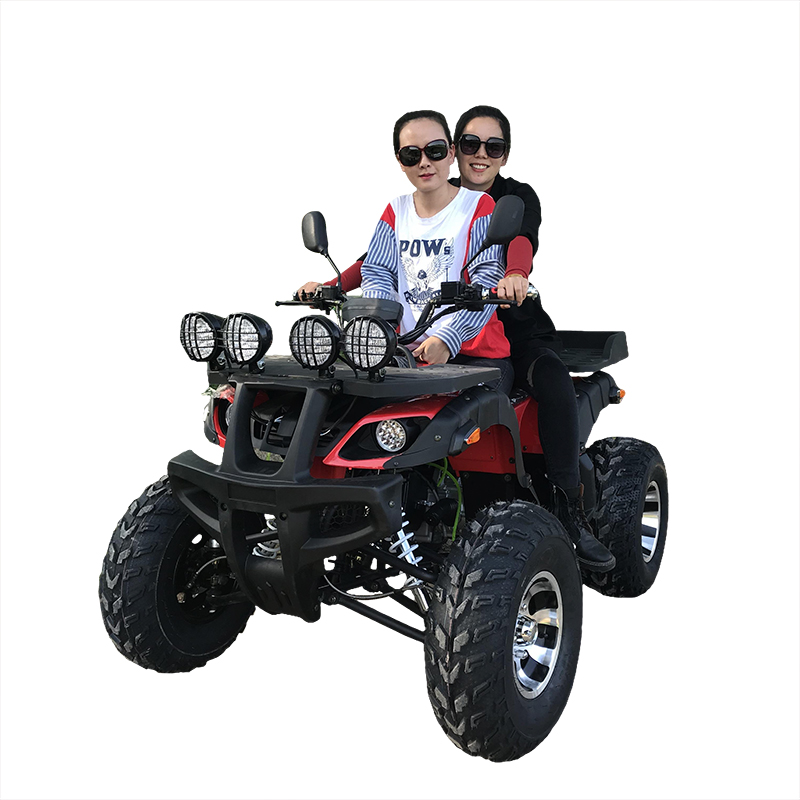
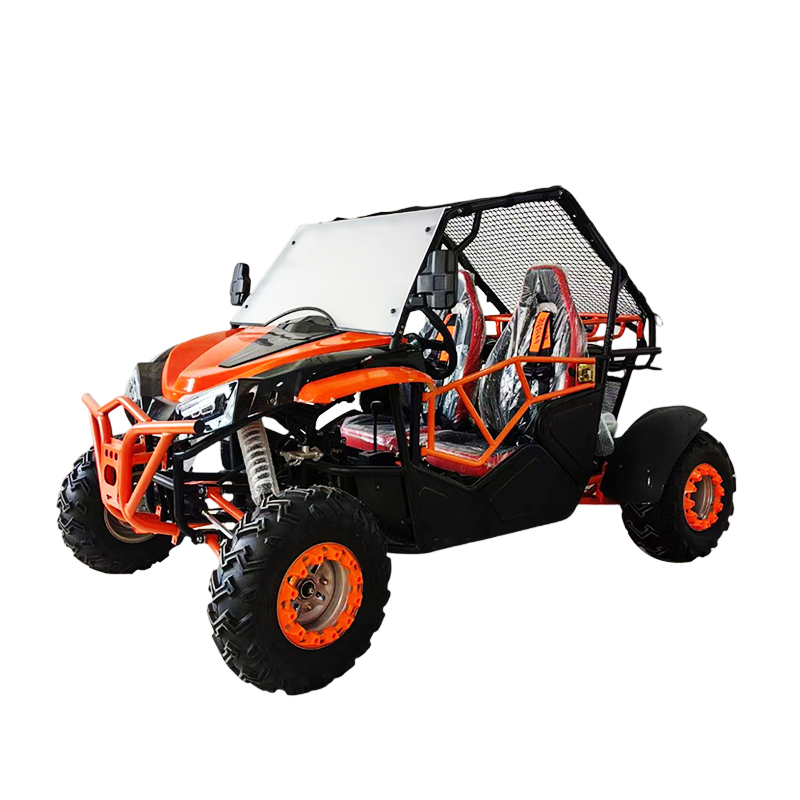
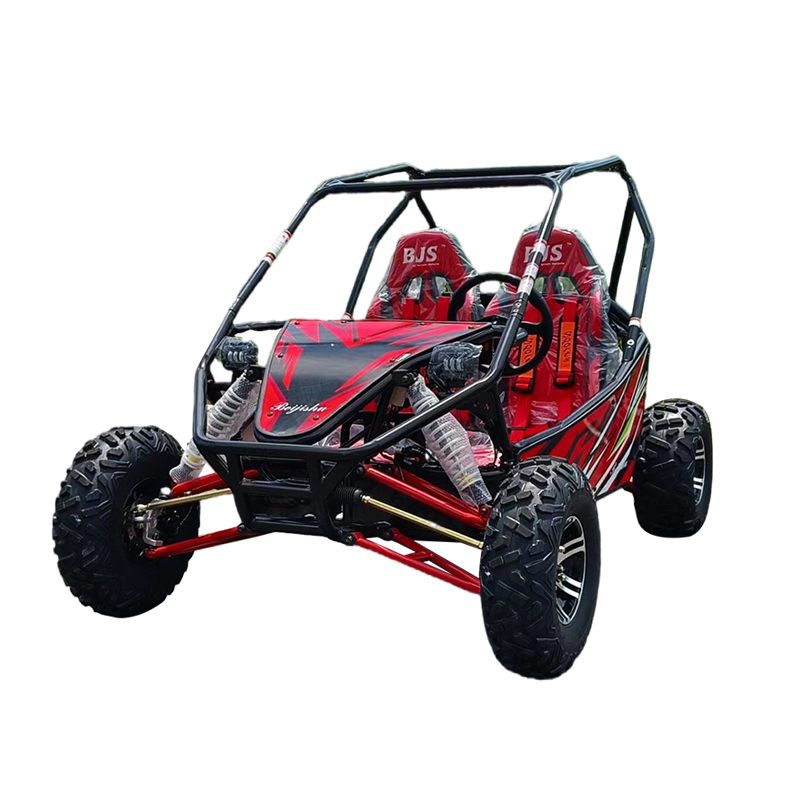
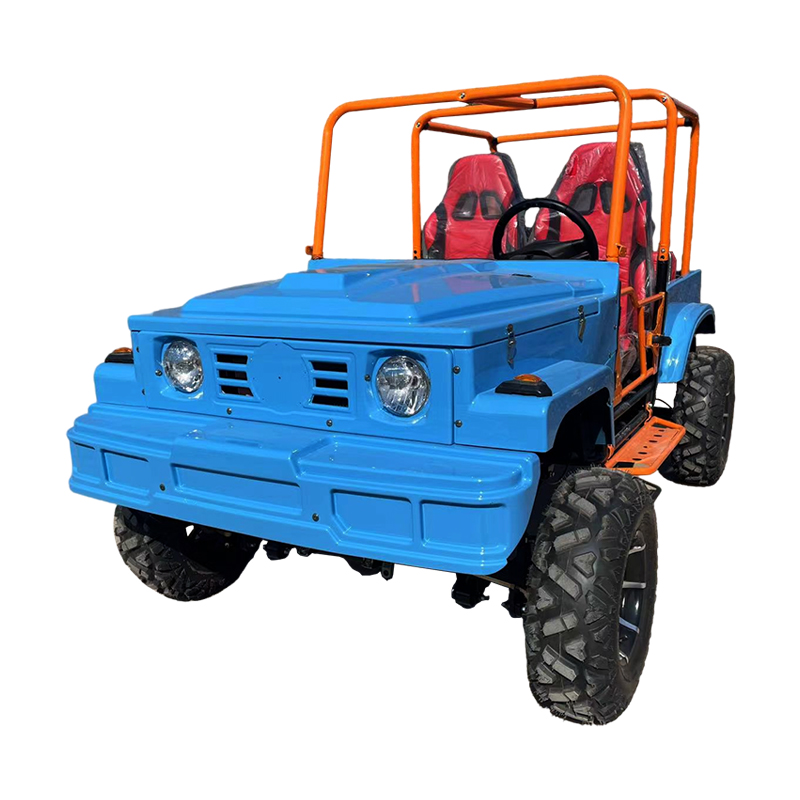
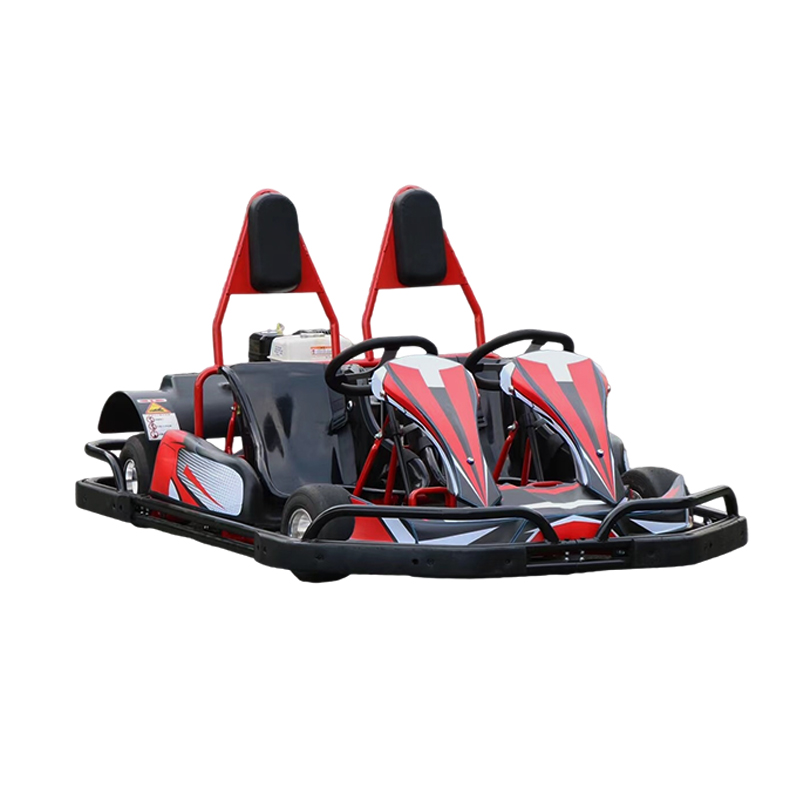
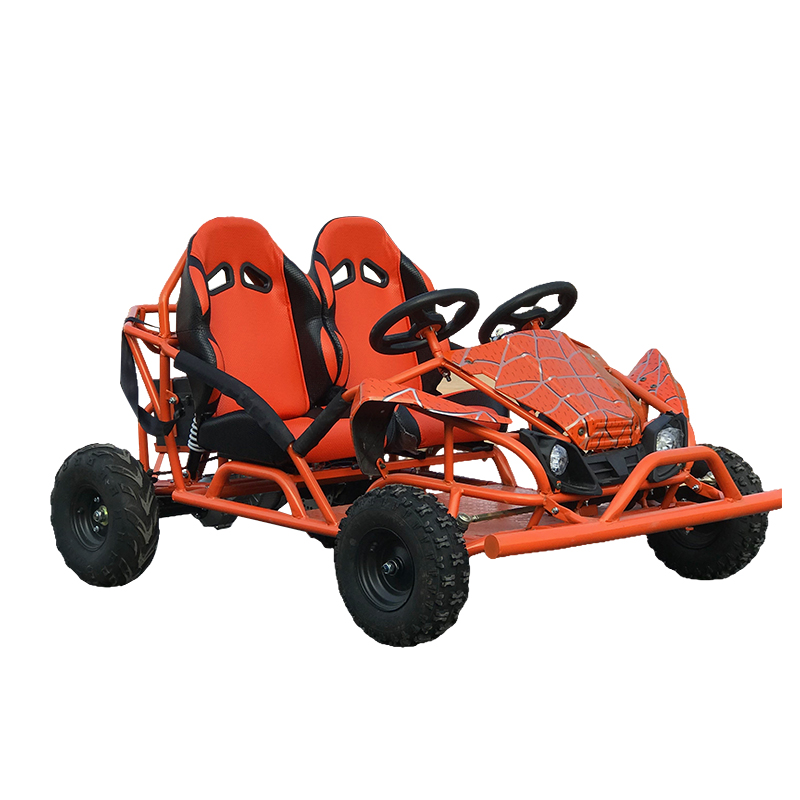
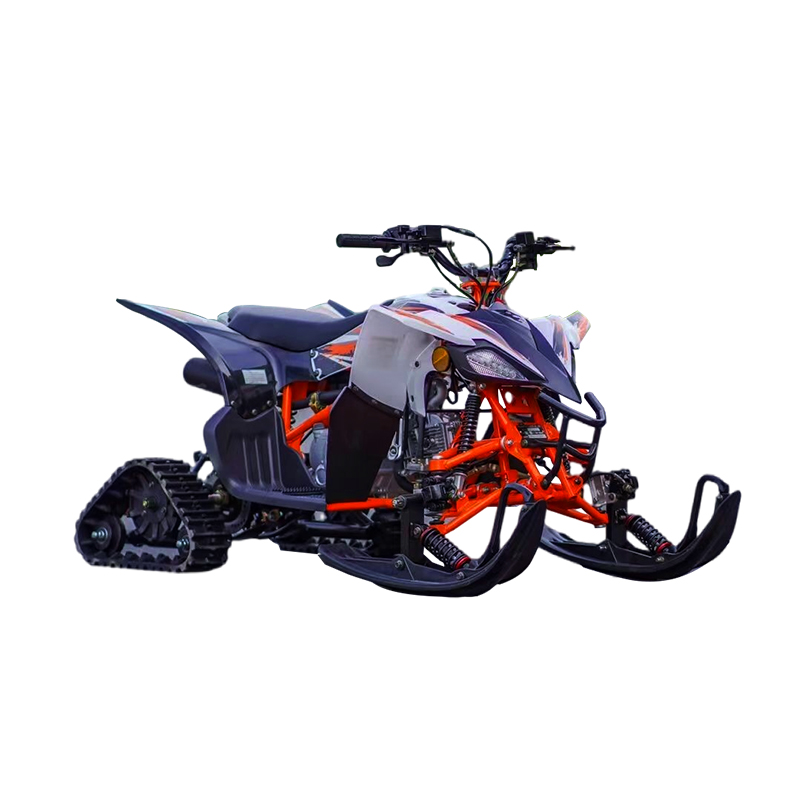
The name does a lot of the explaining. A beach buggy motorcycle borrows its riding position and controls from a standard motorcycle, then swaps in oversized, low-pressure tires designed to float across loose sand instead of digging into it. Some versions push closer to a three-wheeled configuration, trading a bit of speed for stability on uneven terrain. Others stay two-wheeled, closer to a dirt bike with dramatically wider rubber.
Buyers new to the category sometimes assume it's just a dirt bike with different tires bolted on. It's a bit more involved than that—frame geometry, suspension travel, and weight distribution all get adjusted to keep the thing upright when the ground underneath is constantly shifting.
Who's Actually Buying These
The customer base splits a few directions. Coastal resorts and tour operators account for a decent chunk of demand, using fleets of these for guided rides along shorelines or dune areas. Rental operations near beach towns are another steady segment—tourists want a novelty experience for an afternoon, and a beach buggy motorcycle delivers that without requiring the operator to maintain a full ATV fleet.
There's also a smaller but persistent group of private enthusiasts, riders who've discovered the category through social media clips and want one for personal use. That segment tends to care more about styling and ride feel than fleet durability, which shapes how some manufacturers split their product lines.
Frame and Drivetrain Basics
A few technical points come up repeatedly when distributors compare suppliers:
- Tire width and tread pattern, since sand performance depends heavily on both
- Engine displacement, usually modest given the terrain doesn't call for high speed
- Frame reinforcement around the rear axle, an area under constant stress on soft ground
- Seat height and rider positioning, which affects control at slower, sand-appropriate speeds
None of these specs matter in isolation. A tour operator running daily rentals needs something that tolerates repeated hard use, while a private buyer might prioritize a lighter frame and quicker handling instead.
Where Demand Is Actually Coming From
Coastal regions in Southeast Asia, parts of the Middle East, and stretches of the U.S. Gulf Coast show up repeatedly in supplier conversations. It makes sense—wherever there's a tourism economy built around beaches or dunes, there's a market for equipment that turns sand into a rideable surface rather than an obstacle. A handful of distributors have also reported interest from off-road recreation parks that added dedicated sand tracks specifically to accommodate this kind of vehicle.
Interest doesn't seem confined to any single region for long, though. As tour operators in one area post footage or reviews, nearby markets tend to pick up the trend within a season or two—it spreads roughly the way most tourism-driven equipment does.
Sourcing Notes for OEM and ODM Clients
Factories producing this category are generally open to spec adjustments—tire sizing, color schemes, seat configurations—particularly for buyers placing fleet-sized orders for rental or tour operations. Smaller customization requests, like branded decals for a specific resort, tend to be handled without much friction. Larger structural changes, unsurprisingly, take longer and usually require more lead time to coordinate.
Common Questions
Does it require a special license to operate?
This depends entirely on regional regulations and the specific vehicle classification, so it's worth checking local rules before finalizing an order.
Can seat and handlebar configurations be adjusted for different rider sizes?
Many manufacturers offer some adjustability, particularly for fleet orders serving a range of rider heights.
Is it suitable for terrain beyond sand?
Some Beach Buggy Motorcycle models handle light off-road conditions reasonably well, though performance varies depending on tire choice and frame setup.