English
 Español
 عربى
عربى
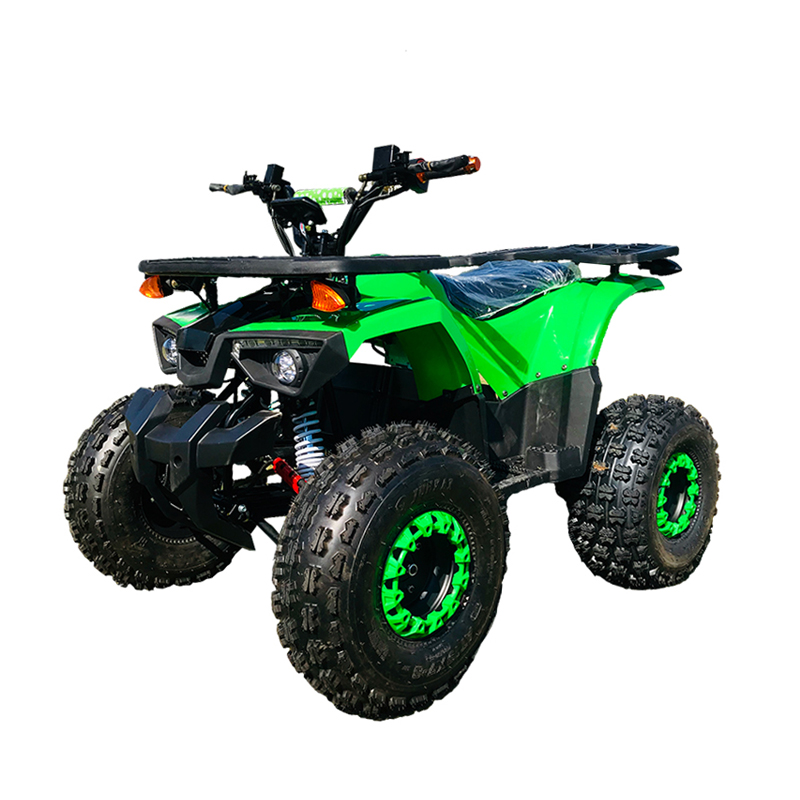
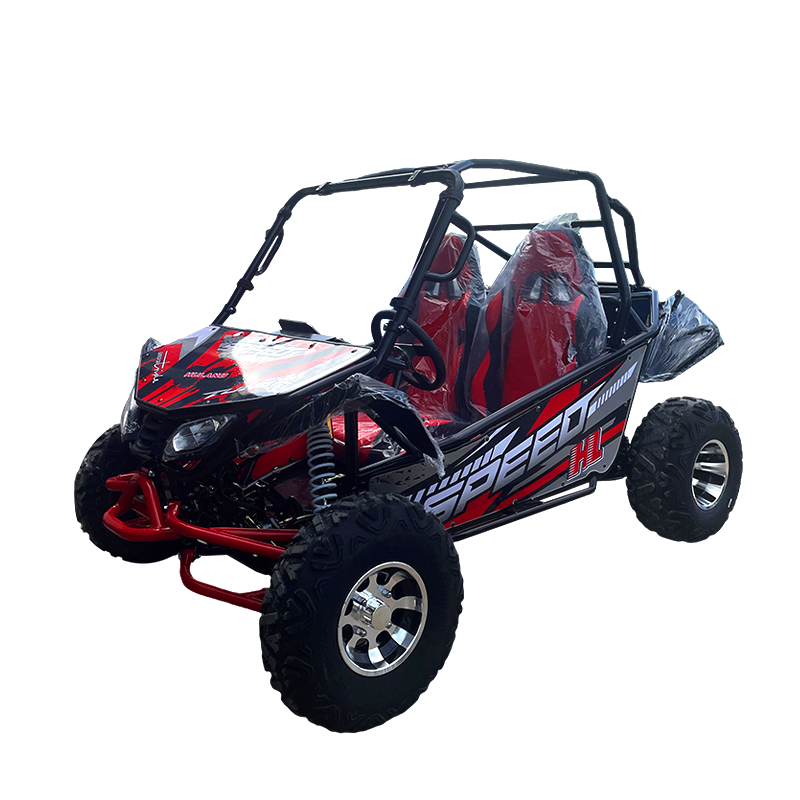
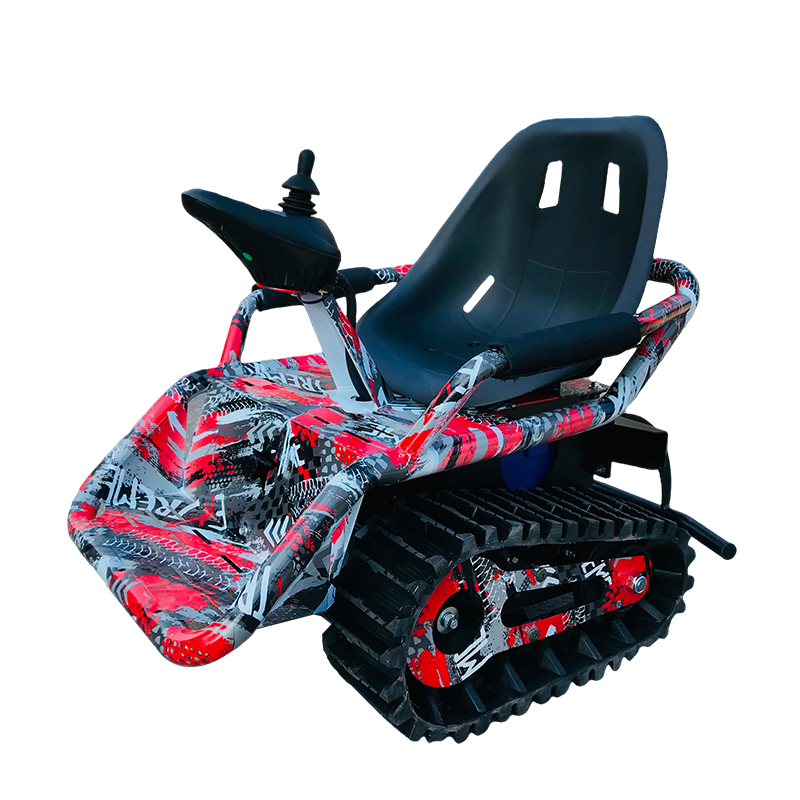
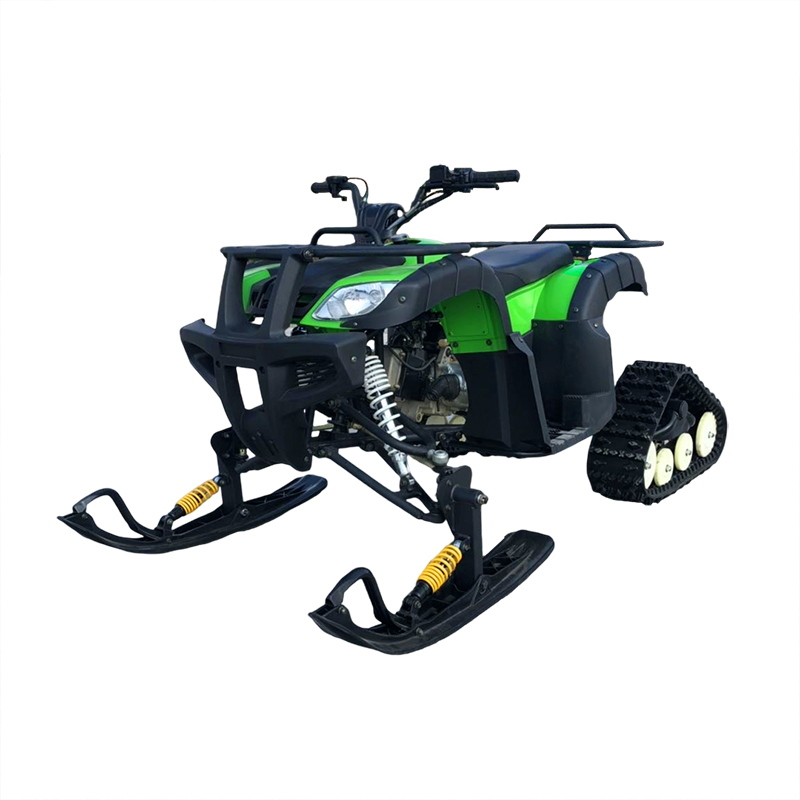
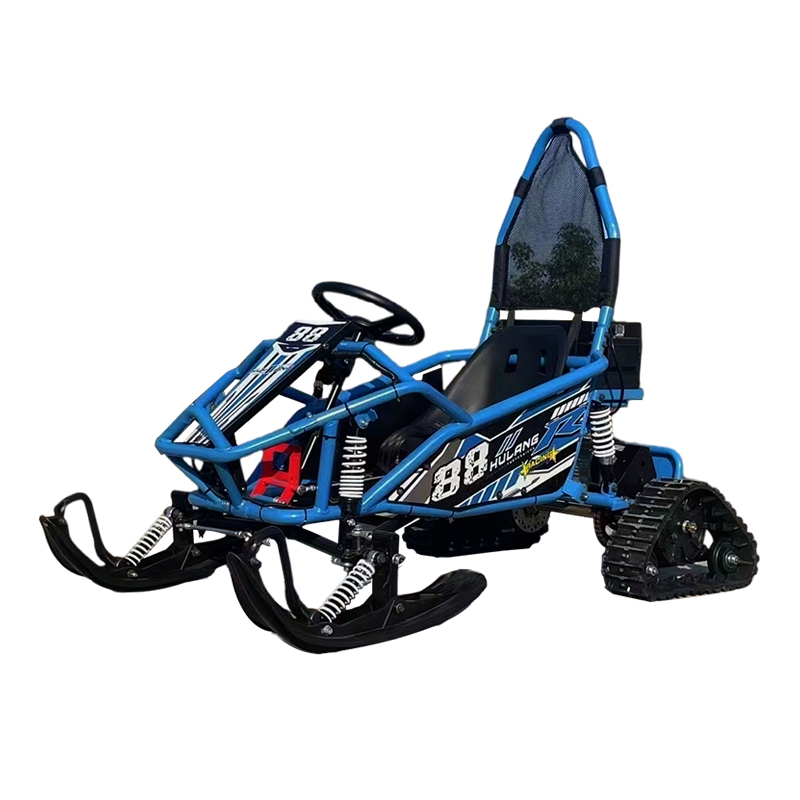
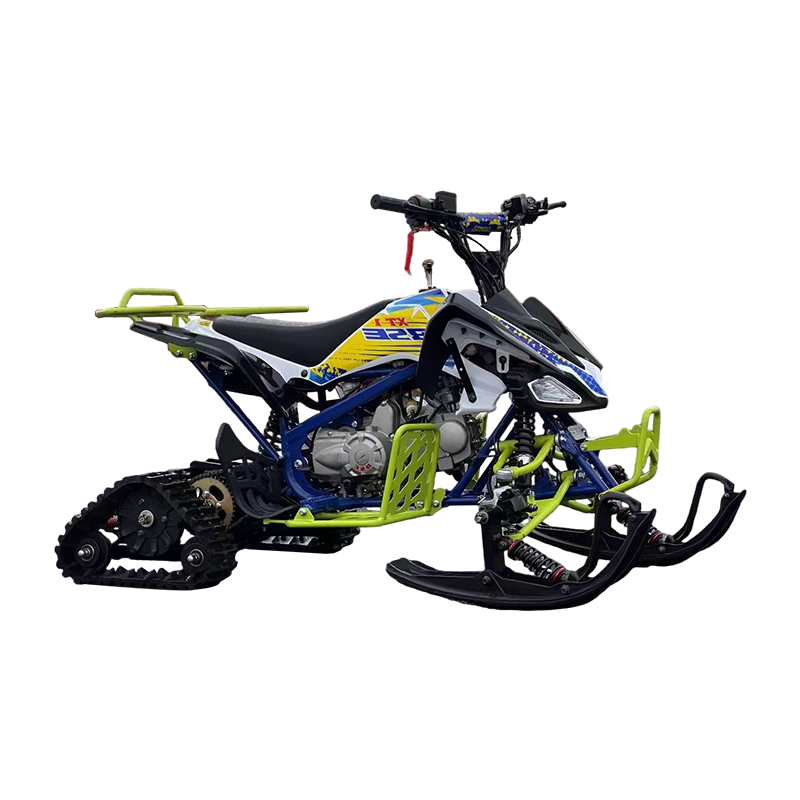
The international landscape for all-terrain vehicles (ATVs) is witnessing a notable and sustained rise in the presence of products known as the Chinese ATV. These versatile machines, built to handle a wide spectrum of off-road conditions, are increasingly recognized as practical options for utility, agricultural, and recreational use across diverse continents. The growing acceptance of the Chinese ATV underscores a significant shift in global manufacturing perception, highlighting advancements in quality, performance, and overall value proposition.
A primary driver behind the expanding footprint of the Chinese ATV is continuous improvement in engineering and production standards. Manufacturers have focused intently on enhancing core components. Contemporary models of the Chinese ATV frequently boast reliable liquid-cooled engines, durable continuously variable transmissions (CVTs), and robust suspension systems designed for better load handling and rider comfort over uneven terrain. Investment in research and development has led to more resilient chassis construction and improved electrical systems, contributing to the dependable performance that defines the modern Chinese ATV.
The design philosophy for many Chinese ATV models demonstrates a keen understanding of end-user needs across different markets. Ergonomic considerations, such as adjustable seating and intuitive control layouts, are common. Functional accessories like integrated winches, enhanced cargo racks, and comprehensive lighting packages are often available, making a Chinese ATV a adaptable tool for tasks ranging from farm work and property maintenance to trail exploration. This focus on utility, combined with competitive pricing, positions the Chinese ATV as an accessible entry point into motorized off-road capability for both individual consumers and commercial operations.
Market accessibility is a cornerstone of the Chinese ATV strategy. By offering a compelling balance between capability and cost, these vehicles have found strong demand in regions with developing infrastructure, including parts of Southeast Asia, Africa, and South America. In these markets, the Chinese ATV serves as a vital utility vehicle for transportation and labor. Simultaneously, in more mature markets, the Chinese ATV is carving out a niche as a value-oriented choice for recreational riding, hunting, and as a fleet vehicle for industries like landscaping or security. A growing global network of distributors supports this expansion, improving parts availability and after-sales service.
The evolution of the Chinese ATV also reflects broader trends in technology and environmental consideration. Newer generations of the Chinese ATV are incorporating electronic fuel injection for smoother operation and better fuel efficiency. There is a noticeable exploration into electric powertrain options, aligning with worldwide moves towards electrification. These advancements signal that the Chinese ATV is not static but is progressively integrating features that appeal to a more technologically aware and environmentally conscious buyer segment.
The trajectory for the Chinese ATV appears focused on consolidation and further refinement. Key areas for development include advancing ride quality through predominant suspension tuning, increasing the use of corrosion-resistant materials for longer vehicle life, and enhancing overall fit and finish. As brand recognition builds and product reliability is demonstrated over time, the Chinese ATV is poised to further solidify its position as a mainstream and respected category within the global ATV marketplace, offering capable and dependable off-road solutions to a broad international audience.