English
 Español
 عربى
عربى
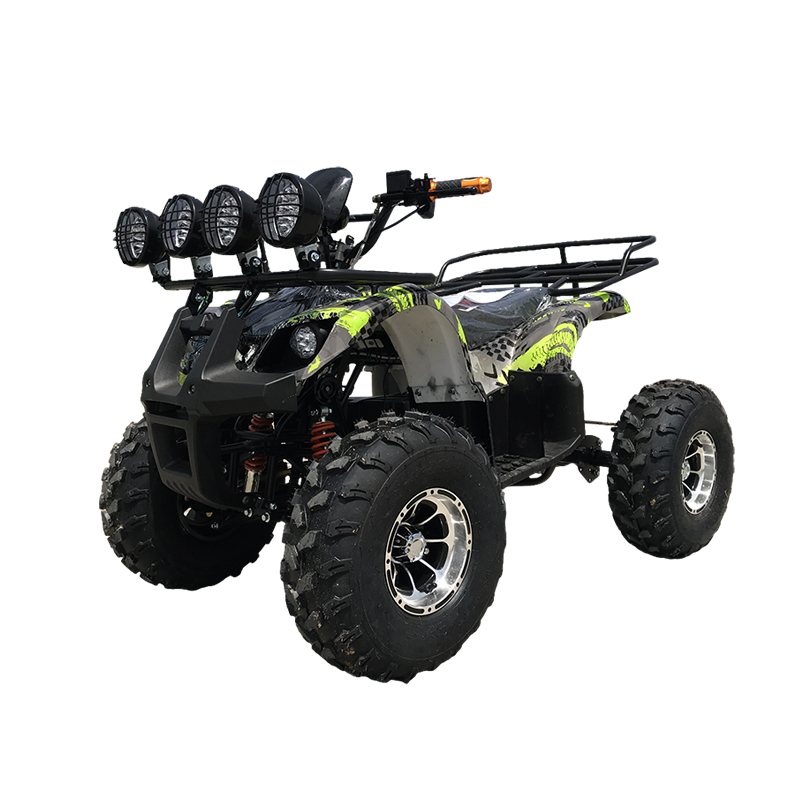
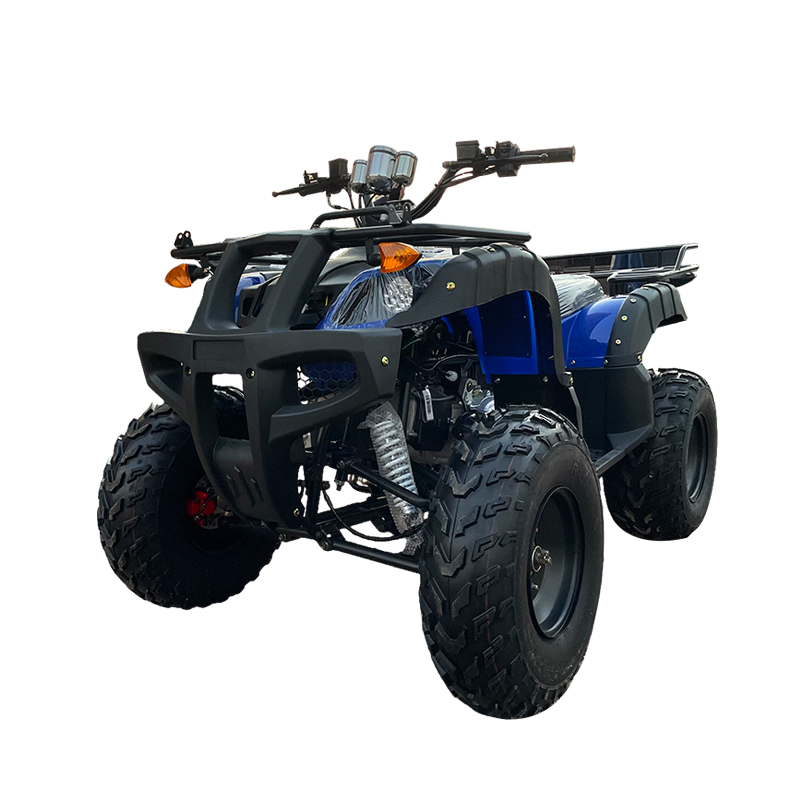
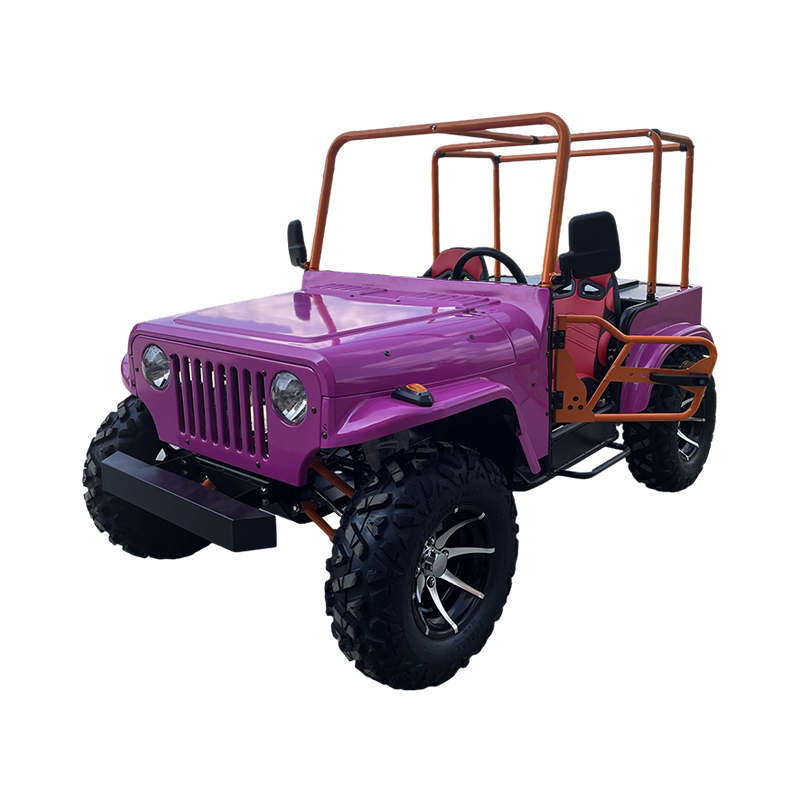
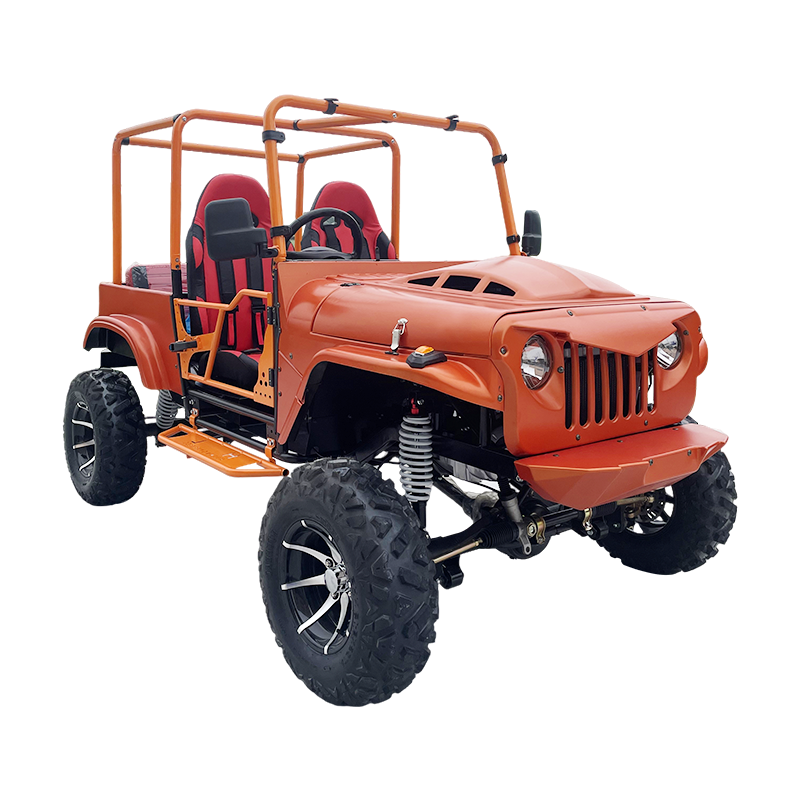
The sound of small engines and the sight of brightly colored miniatures navigating paved circuits are becoming increasingly common, signaling the growing popularity of the children's kart. This scaled-down, entry-level motorsport vehicle is more than a simple toy; it serves as a foundational platform introducing young enthusiasts to the fundamentals of driving, mechanical basics, and competitive racing. The carefully engineered children's kart provides a controlled and engaging environment where skills, safety awareness, and passion for automotive sports can develop from an early age.
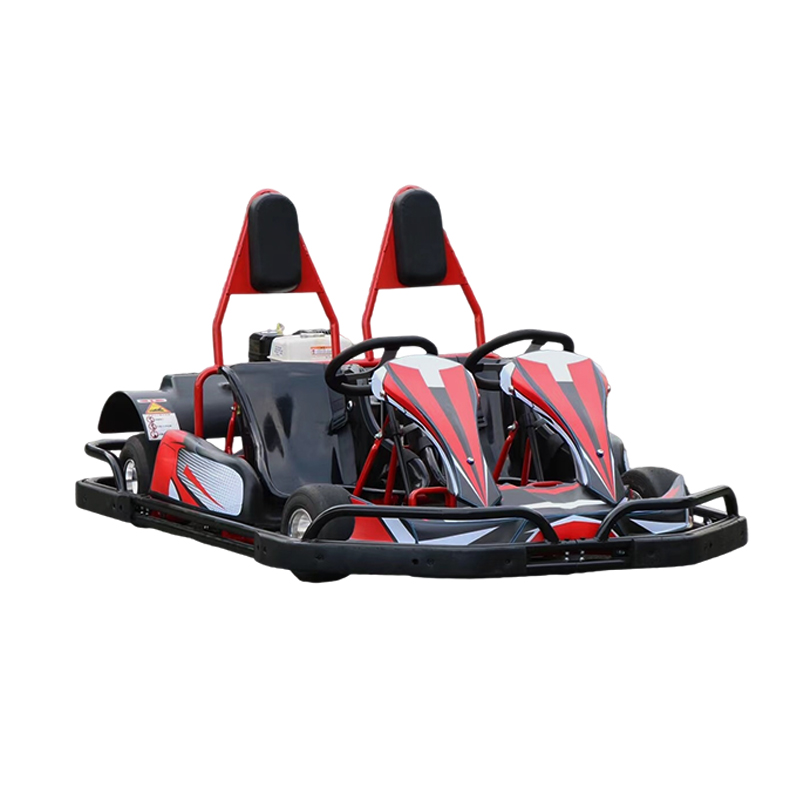
A modern children's kart is designed with a clear focus on safety and adaptability. Unlike full-scale racing karts, a children's kart is built to precise dimensions suitable for younger drivers, typically featuring a lower seat height, a reinforced tubular steel frame, and a governed engine that limits speed according to the child's age and experience level. The powertrain of a children's kart is often a four-stroke engine, known for its reliability and manageable power delivery. Essential safety components, such as a full racing seat, a multi-point harness, and effective brake systems, are standard, ensuring protection while the young driver learns vehicle control.
The introductory role of the children's kart in motorsport cannot be understated. It serves as the real step into a structured racing environment. Operating a children's kart teaches fundamental concepts like steering input, braking points, throttle control, and the racing line. Beyond driving technique, involvement with a children's kart often introduces young participants and their families to basic mechanical understanding, such as checking tire pressure, maintaining chain tension, and general pre-race inspections. This hands-on aspect fosters responsibility and a deeper connection to the sport.
The community and competitive structure surrounding the children's kart are integral to its appeal. Local and regional karting clubs organize specific race series and practice days dedicated to junior categories. These events provide a formal yet supportive setting where children can experience competition, learn sportsmanship, and build camaraderie with peers who share their interest. For many professional racing drivers, their career trajectory began with a children's kart, highlighting its importance as a proven talent development pathway. The structured progression from a beginner-level children's kart to faster, more advanced junior categories offers clear milestones for aspiring racers.
Market availability for the children's kart has expanded, with options ranging from ready-to-race packages to more basic recreational models. This accessibility allows families to enter the sport at various commitment levels. Manufacturers and retailers typically offer the children's kart in different size classes, corresponding to a child's age and height, ensuring a proper and comfortable fit that is crucial for both safety and effective learning. The growth of dedicated indoor and outdoor karting facilities has also lowered the barrier to entry, providing a venue where a child can experience a children's kart without the family needing to initially purchase one.
The evolution of the children's kart continues to emphasize safety, accessibility, and skill development. Trends include the exploration of electric powertrains for a children's kart, offering quiet, zero-emission operation with instant torque, suitable for indoor facilities and noise-sensitive locations. There is also a focus on even more adjustable chassis and seating to accommodate growing children safely. As a gateway to the wider world of motorsport, the children's kart remains a vital tool, nurturing the next generation of drivers, engineers, and motorsport fans by turning early curiosity into a structured, educational, and thrilling pursuit.