English
 Español
 عربى
عربى
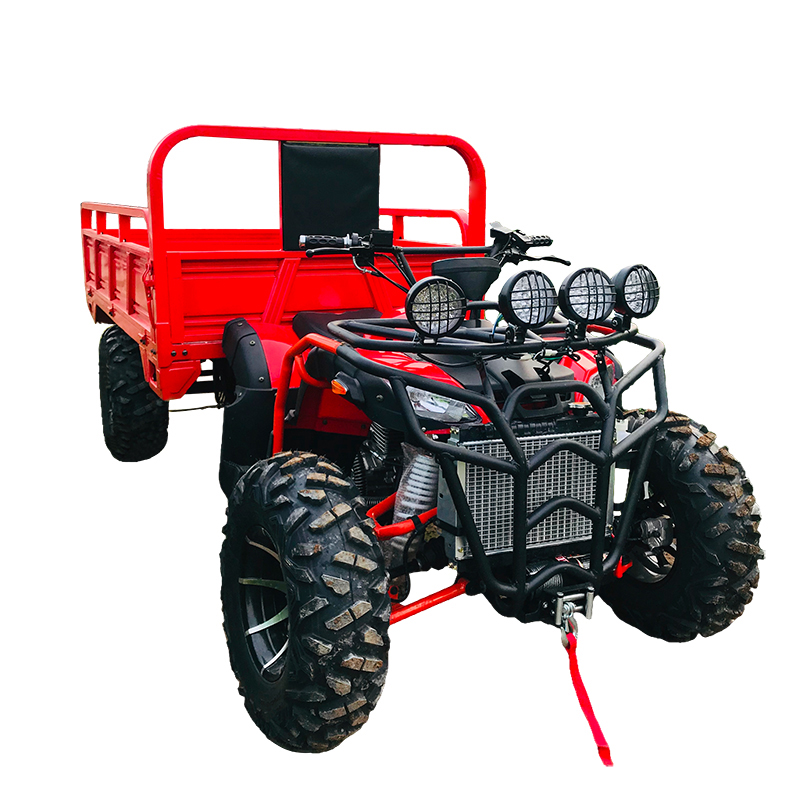
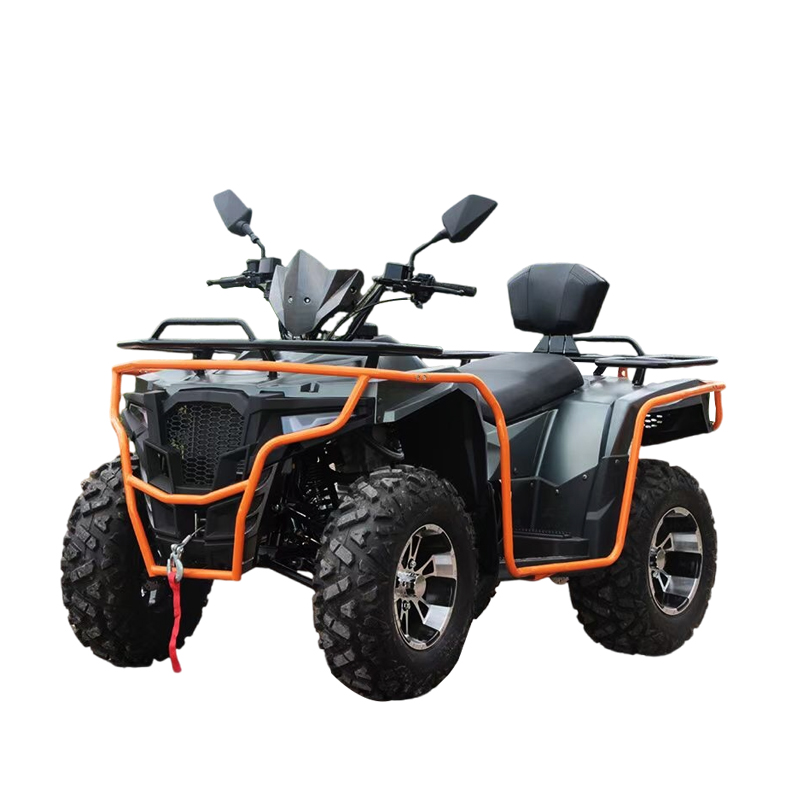
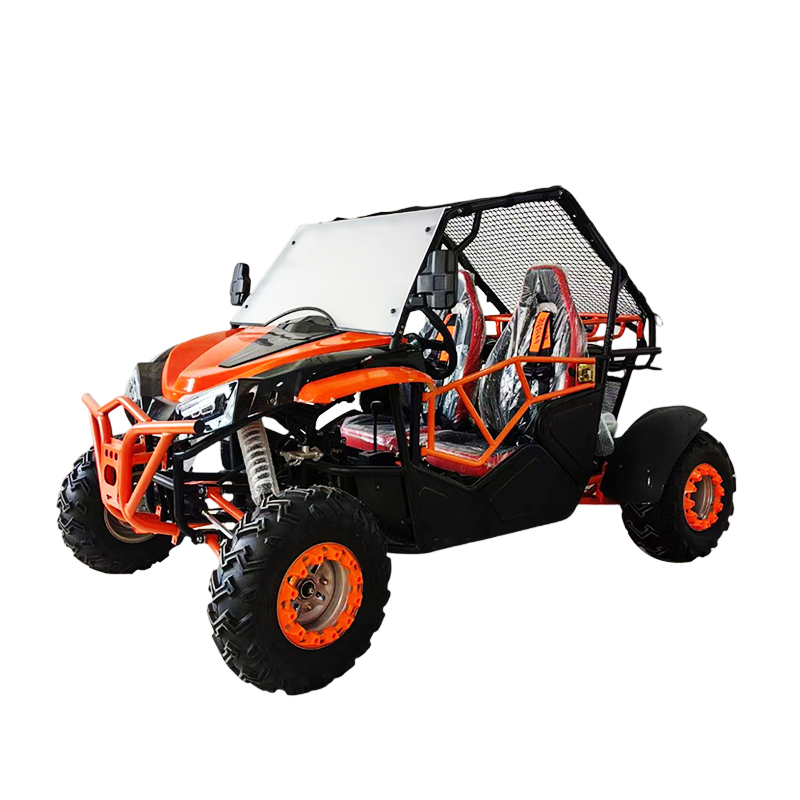
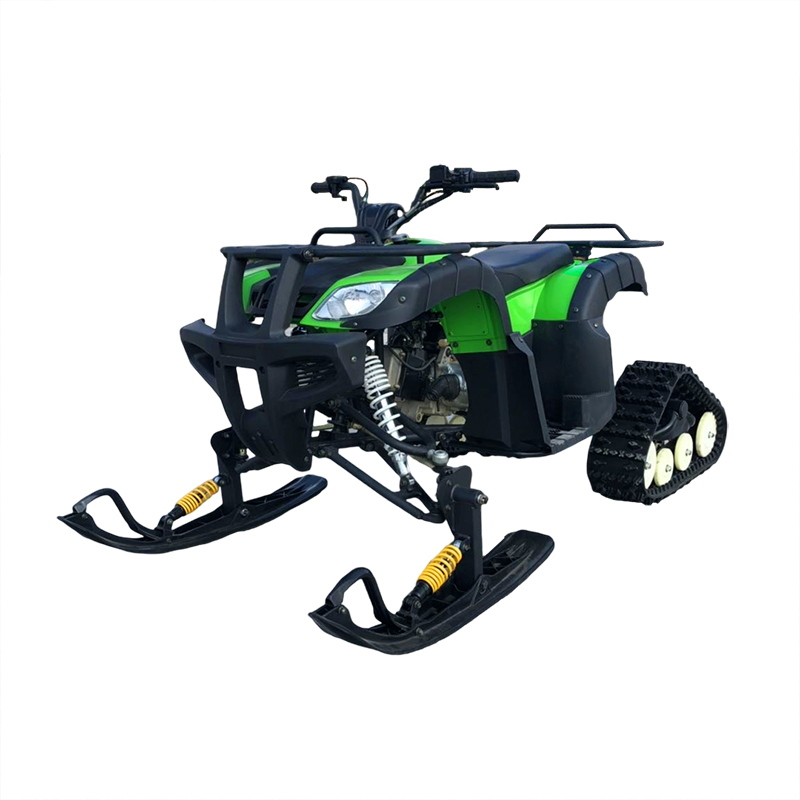
The landscape for Chinese ATVs is undergoing a significant period of adjustment and innovation. Industry analysts report a shifting demand pattern, where traditional markets present challenges while new opportunities steadily emerge. This evolution is prompting a strategic rethink among key players, focusing on technological upgrades and market diversification to ensure sustainable growth.
For years, the appeal of Chinese ATVs in international markets was closely tied to their competitive pricing. However, recent global economic fluctuations and changes in trade policies have impacted this dynamic. Some overseas markets have seen a moderation in the volume of entry-level vehicle imports. This situation has underscored the necessity for the sector to move beyond competing solely on cost. In response, there is a pronounced push towards enhancing the fundamental value proposition of these vehicles. Manufacturers are channeling resources into refining core components such as engines, transmissions, and chassis systems. The goal is to produce Chinese ATVs that deliver noticeably improved reliability, longer service life, and more consistent performance under various conditions, thereby building a stronger reputation for quality.
Concurrently, the domestic market for these versatile machines is displaying promising signs of depth. Within China, the application of ATVs is broadening. Beyond their established roles in agricultural support, land management, and security patrols, a growing consumer segment is adopting them for recreational purposes. This includes outdoor exploration, trail riding, and nature tourism. This trend is encouraging producers to design models that cater specifically to leisure users, featuring more comfortable ergonomics, advanced suspension for smoother rides, and aesthetically pleasing designs. This dual focus on utility and recreation is helping to stabilize and expand the home customer base.
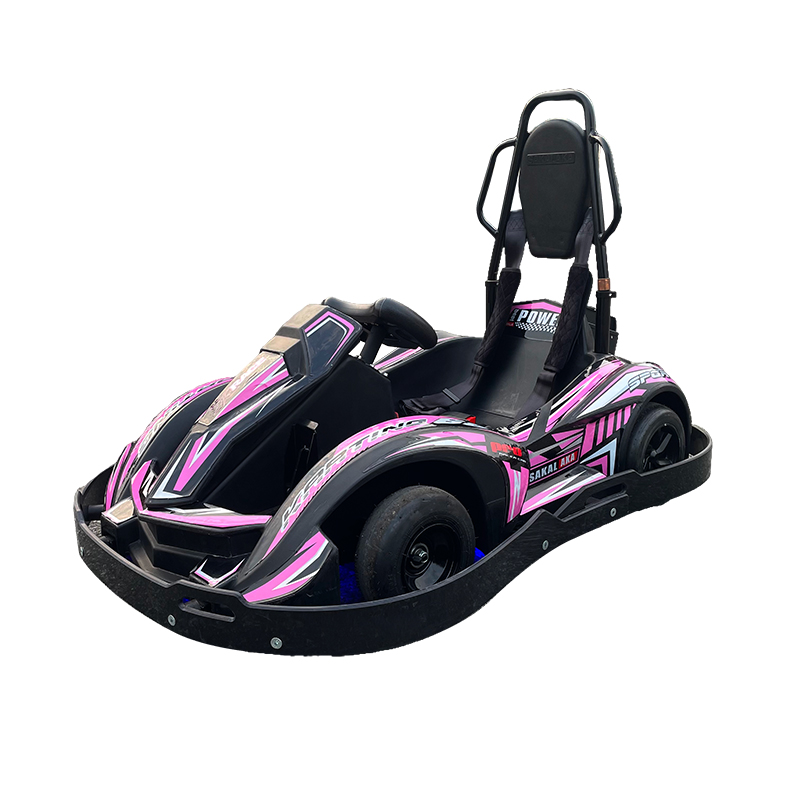
Technological integration is becoming a clear differentiator in the development of new Chinese ATV models. Features that were once considered premium are now increasingly common. These include digital instrumentation, improved lighting systems, and more sophisticated fuel-injection technology. Furthermore, the industry is actively exploring alternative powertrains. Prototypes and initial production runs of electric-powered Chinese ATVs are being tested, offering quieter operation and reduced emissions. This shift not only aligns with broader environmental trends but also opens potential new markets with stricter noise regulations or sustainability goals.
The regulatory environment surrounding the use of these vehicles is also gradually maturing. Discussions and pilot programs regarding standardized safety certifications, operator guidelines, and designated riding areas are becoming more frequent. While a uniform national framework is still in development, these steps indicate a move towards a more structured and formalized ecosystem for ATV usage. Such developments are generally viewed as positive for the long-term health of the industry, as they promote responsible use and can enhance public perception.
The current phase for the Chinese ATV sector is defined by strategic adaptation. By addressing challenges in traditional export channels through quality and technology upgrades, while simultaneously cultivating a more diverse domestic and recreational market, the industry is laying the groundwork for its next chapter. The evolving narrative is no longer just about quantity and cost, but increasingly about performance, specialization, and sustainable market development. The coming years will likely see Chinese ATVs further solidify their position through innovation and a refined understanding of global and local consumer needs.