English
 Español
 عربى
عربى
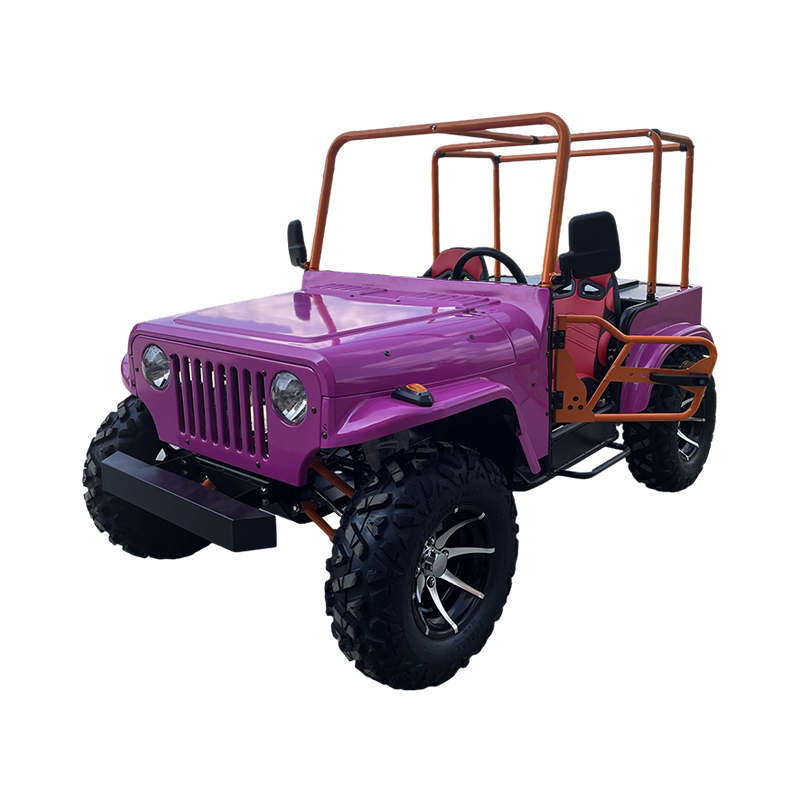
The distinctive silhouette and rugged character of vintage off-road vehicles continue to captivate a dedicated global following, with the Retro Jeep standing as a prominent icon within this enthusiast sphere. This term broadly encompasses earlier models, particularly those embodying the classic, utilitarian design language that defined the brand for decades. The sustained passion for the Retro Jeep is not merely about nostalgia; it represents an appreciation for mechanical simplicity, vehicular heritage, and a distinctive style that contrasts with modern automotive trends. This enduring interest supports a vibrant culture of restoration, customization, and community events centered on these historic vehicles.
When enthusiasts refer to a Retro Jeep, they are often pointing to models produced from the 1940s through the 1980s and early 1990s. Key examples include the Willys MB and CJ series, which established the foundational open-body, four-wheel-drive template. The classic Jeep Cherokee (XJ) from the 1980s and the Jeep Wrangler (YJ and early TJ) models are also frequently celebrated as Retro Jeep icons, representing later evolutions that retained a recognizable, boxy, and functional aesthetic. These vehicles are prized for their straightforward engineering, with solid axles, leaf-spring suspensions (in earlier models), and bodies that owners can easily modify or repair. The design of a Retro Jeep is characterized by flat body panels, round headlights (on many models), and a purposeful lack of ornamentation that appeals to purists and customizers alike.
The culture surrounding the Retro Jeep is rich and active. It is fueled by a vast network of specialty parts suppliers who manufacture reproduction components, performance upgrades, and restoration kits. Online forums and social media groups dedicated to the Retro Jeep facilitate the exchange of technical knowledge, restoration stories, and sourcing advice. Enthusiast gatherings, such as off-road trail rides, car shows, and "Jeep Jamborees," often feature rows of meticulously restored or tastefully modified Retro Jeep vehicles, where owners share their passion and craftsmanship. This community aspect is a powerful force in preserving these vehicles and their history.
The process of owning and maintaining a Retro Jeep typically involves hands-on involvement. Many owners undertake full or partial restorations, sourcing period-correct parts or integrating modern drivetrains and amenities while preserving the classic exterior look—a practice known as "restomodding." The relative simplicity of older Retro Jeep models makes them appealing projects for amateur and professional mechanics. The goal for many is not to create a showroom-superb museum piece, but to build a capable, reliable, and personalized vehicle that honors the spirit of the original while being usable for adventure.
The legacy of the Retro Jeep appears secure. Its timeless design ensures ongoing relevance, and the robust aftermarket support system guarantees that parts and expertise will remain available. While modern Jeeps incorporate advanced technology and comfort, they consciously reference their ancestors' styling cues, a testament to the enduring power of the original Retro Jeep formula. This symbiotic relationship between past and present suggests that these classic vehicles will continue to be cherished, driven, and celebrated not just as relics, but as living symbols of adventure, self-reliance, and automotive passion for years to come.