English
 Español
 عربى
عربى
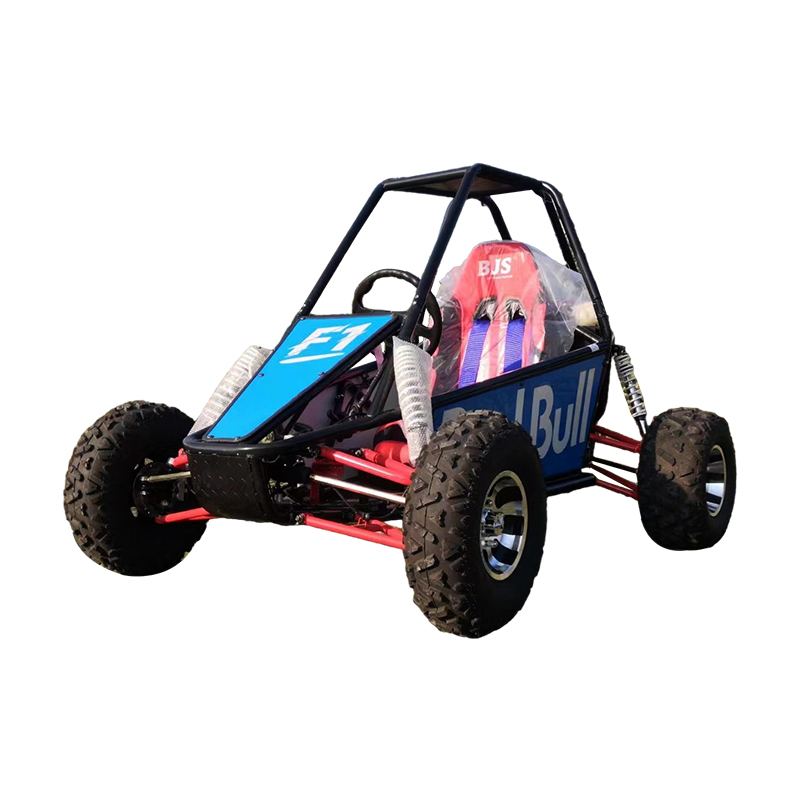
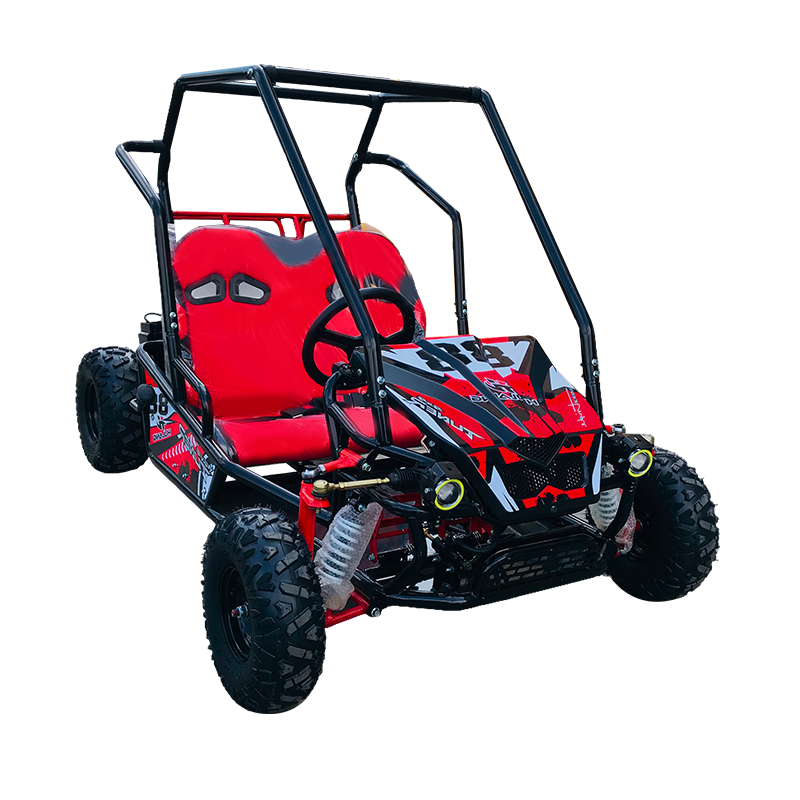
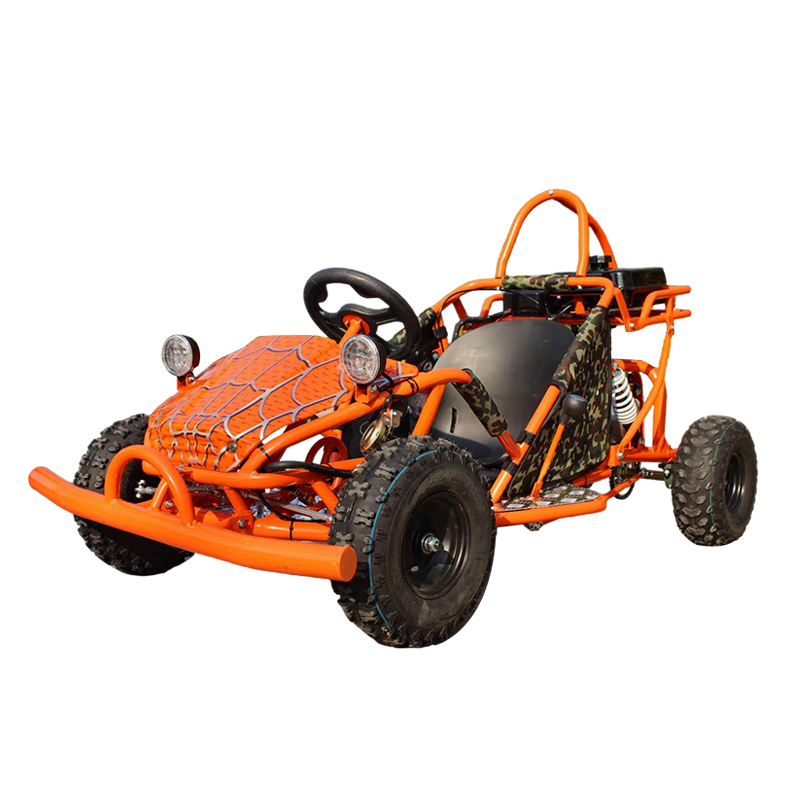
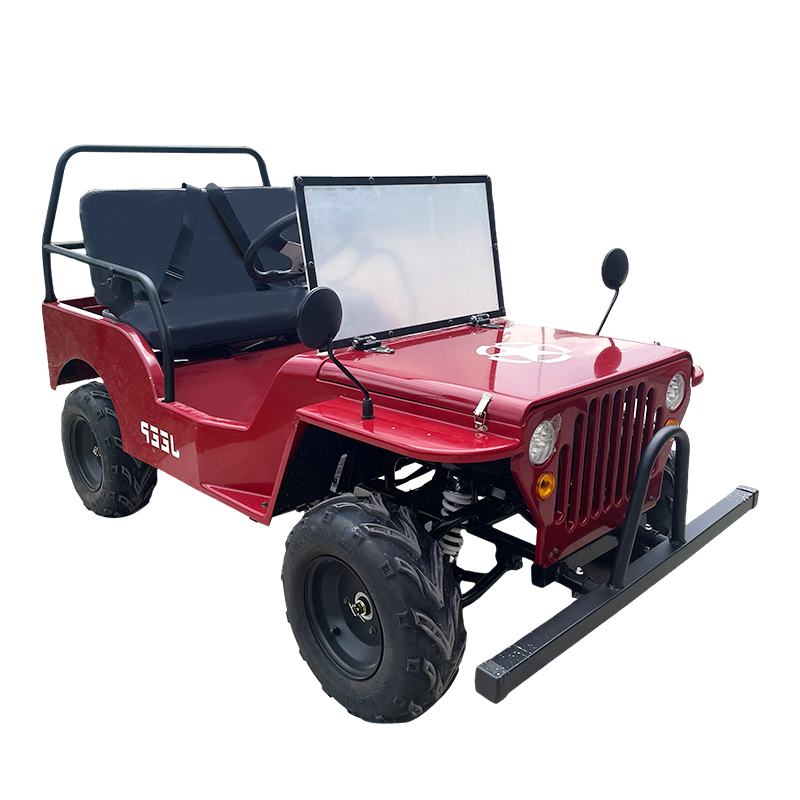
Vehicles designed for sandy terrain require a different approach to power transmission, weight distribution, tire selection, and chassis structure. A Four-Wheel Drive Beach Car combines these elements into a compact vehicle platform designed to move across surfaces where ordinary two-wheel-drive vehicles may struggle to maintain traction.
Four-Wheel Drive Changes Power Distribution
The defining feature of a Four-Wheel Drive Beach Car is its ability to send driving force to four wheels rather than relying on a single axle.
On loose sand, tire contact conditions can change quickly. One wheel may encounter softer ground while another remains on a firmer surface. Four-wheel drive allows the drivetrain to distribute torque across both axles, giving the vehicle additional traction options.
Different systems can use mechanical transfer cases, differential arrangements, or electronically controlled drive components. The exact configuration depends on the vehicle platform and intended operating conditions.
Chassis Design Supports Sandy Terrain
A beach-oriented vehicle needs a chassis capable of handling changing ground conditions. Frame construction, wheelbase, ground clearance, and weight distribution all influence how the vehicle moves across sand.
Ground clearance is particularly relevant because soft terrain can create uneven surfaces. A suitable chassis layout provides space beneath the vehicle while keeping major mechanical components positioned within the protected structure.
For manufacturers, the Four-Wheel Drive Beach Car is therefore not simply a conventional vehicle fitted with four-wheel drive. The chassis needs to be developed around the characteristics of loose terrain.
Tire Design Influences Surface Contact
Tires play an important role when vehicles operate on sand. Tire width, tread pattern, diameter, and inflation characteristics influence the contact area between the vehicle and the ground.
A broader contact area can change how vehicle weight is distributed across the surface. Tread geometry also affects how the tire interacts with loose material during acceleration and steering.
Manufacturers may therefore select different tire configurations according to vehicle weight, drivetrain output, and intended terrain.
For a Four-Wheel Drive Beach Car, tire selection needs to work together with the suspension and drivetrain rather than being treated as an isolated component.
Suspension Geometry Affects Vehicle Movement
Sand is rarely perfectly flat. Small ridges, soft sections, and changing surface depths can create continuous suspension movement.
Independent suspension systems allow individual wheels to respond to different terrain conditions. Other vehicle platforms may use alternative suspension layouts depending on their load requirements and chassis architecture.
Suspension travel, shock absorber placement, control arm geometry, and wheel position all contribute to how the vehicle responds to uneven ground.
For vehicle manufacturers, these elements influence both driving characteristics and the amount of mechanical space available around the wheels.
Compact Powertrains Fit Specialized Vehicles
A beach car does not necessarily require the same powertrain layout as a conventional road vehicle. Compact engines, electric motors, transmissions, and reduction systems can be arranged according to the available chassis space.
Internal combustion configurations may connect the engine to a transmission and transfer case, while electric platforms can use one or more motors to drive the axles.
Electric drive systems can also provide flexible packaging because motors do not always require the same mechanical layout as conventional engines.
The powertrain of a Four-Wheel Drive Beach Car therefore depends on the relationship between vehicle size, required torque, drivetrain structure, and available installation space.