English
 Español
 عربى
عربى
A snowy trail can change from firm and smooth to soft and uneven within a short distance. That is part of what makes winter riding different from travel on ordinary roads. A Snowmobile is designed to move across snow using a powered track at the rear and skis at the front. Its engine, suspension, steering system, and chassis work together to help the rider travel through changing winter conditions.
How a Snowmobile Moves Across Snow
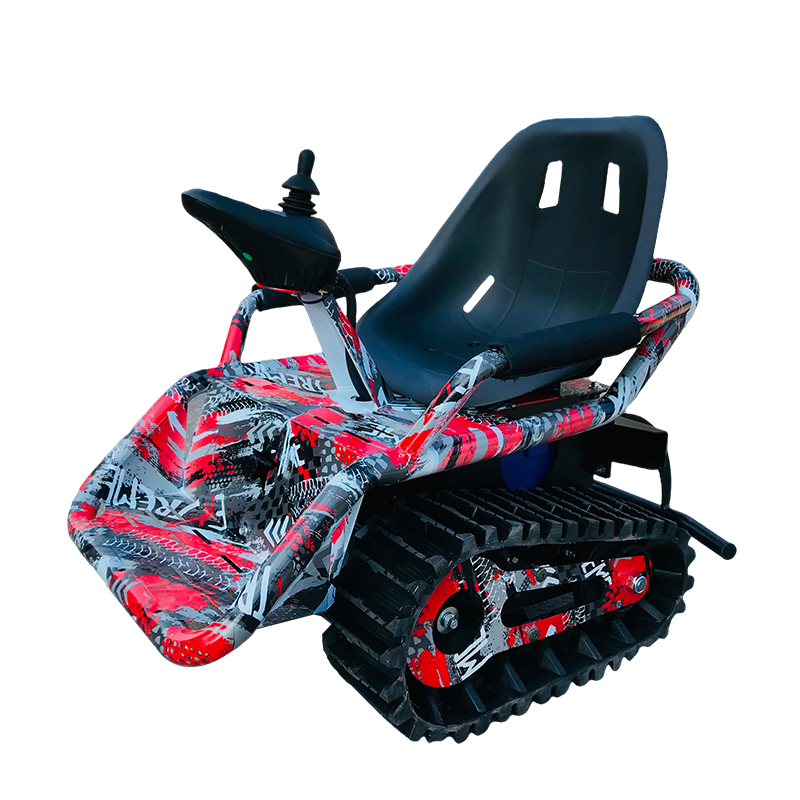
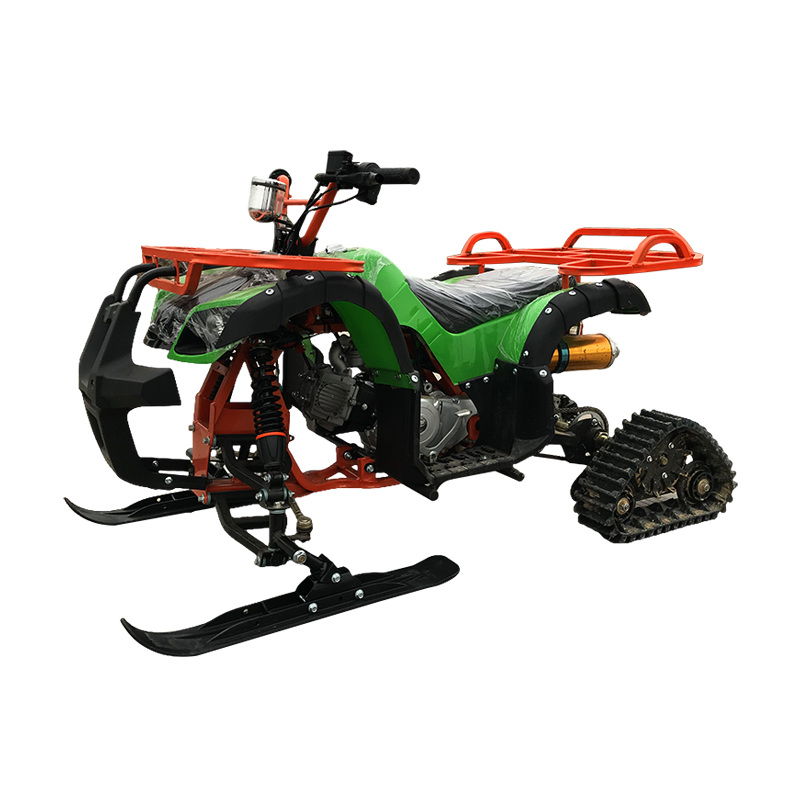
Unlike a conventional motorcycle, a Snowmobile uses a continuous rubber track to generate forward movement. The track grips the snow and pushes against the surface, while the front skis guide the machine through turns.
The engine supplies power through a transmission system that commonly includes a continuously variable transmission, or CVT. This arrangement adjusts the relationship between engine speed and track drive as operating conditions change.
Track length, width, lug height, and overall construction affect how the machine interacts with the snow. A wider track can distribute the machine's weight across a larger contact area, while different lug designs influence traction in loose or compacted snow.
These features explain why a Snowmobile intended for deep powder may behave differently from one designed for packed trails. The track and drivetrain need to match the terrain the machine is expected to cover.
Engine Power and Riding Conditions
Engine design influences acceleration, throttle response, and the amount of power available during climbing or carrying additional loads. Snowmobiles commonly use two-stroke or four-stroke engines, depending on the model and intended use.
Two-stroke engines are often associated with a relatively light engine package and responsive power delivery. Four-stroke engines use a different combustion cycle and are found in various touring, utility, and recreational models.
Engine displacement alone does not explain how a machine will perform. Weight, gearing, track design, and power delivery also affect the riding experience. For example, a machine used on steep terrain may need a different combination of power and traction from one that spends its time on groomed trails.
When comparing a Snowmobile, it helps to consider the complete setup rather than focusing on a single engine specification.
Suspension Makes Uneven Terrain Easier to Handle
Snow-covered ground can hide bumps, ruts, and changes in surface depth. Suspension systems help absorb these impacts and keep the machine more manageable as it moves across uneven terrain.
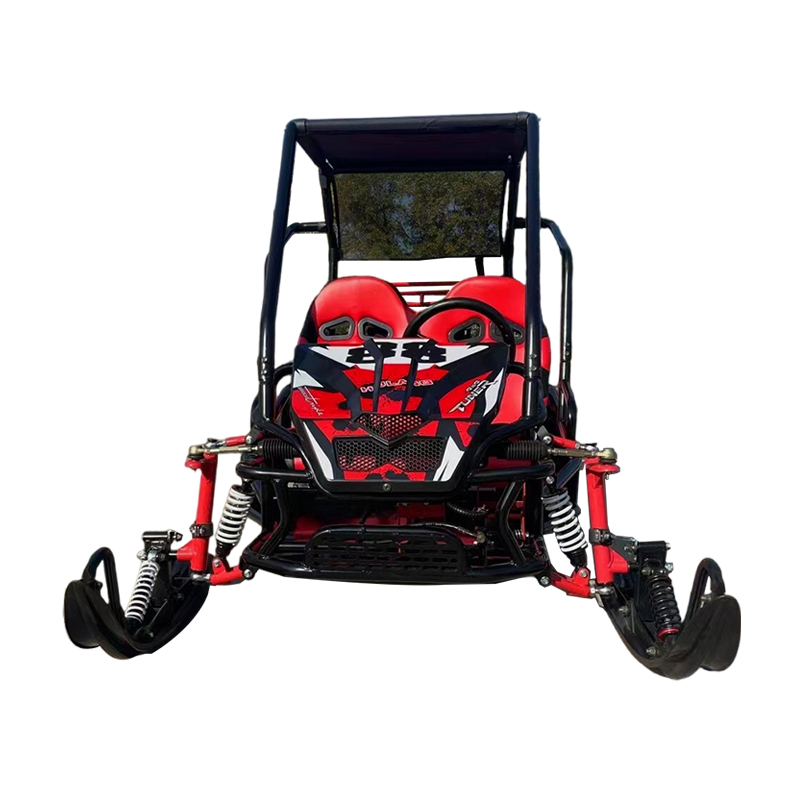
Most conventional snowmobiles use front suspension connected to the skis and rear suspension supporting the track assembly. The exact design varies by model, with differences in shock absorbers, suspension geometry, and available adjustment.
Trail-oriented machines may emphasize predictable handling over repeated bumps. Deep-snow models may use a setup that supports movement through softer terrain and allows the chassis to respond to changing snow conditions.
Suspension also affects rider comfort and steering response. For this reason, a Snowmobile should be assessed according to the terrain and riding position it is designed to accommodate.
Comfort and Control Come From the Whole Design
Rider position, handlebar reach, seat shape, wind protection, and dashboard layout can all influence how a machine feels during use. A compact sport model may place the rider differently from a touring machine designed for longer trips.
Steering geometry also matters. The front skis need to respond predictably to handlebar input while working with the track and suspension. Weight distribution can influence how the machine enters a turn, climbs a slope, or moves through loose snow.
For buyers comparing models, it is useful to look beyond appearance and engine size. A well-matched Snowmobile combines its track, suspension, controls, and chassis around a clearly defined riding purpose.