English
 Español
 عربى
عربى
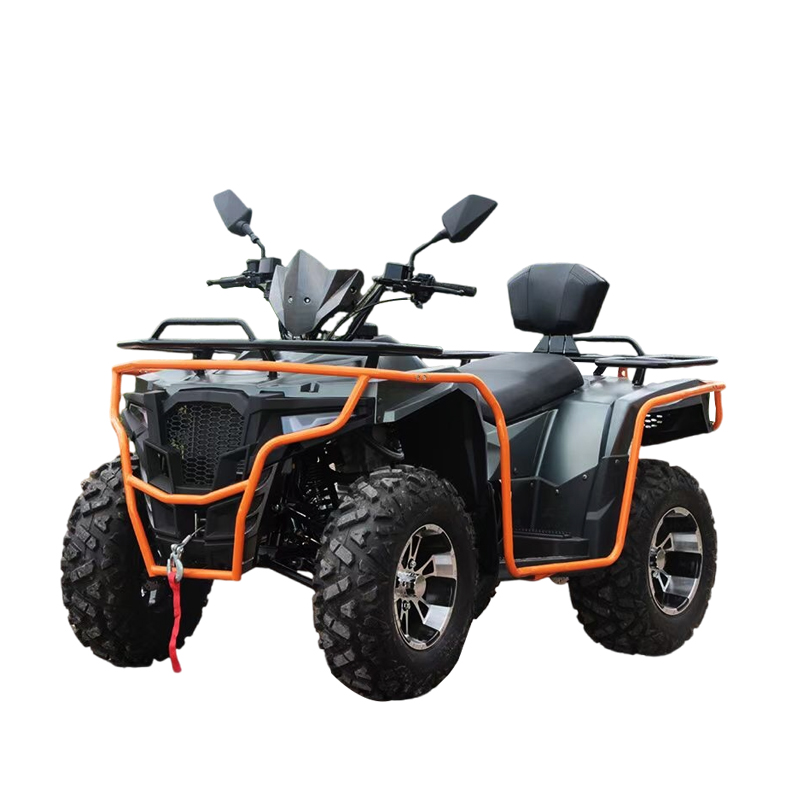
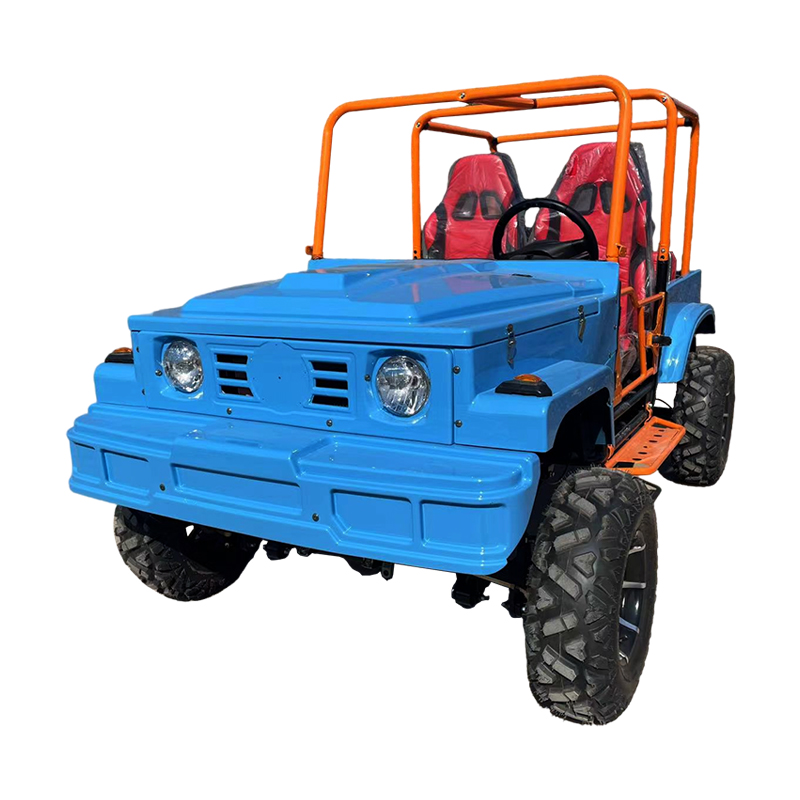
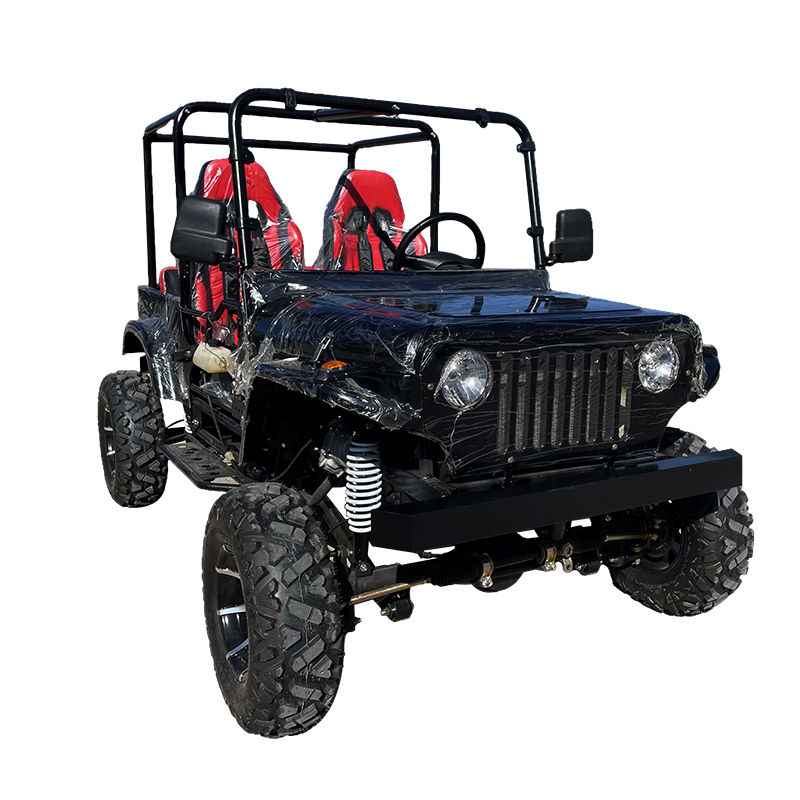
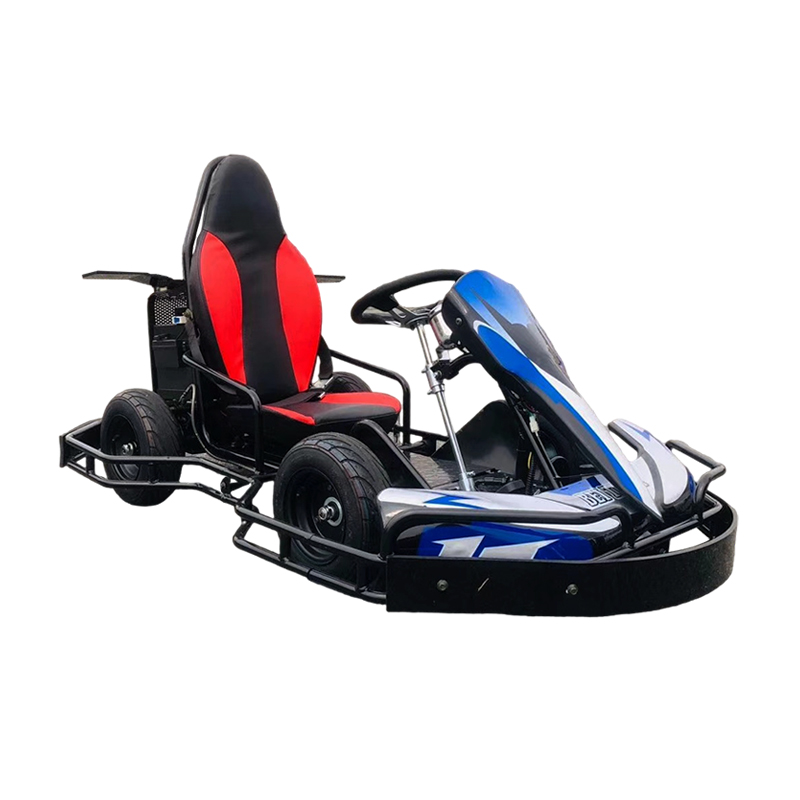
Off-road recreational vehicles have taken on many forms over the years, and the beach buggy motorcycle represents one of the more distinctive branches of that category. Built to move across sand, uneven trails, and soft ground where standard motorcycles struggle, these machines have carved out a niche among riders looking for something outside typical street or dirt bike experiences.
Manufacturers producing these vehicles have adjusted designs over time, experimenting with wheel configurations, frame structures, and engine placement to suit the specific demands of loose, shifting terrain. This has resulted in a fairly wide range of models available across different markets.
What Sets This Category Apart
A beach buggy motorcycle typically combines elements of a traditional motorcycle frame with wider tires or tracks designed for low-traction surfaces. Some versions use oversized balloon tires filled with low air pressure, which spreads the vehicle's weight across a larger surface area and helps it move over sand without sinking. Others rely on a three- or four-wheeled layout rather than the standard two-wheel configuration.
The riding position and handlebar setup often resemble conventional motorcycles, which makes the learning curve more approachable for riders already familiar with two-wheeled vehicles. However, the wider stance and modified suspension systems mean handling characteristics differ noticeably from what a rider would expect on pavement or hard-packed dirt.
Common Uses and Rider Interest
Recreational riders make up a large portion of the buyer base for beach buggy motorcycle units, particularly in coastal regions where sand dunes or open beach areas allow this kind of riding. Rental businesses in tourist areas have also picked up on the category, offering short rides or guided tours as part of broader outdoor activity packages.
Beyond recreation, some buyers use these vehicles for practical purposes such as patrolling coastal properties, checking equipment across sandy work sites, or moving through terrain where standard vehicles would get stuck. This mix of recreational and functional use has kept demand fairly steady across different buyer types.
Design Variations Across Manufacturers
Not every beach buggy motorcycle follows the same blueprint. Engine sizes range from smaller displacement units suited for lighter riders or casual use, up to larger engines built for carrying more weight or handling steeper dune slopes. Frame materials also vary, with some manufacturers prioritizing lighter builds for easier transport and others focusing on heavier, more rigid frames for stability at speed.
Wheel and tire combinations represent another area of variation. Some models use a single oversized rear tire paired with a narrower front tire, while others use matched wide tires front and back. These choices affect how the vehicle handles turns, inclines, and softer sand pockets, giving buyers a reason to compare specifications closely before choosing a model.
Sourcing and Market Considerations
For distributors and dealers exploring this category, sourcing conversations tend to focus on frame durability, tire type, and how easily units can be shipped and assembled. Because these vehicles are often used in harsh, sandy environments, buyers frequently ask about sealed components and weight distribution before finalizing orders.
Regional demand also shapes sourcing decisions for the beach buggy motorcycle category, since coastal markets with established beach tourism tend to show steadier interest compared to inland regions. Suppliers working with rental operators or tour companies often adjust their beach buggy motorcycle offerings based on how frequently vehicles will be used and by how many different riders.