English
 Español
 عربى
عربى
In family entertainment centers, shopping malls, and tourist attractions across the world, a small vehicle keeps appearing: the Children's Four-Wheel Vehicle. These battery-powered ride-ons occupy a practical niche in the family entertainment business, giving venues a low-barrier attraction that draws steady foot traffic. Behind the bright plastic shell sits a product category with real engineering decisions, a defined supply chain, and a growing base of commercial buyers.
How the Product Comes Together
Manufacturing a Children's Four-Wheel Vehicle starts with the chassis. A steel or reinforced frame forms the backbone, supporting the body panels, seat, battery box, and drivetrain. Electric motors — typically one or two units driving the rear axle — provide smooth, quiet power suited for indoor venues where noise matters.
The battery system shapes daily operations. Sealed rechargeable units are favored in commercial settings because they handle frequent charge cycles and demand little attention from staff. Body panels use impact-resistant plastic that tolerates bumps against curbs and play structures, since rental fleets see far harder use than a single household ever would.
Where Commercial Demand Comes From
Rental operators form a large share of the market. Malls, plazas, and amusement parks run timed rides that turn a compact footprint into steady revenue. Tourist venues offer scenic rides where families pause, rent, and photograph. Event companies bring fleets to festivals and fairs, setting up temporary circuits that pack down into a van.
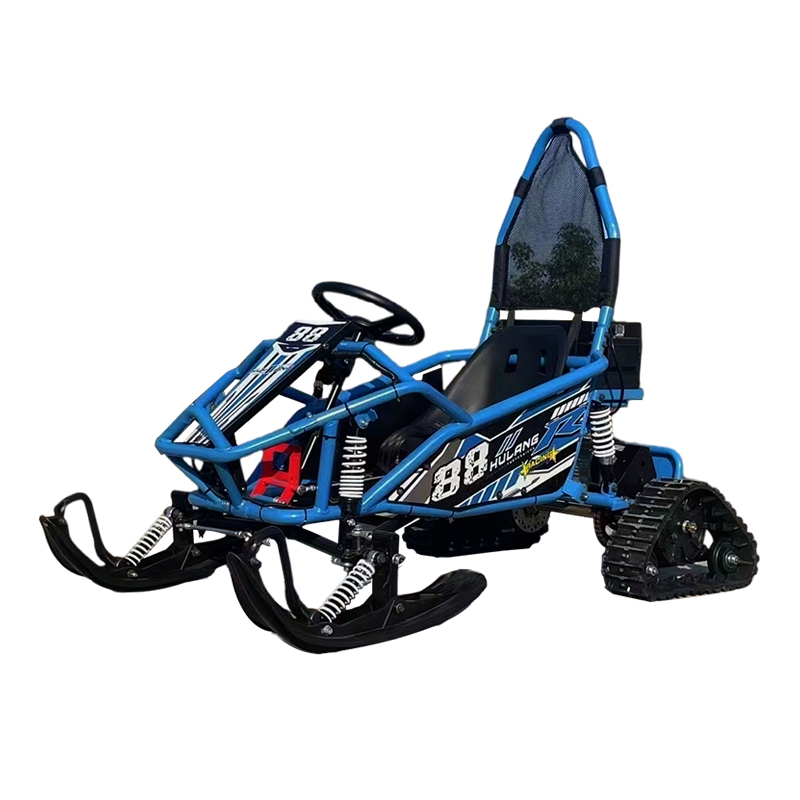
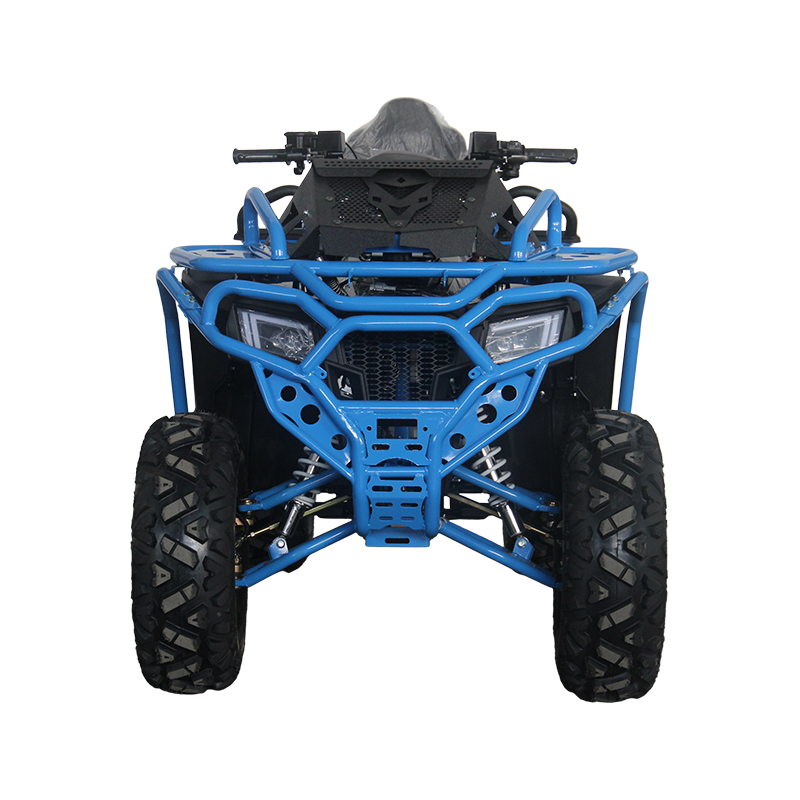
Each setting places different demands on the vehicle. Indoor mall floors call for soft tires and gentle acceleration. Outdoor venues need stronger torque for gentle slopes and textured ground. Manufacturers respond with configurations aimed at specific operating environments rather than one universal design.
Configuration Choices Buyers Weigh
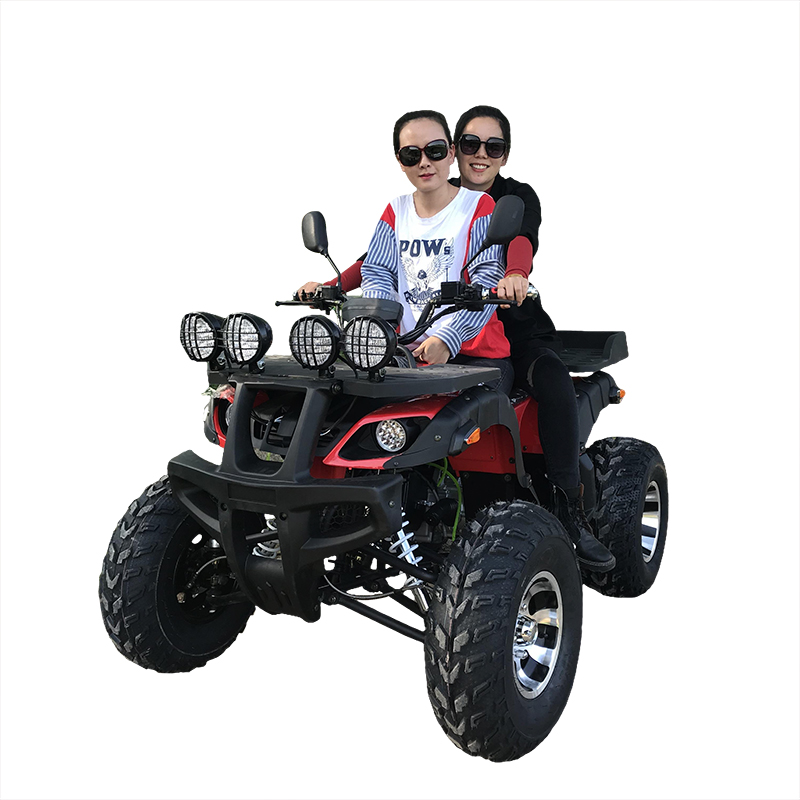
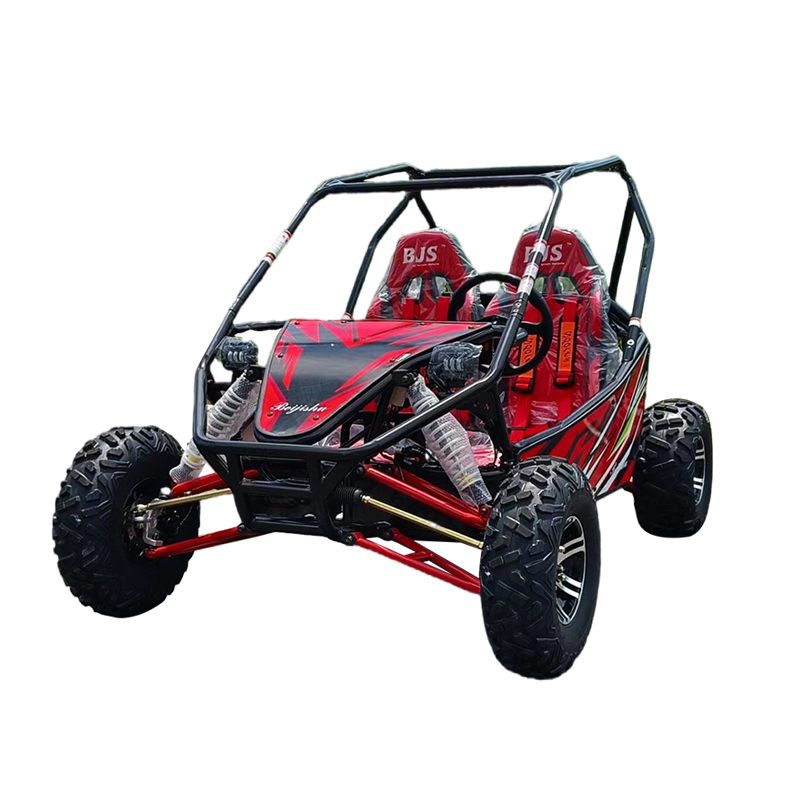
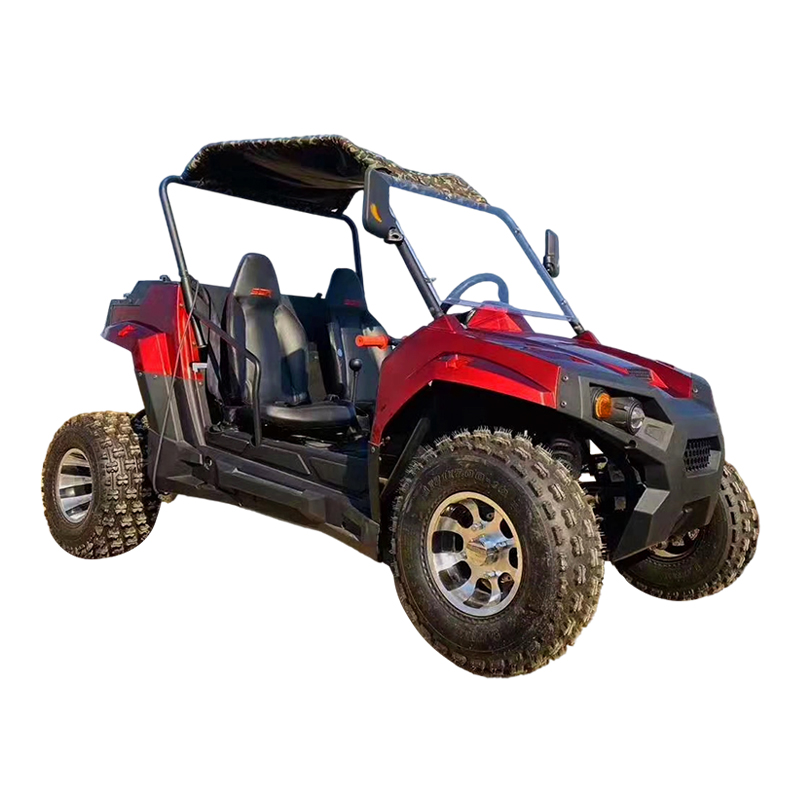
Product managers reviewing a Children's Four-Wheel Vehicle catalog face familiar questions. Single-seat models serve one rider and simplify queues. Two-seat versions raise per-ride revenue but add weight and length. Some fleets mix both to match venue traffic patterns.
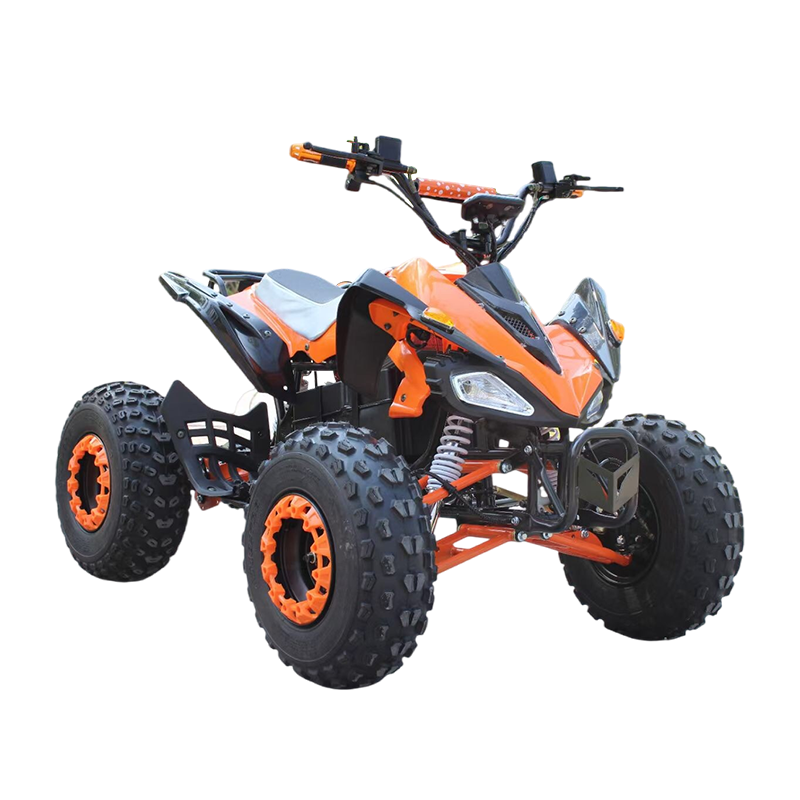
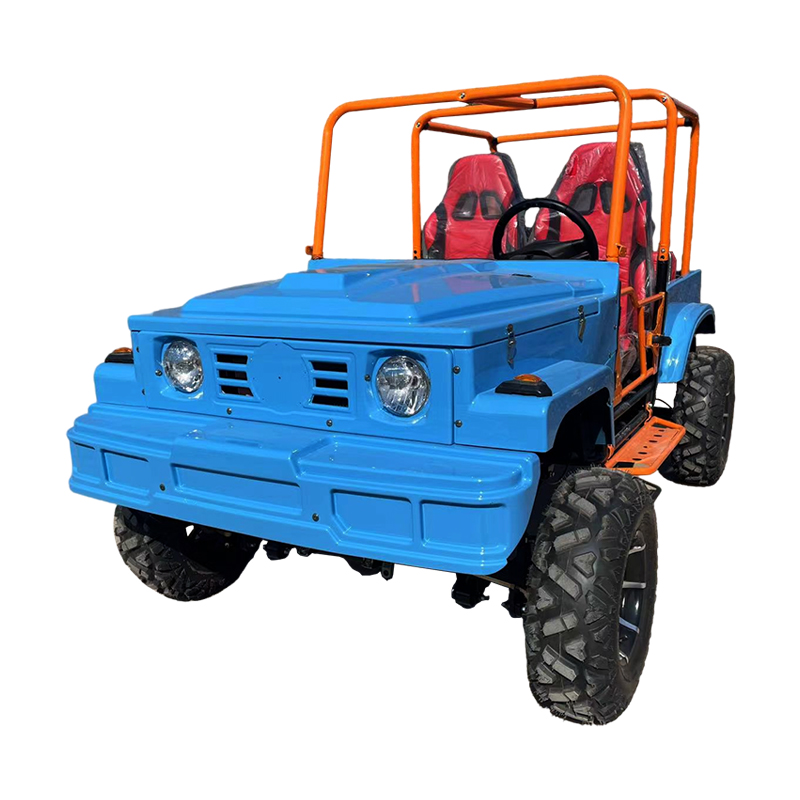
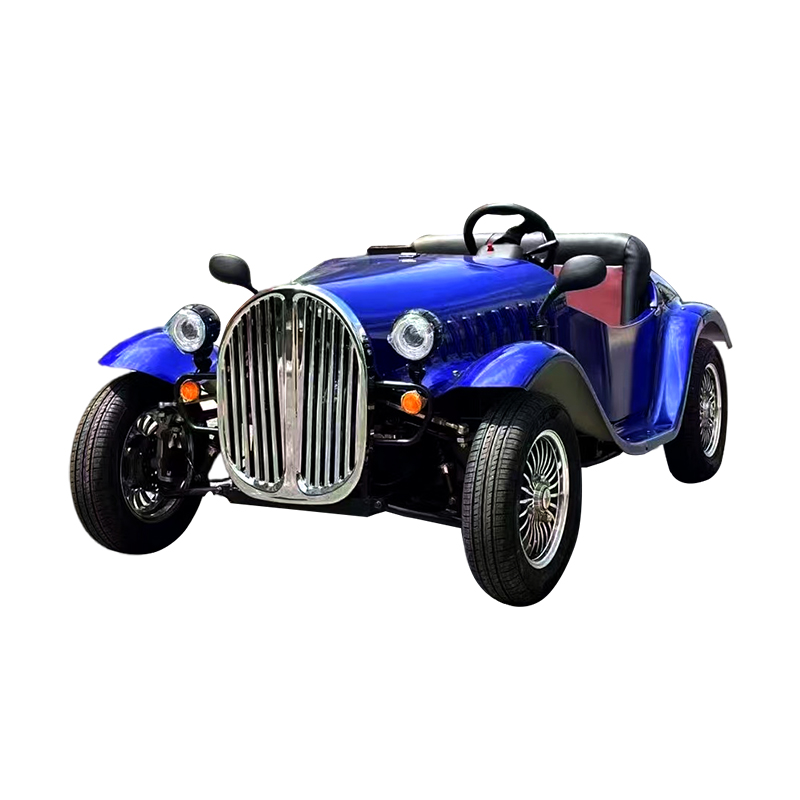
Entertainment functions carry real commercial weight. Working headlights, horn sounds, and music playback extend ride appeal, and themed styling — from mini off-roaders to small sports cars — helps venues match their branding. Remote control capability lets staff supervise rides directly, which operators running busy circuits tend to consider essential.
Safety Engineering as a Design Input
Commercial buyers treat safety features as design requirements rather than extras. Low-speed governors keep vehicles within walking pace. Wide wheelbases and low centers of gravity reduce tipping on turns. Seat belts, smooth edge profiles, and enclosed drivetrains protect small riders during contact-heavy moments that fleet vehicles inevitably experience.
Parental remote override has become a standard expectation in many markets, giving operators a direct hand in every ride. These elements shape the product at the drawing board stage, influencing frame geometry, motor selection, and control electronics long before assembly begins.
What Sourcing Teams Look For
When evaluating suppliers, experienced buyers dig into details beyond the catalog photos. Frame weld quality, battery compartment construction, and the feel of the steering mechanism reveal how a unit will hold up across hundreds of operating hours. Consistency between production batches matters for fleets that order in volume and need interchangeable parts.
Communication with the factory matters as well when sourcing a Children's Four-Wheel Vehicle. Clear specification sheets, stable lead times, and responsive engineering support turn a one-time purchase into an ongoing supply relationship — something fleet operators depend on when a busy season arrives.