English
 Español
 عربى
عربى
The world of recreational motorsports is witnessing a significant surge in the popularity of off-road karting. This dynamic activity, distinct from its paved-circuit counterpart, involves operating small, robust vehicles over unpaved terrain, including dirt tracks, gravel paths, and specially designed courses with natural obstacles. Off-road karting is carving out a substantial niche by offering an adrenaline-filled driving experience that is often perceived as more accessible and varied than traditional track-based karting, attracting a diverse range of participants from families to adventure seekers.
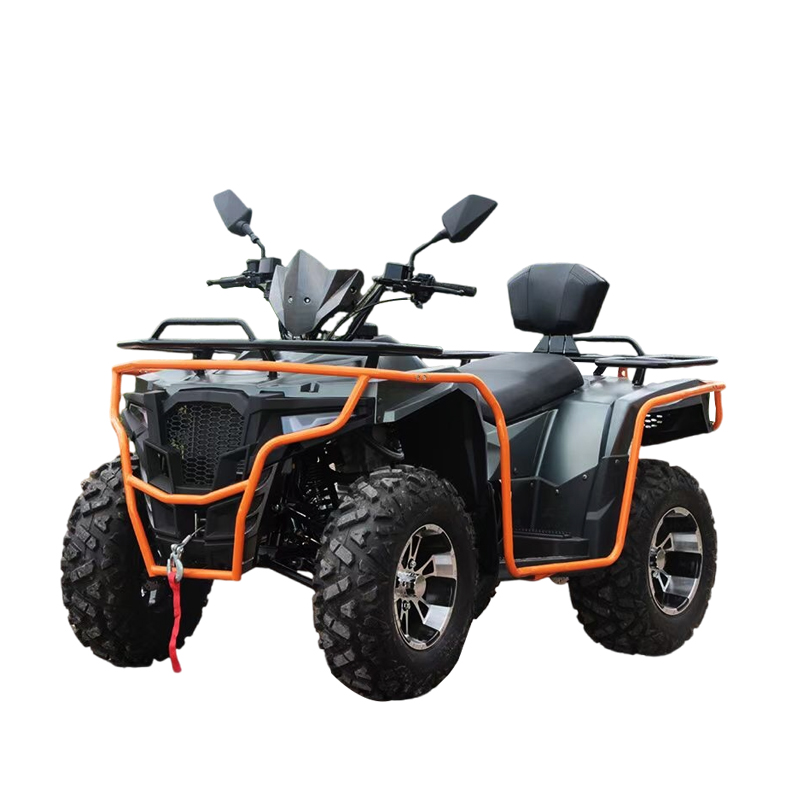
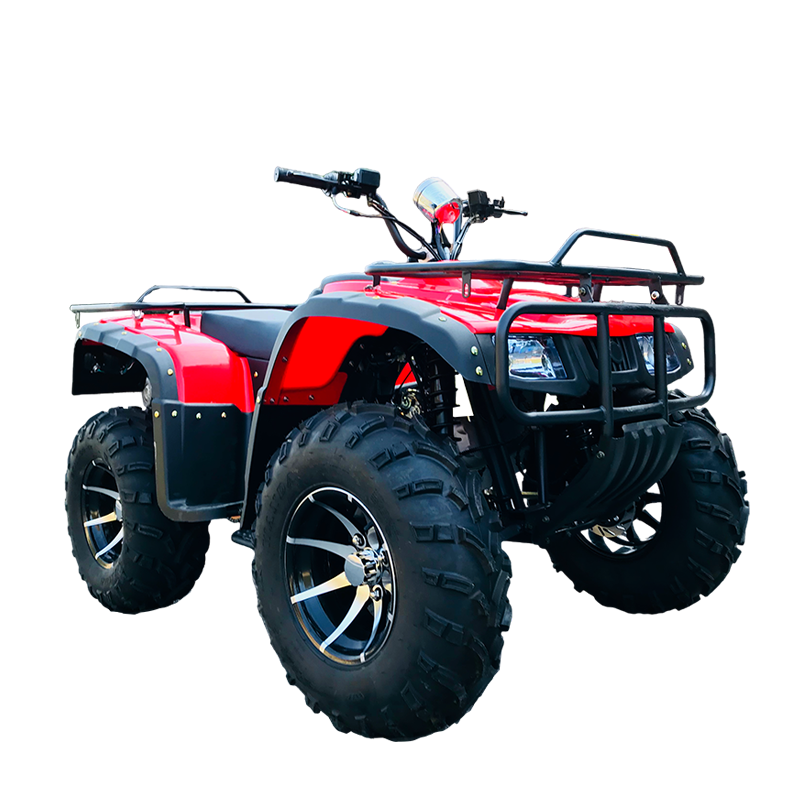
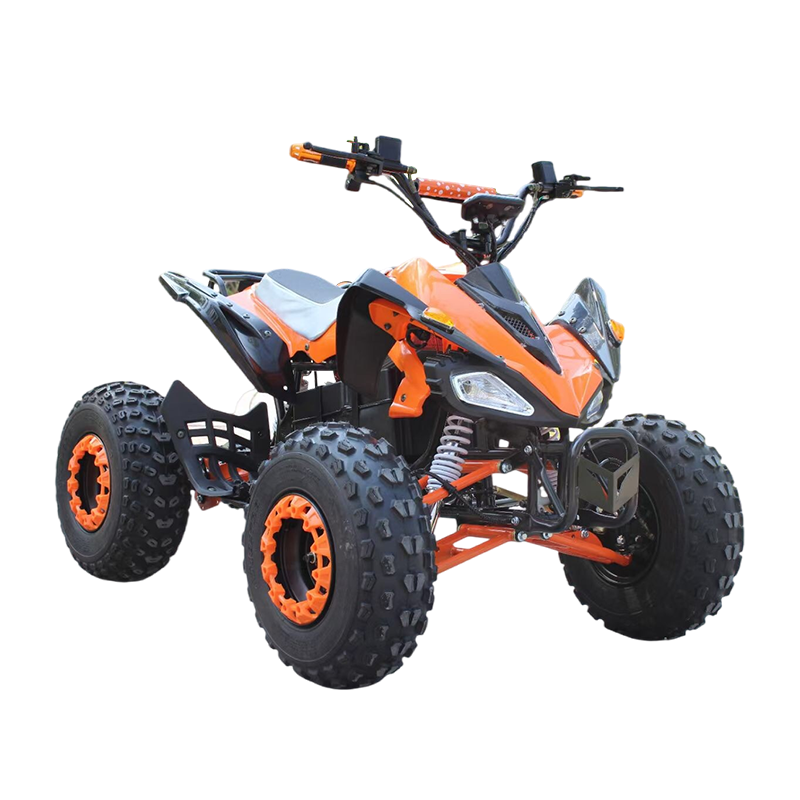
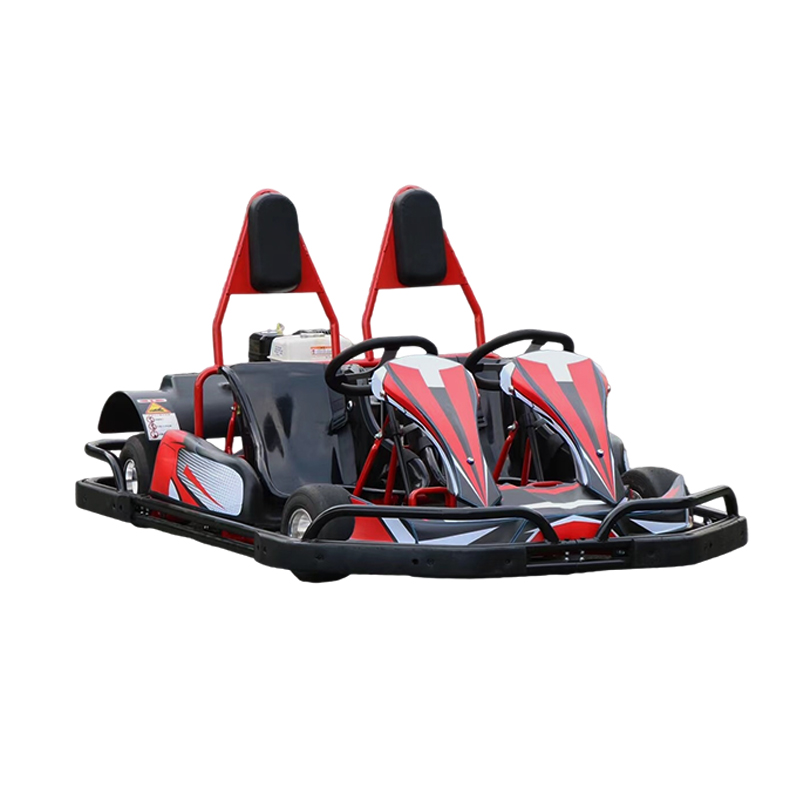
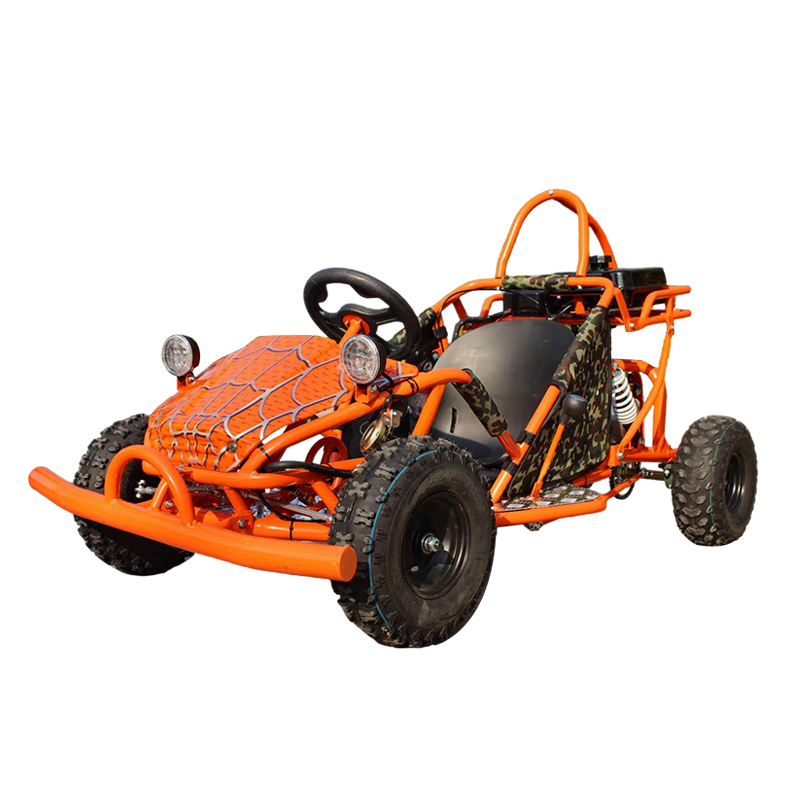
At its core, the experience of off-road karting is defined by the interaction between driver, machine, and variable terrain. The vehicles used in off-road karting, often referred to as dirt karts or buggies, are specifically engineered for durability and agility on loose surfaces. They typically feature a sturdy tubular frame, long-travel suspension with significant ground clearance, knobby tires for predominant traction, and often a roll cage for added safety. The unpredictable nature of dirt, mud, and ruts means that every session of off-road karting demands constant adjustment and skill, focusing on vehicle control, weight transfer, and throttle management in a way that differs markedly from asphalt racing.
The appeal of off-road karting is multifaceted. For many, it serves as an exciting outdoor leisure activity, combining the thrill of driving with the enjoyment of natural settings. Dedicated off-road karting facilities have proliferated, offering rental fleets of well-maintained karts and professionally designed courses that range from beginner-friendly loops to challenging layouts with jumps and banked corners. This turnkey model lowers the barrier to entry, allowing individuals without their own equipment to easily try off-road karting. Furthermore, the activity is often promoted as a group or family outing, fostering shared experiences outside of typical urban entertainment options.
From a competitive standpoint, off-road karting supports a structured sporting ladder. Amateur and semi-professional racing series for off-road karting exist in many regions, with classes segmented by engine size, kart type, and driver age or skill level. These competitions test not only outright speed but also consistency and tactical decision-making across changing track conditions. The culture surrounding competitive off-road karting emphasizes mechanical ingenuity and driving adaptability, as setups must be tuned for specific soil composition and weather, adding a technical layer to the sport.
The growth of off-road karting is also supported by its relative accessibility in terms of location and logistics. Unlike sanctioned paved tracks, which require specific infrastructure, off-road karting can be accommodated on more varied pieces of land. This has enabled the development of facilities in rural and peri-urban areas, bringing the activity closer to a wider population. The maintenance of the kart itself for off-road karting, while requiring attention due to the dusty and demanding environment, often involves more straightforward mechanical systems compared to high-strung track karts, which can appeal to hobbyists.
The trajectory for off-road karting points toward continued diversification and technological integration. Environmental considerations are pilot some facilities to explore electric powertrains for their rental fleets, offering a quieter, emission-free version of off-road karting. Advances in safety gear and kart design, such as improved impact absorption and stability, remain a constant focus. As people seek engaging outdoor activities that offer a sense of adventure and skill development, off-road karting is well-positioned to maintain its momentum. It provides a unique and thrilling platform that merges the simplicity of karting with the raw challenge of conquering natural terrain, securing its place as a vibrant segment of the global motorsports community.