English
 Español
 عربى
عربى
The recreational vehicle market for young drivers has seen steady development as families seek outdoor activities that combine entertainment with skill development. Within this segment, the children's kart has emerged as a popular option, offering a controlled introduction to driving concepts in a safe and engaging format. The children's kart provides young users with an experience that balances fun with the gradual development of coordination and spatial awareness.
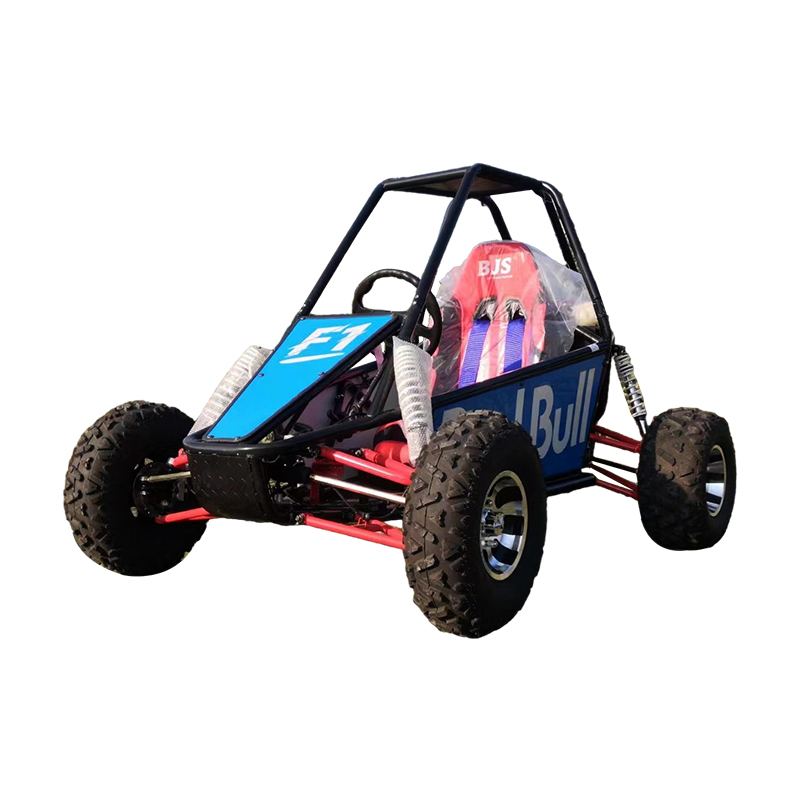
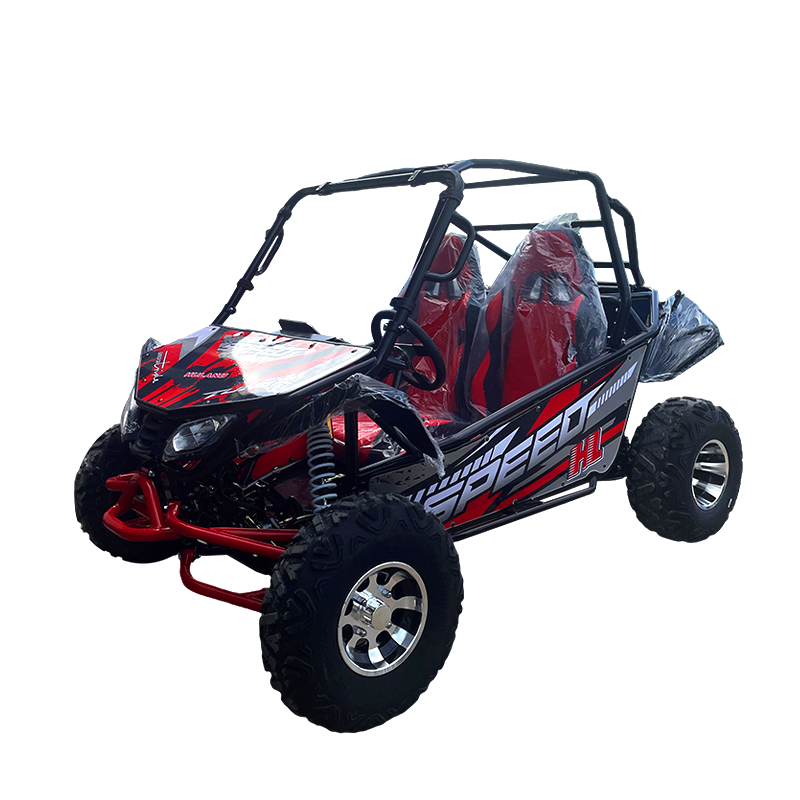
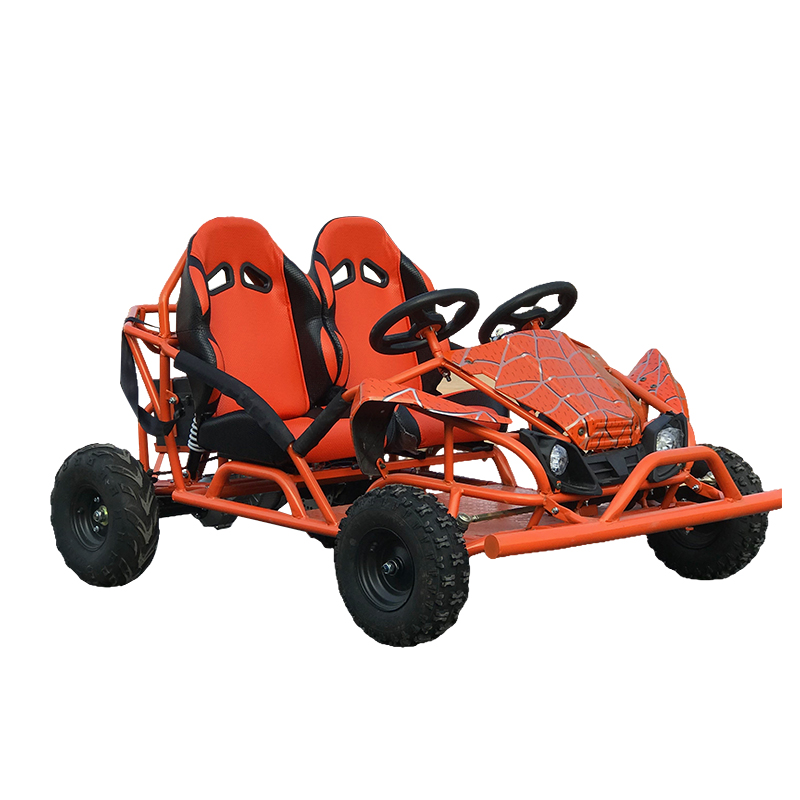
The design of a children's kart reflects careful consideration of the needs and capabilities of young users. Unlike adult racing karts, a children's kart typically features reduced speed capabilities, simplified controls, and safety features appropriate for novice drivers. The frame of a children's kart is engineered to provide stability while maintaining maneuverability that suits smaller operators. Seating positions and pedal placements in a children's kart accommodate the physical dimensions of younger drivers, allowing them to reach controls comfortably and maintain proper posture while operating.
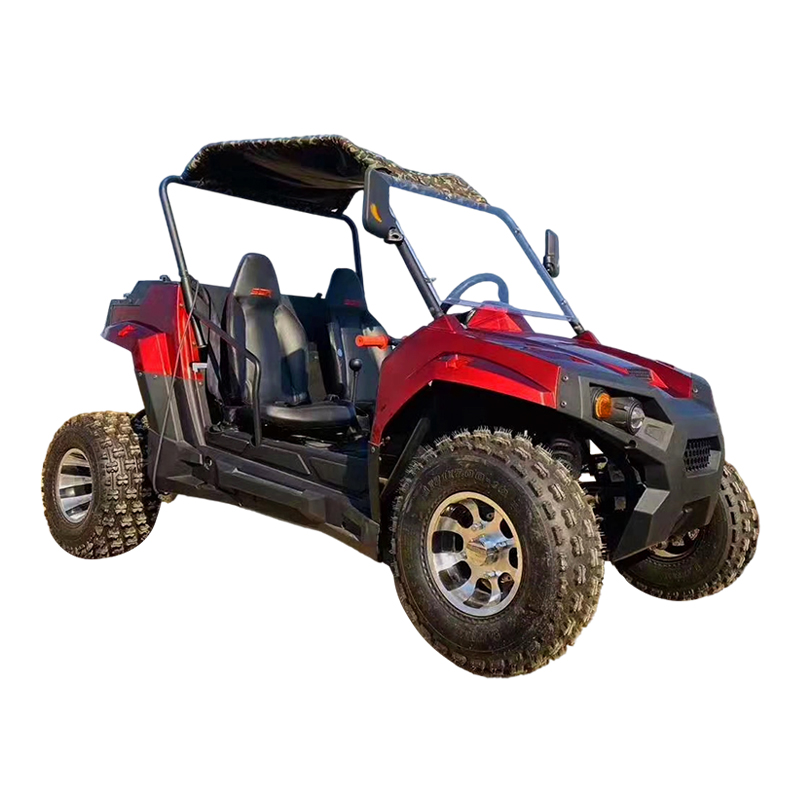
Safety features represent a primary focus in children's kart construction. A quality children's kart incorporates protective elements such as seat belts, roll bars or cages, and speed limiting mechanisms that prevent excessive acceleration. The children's kart often includes adjustable speed settings that allow parents or supervisors to set up to velocities appropriate for the driver's experience level. Additionally, the children's kart typically utilizes low center-of-gravity designs that reduce the likelihood of tipping during turns. These safety considerations enable families to introduce children to driving concepts within controlled parameters.
The variety of children's kart options has expanded to accommodate different age groups and skill levels. Electric children's kart models offer quiet operation and simple charging requirements, making them suitable for residential use in appropriate spaces. Gas-powered children's kart options provide extended run times and may appeal to families with access to larger properties or designated riding areas. Some children's kart configurations include parental remote controls that allow adults to override operation or shut down the vehicle if needed, providing an additional layer of supervision.
The physical benefits associated with children's kart use extend beyond simple enjoyment. Operating a children's kart requires coordination between hands and feet, developing motor skills that translate to other activities. The spatial awareness required to navigate a children's kart around obstacles and through turns contributes to cognitive development. For children who show interest in mechanical concepts, the children's kart can spark curiosity about how vehicles operate and the principles of motion and control.
Many families incorporate children's kart activities into broader outdoor recreation routines. Properties with sufficient space may become venues for children's kart use, with designated tracks or courses that provide structured riding experiences. Some communities have established children's kart programs that offer supervised sessions where young drivers can practice in controlled environments. These organized settings often include instruction on basic driving etiquette and safety practices, reinforcing responsible habits.
The children's kart market is expected to continue serving families seeking outdoor recreational options that engage young participants. Advances in battery technology may extend runtime for electric children's kart models, while materials improvements could reduce weight without compromising durability. For families introducing children to recreational driving experiences, the children's kart offers a platform that prioritizes appropriate scaling of performance to user capability.