English
 Español
 عربى
عربى
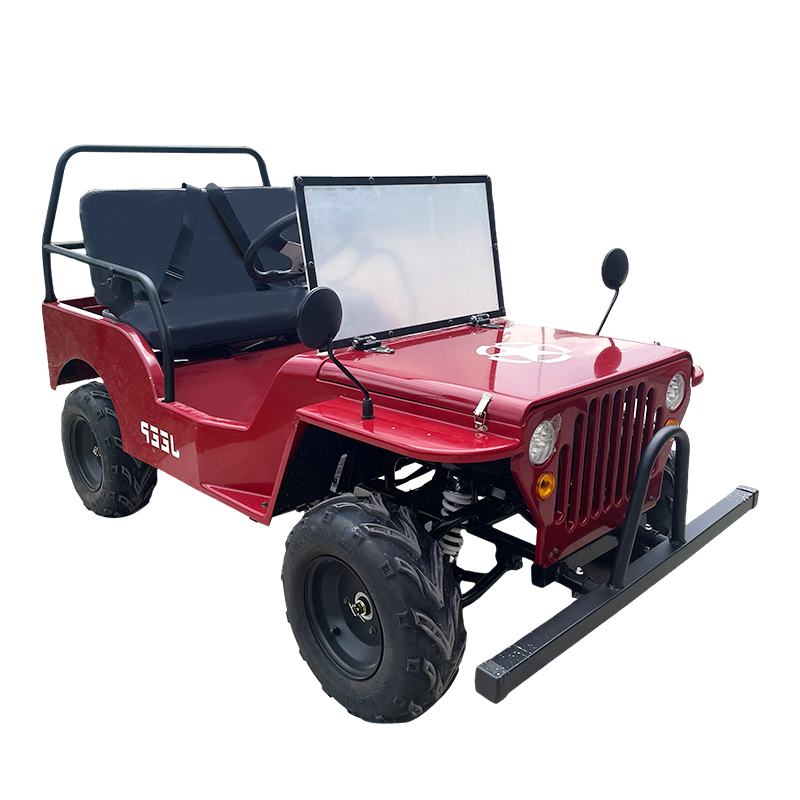
Boxy fenders, round headlights, and a stance that looks like it rolled straight out of a decades-old catalog, this is the visual language driving renewed interest in the retro Jeep. Rather than chasing sleeker, more aerodynamic shapes, this design direction leans into the flat panels and upright grille styling that defined earlier generations of off-road vehicles, giving the retro Jeep a look that feels deliberately different from most vehicles currently on the road.
Design Elements That Define the Style
A handful of visual details tend to show up consistently across retro Jeep models, regardless of manufacturer or specific trim:
- Flat, vertical grille slats paired with round or square headlights
- Exposed door hinges and minimal body cladding, keeping panel lines simple
- Fold-down windshields or removable doors, referencing older open-cab designs
These elements work together to create a silhouette that reads as intentionally simple rather than heavily sculpted. Where many modern vehicles use curved surfaces and creased panels to suggest speed or aggression, a retro Jeep tends to communicate ruggedness through flatness and visible mechanical components instead.
Balancing Nostalgia With Everyday Usability
One challenge in building a retro Jeep is keeping the visual character intact while still meeting expectations for comfort, handling, and cabin space that modern buyers have come to expect. A vehicle that looks exactly like something from decades ago but drives with the same rough ride and limited amenities would appeal to a narrow audience. Because of this, most retro Jeep designs treat the exterior as a styling layer sitting on top of a more contemporary chassis and interior package.
Suspension tuning is one area where this balance shows up clearly. Older military-style vehicles prioritized simplicity and ruggedness over ride comfort, often resulting in a stiff, bouncy driving experience. A retro Jeep aimed at everyday use typically incorporates more refined suspension components, smoothing out road imperfections while keeping the exterior proportions and stance that give it that recognizable boxy profile.
Color, Materials, and Finish Choices
Beyond overall shape, color palette plays a noticeable role in how strongly a retro Jeep leans into its vintage identity. Matte finishes, olive drab greens, and muted earth tones tend to reinforce the utilitarian military heritage this style draws from, while brighter or glossier finishes can shift the same body shape toward a more playful, less rugged impression.
Interior materials follow a similar pattern. Canvas seat covers, exposed metal trim, and simplified dashboard layouts with round analog-style gauges all contribute to the retro feel, even when the underlying components, like climate control systems or infotainment displays, are entirely modern. This layering approach lets a retro Jeep feel authentic to its design roots on the surface while functioning like a current-generation vehicle underneath.
Why This Style Keeps Resurfacing
Design trends in the automotive world tend to move in cycles, and boxy, utilitarian shapes have cycled back into favor more than once over the years. Part of the appeal of a retro Jeep seems to come from its contrast with the increasingly rounded, aerodynamic shapes dominating much of the current vehicle market. A flat-paneled, upright silhouette stands out visually in a parking lot full of curved crossover shapes, which gives the retro Jeep a distinct identity that doesn't rely on aggressive styling or oversized grilles to get noticed.
That distinctiveness, paired with a design language rooted in genuine mechanical history rather than a purely decorative trend, seems to be a large part of why the retro Jeep aesthetic continues to attract attention across different vehicle categories and manufacturers.