English
 Español
 عربى
عربى
The all-terrain vehicle market covers a wide range of recreational, utility, agricultural, and outdoor applications. As users look for vehicles suited to different working conditions, All Terrain Vehicle Suppliers are paying closer attention to vehicle configuration, engine options, suspension layouts, cargo capacity, and rider comfort.
Vehicle Configuration Becomes A Key Focus
Vehicle configuration directly affects how an ATV performs in different environments. Wheelbase, ground clearance, tire size, suspension structure, and vehicle weight all contribute to the overall driving experience.
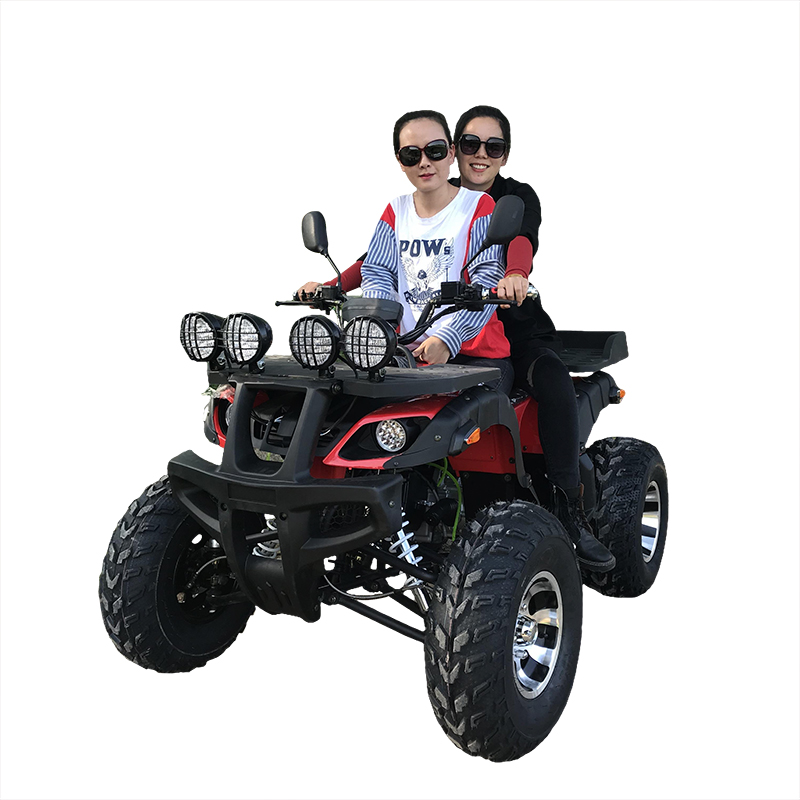
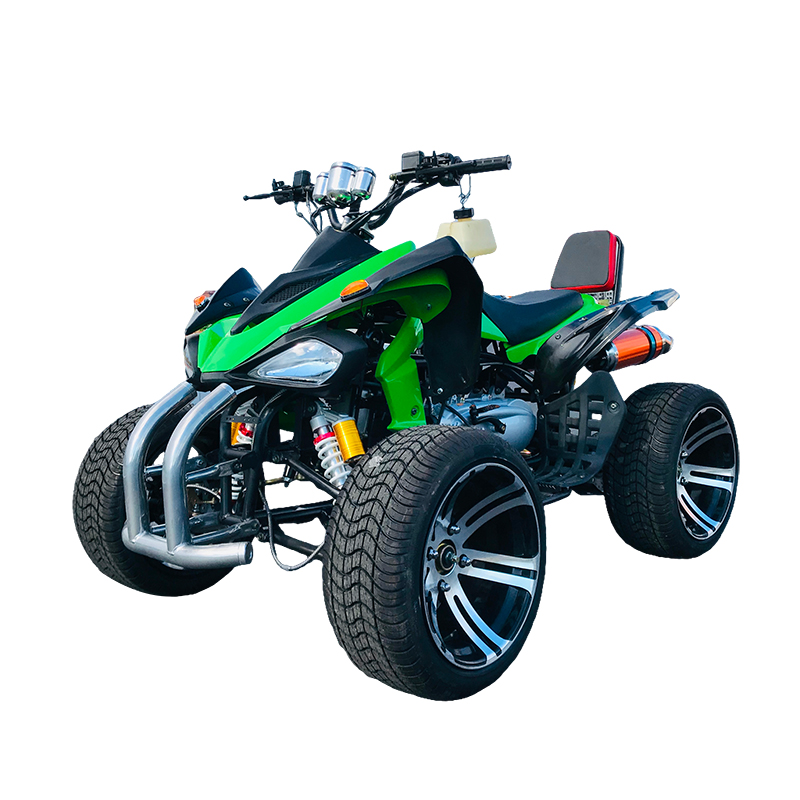
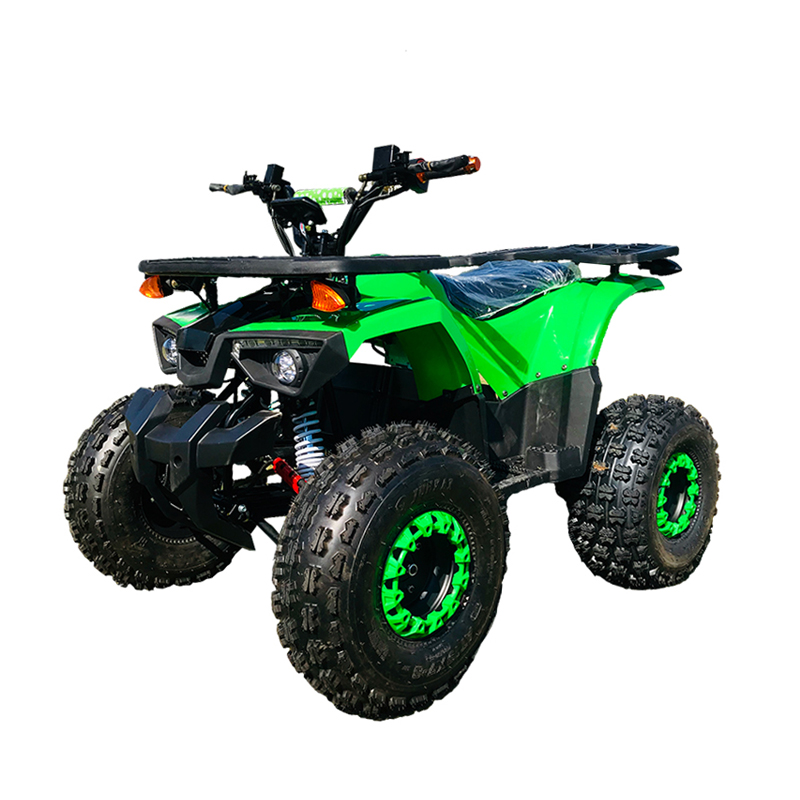
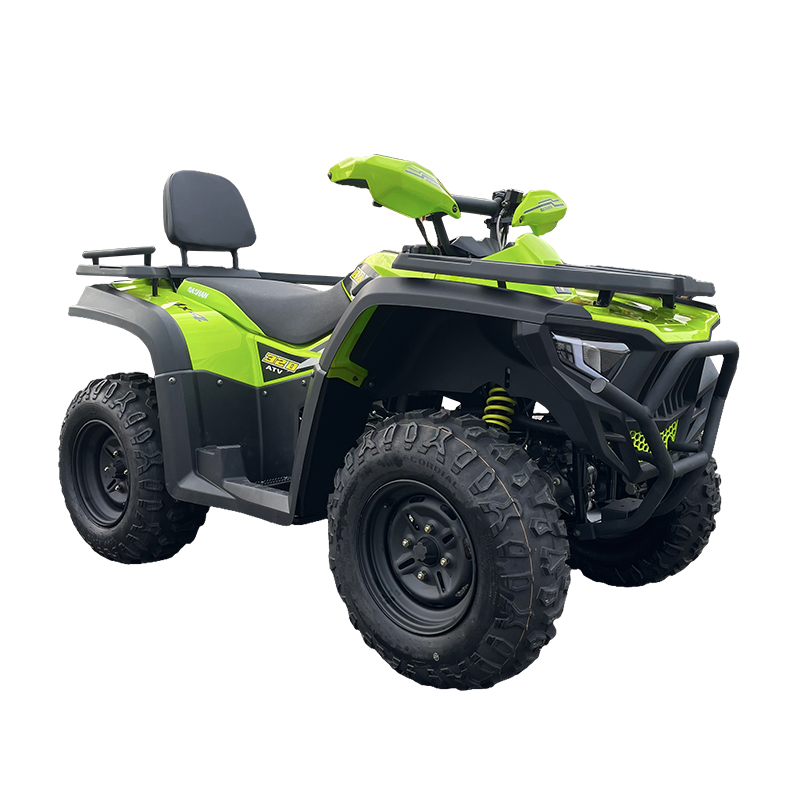
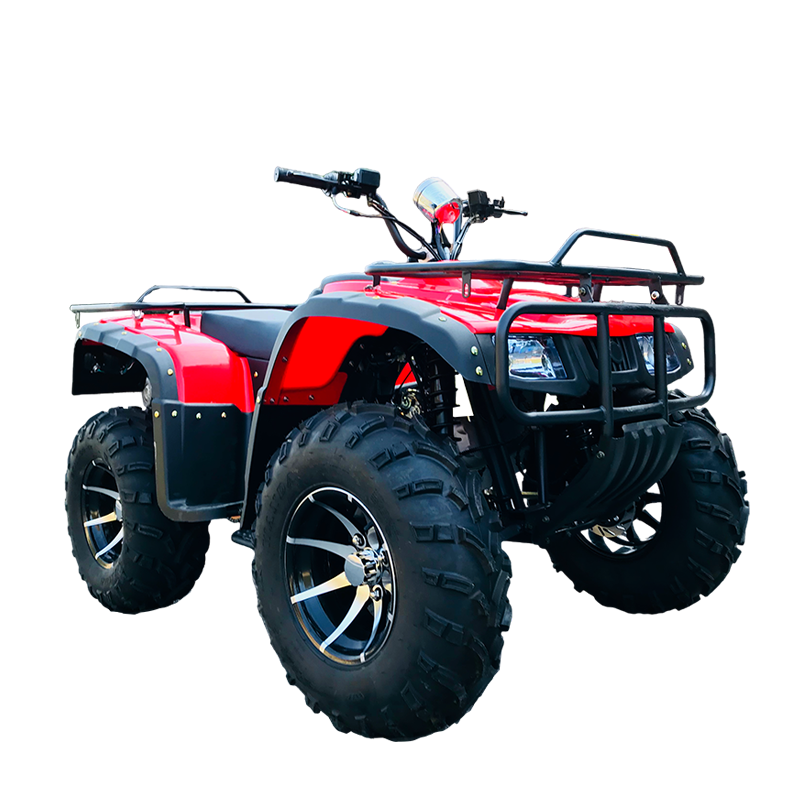
Many All Terrain Vehicle Suppliers offer several configurations based on different usage requirements. Compact models can be easier to handle on narrow trails, while utility-oriented designs may provide additional cargo space and stronger carrying structures.
The arrangement of the engine, transmission, fuel system, and suspension components also affects the vehicle's overall balance. Engineers generally consider these elements together rather than designing each component separately.
Engine Options Shape Vehicle Performance
Engine displacement is an important consideration when selecting an ATV. Smaller engines may suit lightweight recreational vehicles, while larger engines can provide additional power for applications involving heavier loads or more demanding terrain.
Different All Terrain Vehicle Suppliers may offer multiple engine configurations across their product ranges. Engine layout, cooling structure, transmission type, and throttle response can all influence the riding characteristics of a vehicle.
Automatic transmissions are commonly associated with user-friendly operation. Other configurations may provide different control characteristics for riders who prefer greater involvement during outdoor driving.
Suspension Design Supports Different Terrain
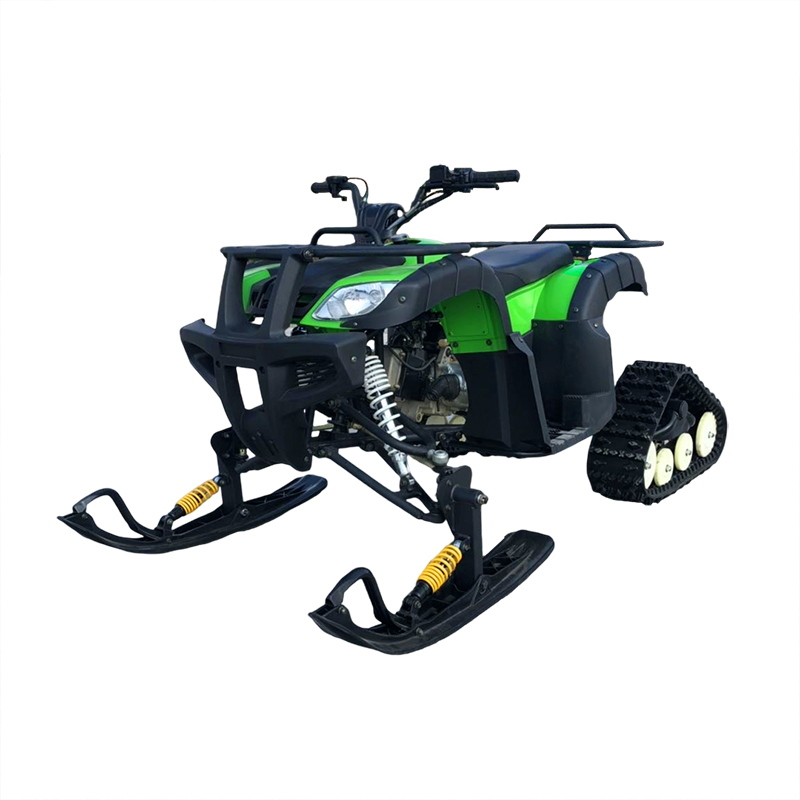
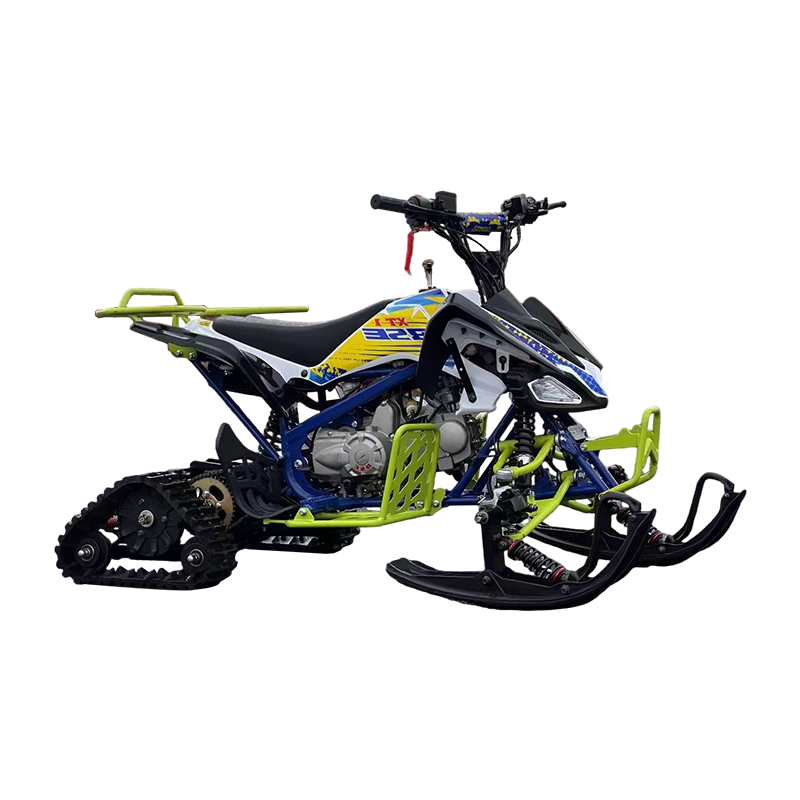
ATVs are designed for surfaces that can vary considerably, including dirt paths, grassland, gravel, forest trails, and uneven outdoor areas. Suspension design therefore receives considerable attention during vehicle development.
Independent suspension systems can allow each wheel to respond to surface changes separately. This arrangement can improve wheel movement across uneven ground and contribute to a smoother ride.
All Terrain Vehicle Suppliers may also offer different shock absorber configurations, suspension travel options, and tire sizes. These details allow manufacturers to develop vehicles for specific riding conditions.
Utility Features Expand ATV Applications
Utility-focused ATVs often include practical features such as front and rear racks, towing points, storage compartments, and protective body structures. These additions can make the vehicle suitable for outdoor work and equipment transportation.
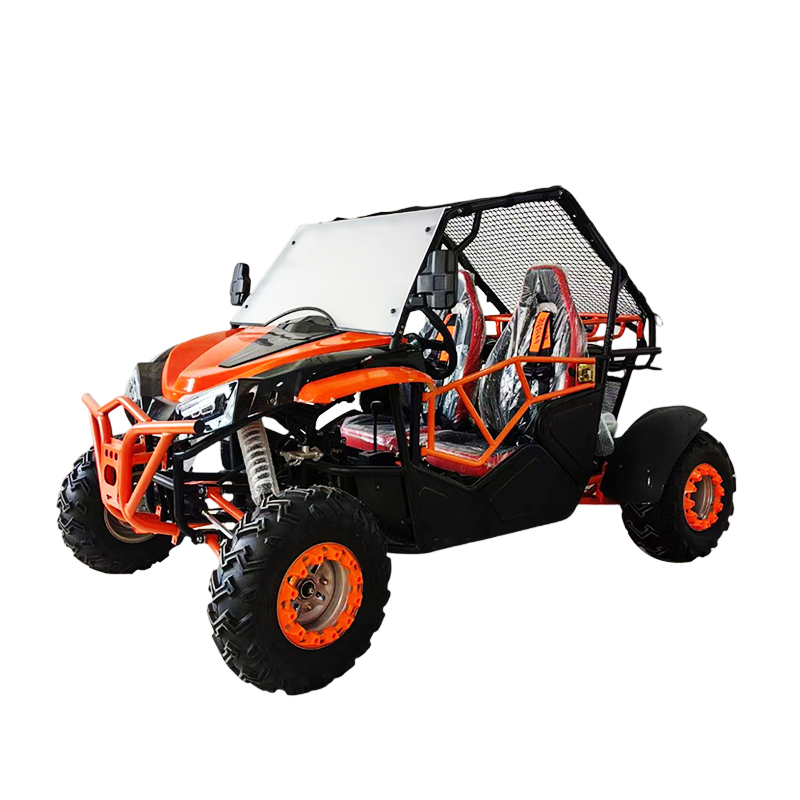
Recreational models may take a different approach, focusing more on seating position, steering response, body styling, and riding comfort. Some models combine utility and recreational features for users who need a flexible vehicle.
For All Terrain Vehicle Suppliers, this product diversity creates opportunities to serve customers with different requirements rather than relying on one standard vehicle configuration.
Manufacturing Involves Multiple Vehicle Systems
ATV production combines several mechanical and electrical systems. The frame provides the main structural foundation, while the engine and transmission create the power system. Suspension, steering, braking, wheels, lighting, and electrical components complete the vehicle package.
Manufacturers typically organize these systems into production stages covering frame fabrication, component assembly, wiring installation, body fitting, and final vehicle inspection.
Component compatibility is also important. Engine dimensions, suspension mounting points, wheel positions, and body panels need to work together within the available vehicle space.
Customization Adds Product Flexibility
Customization has become another area of interest in the ATV market. Buyers may look for different body colors, seating arrangements, cargo racks, tire patterns, lighting systems, or storage solutions.
Some All Terrain Vehicle Suppliers provide configurable models that allow customers to select specific features for recreational or utility applications. This approach can make the vehicle easier to match with particular operating conditions.
For distributors, having several configurations can also help address different customer groups and regional preferences.