English
 Español
 عربى
عربى
Loose sand has always been a tricky surface for wheeled vehicles, and that's exactly the gap an adult beach car is built to fill. These low-profile, open-frame vehicles pair oversized tires with a stripped-down body designed to keep weight distributed and traction steady on soft, shifting ground. Resorts, rental operators, and coastal property managers have been adding them to their fleets alongside golf carts and utility vehicles, giving guests a way to move along shoreline paths or dunes without getting stuck.
Tires Do Most of the Work
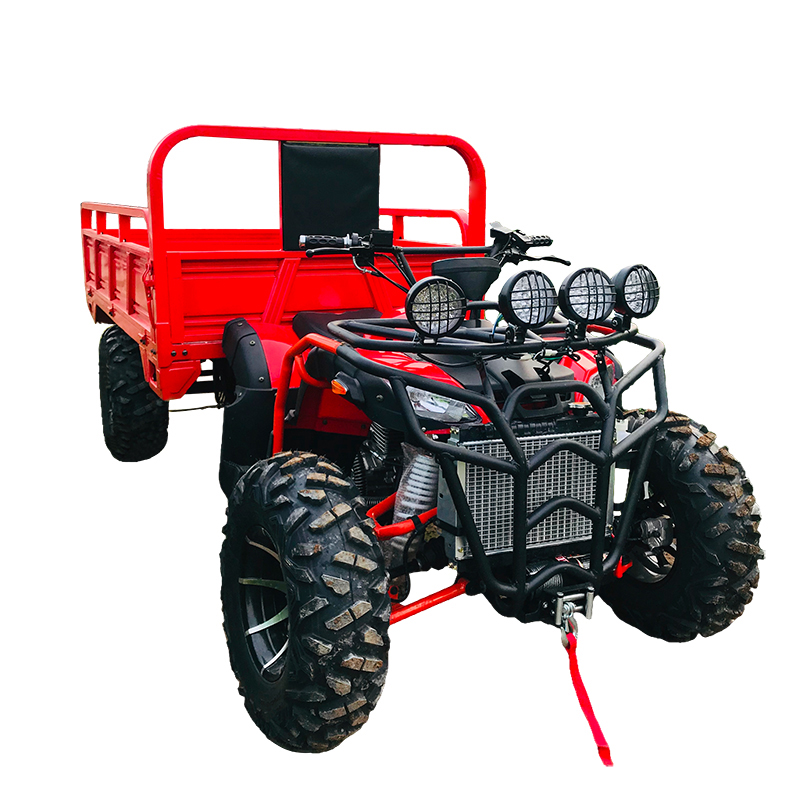
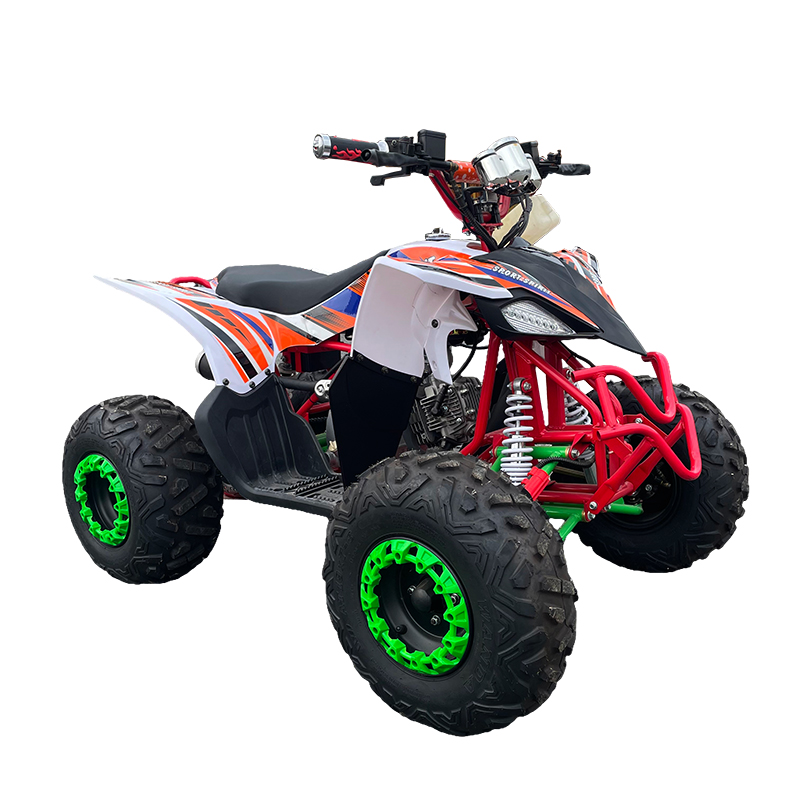
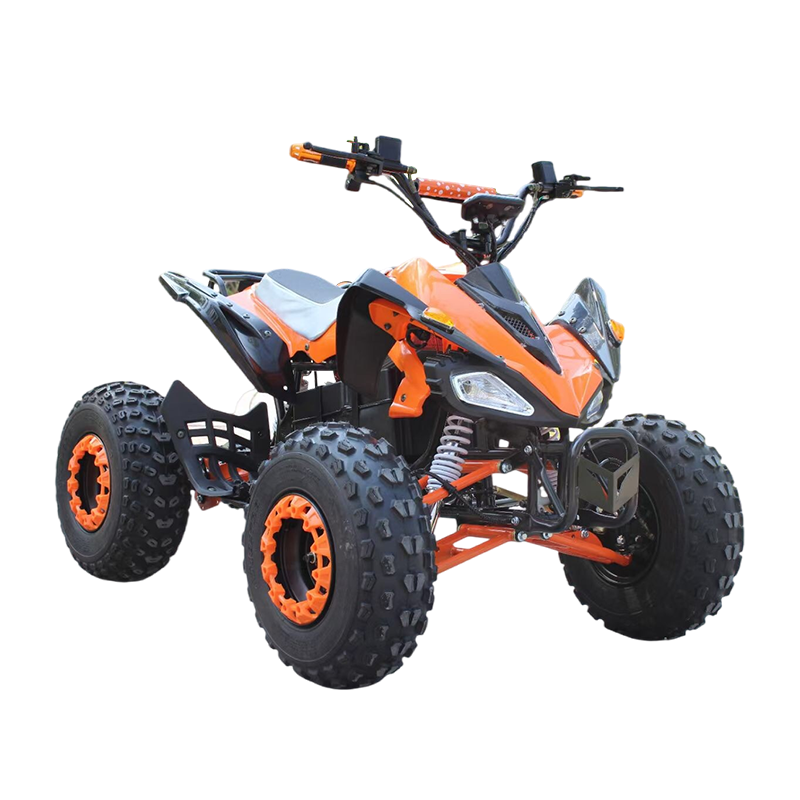
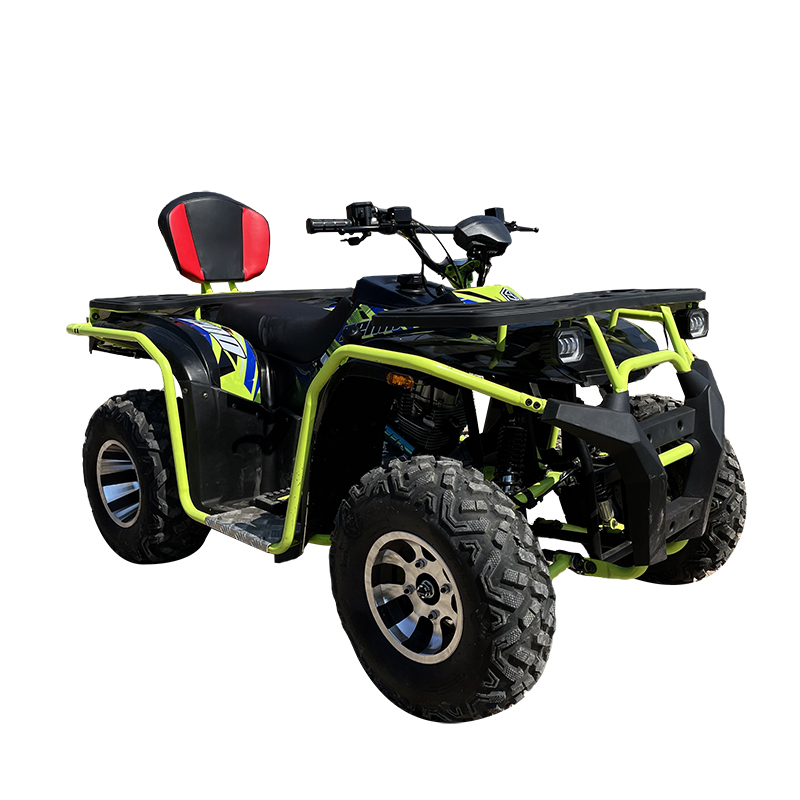
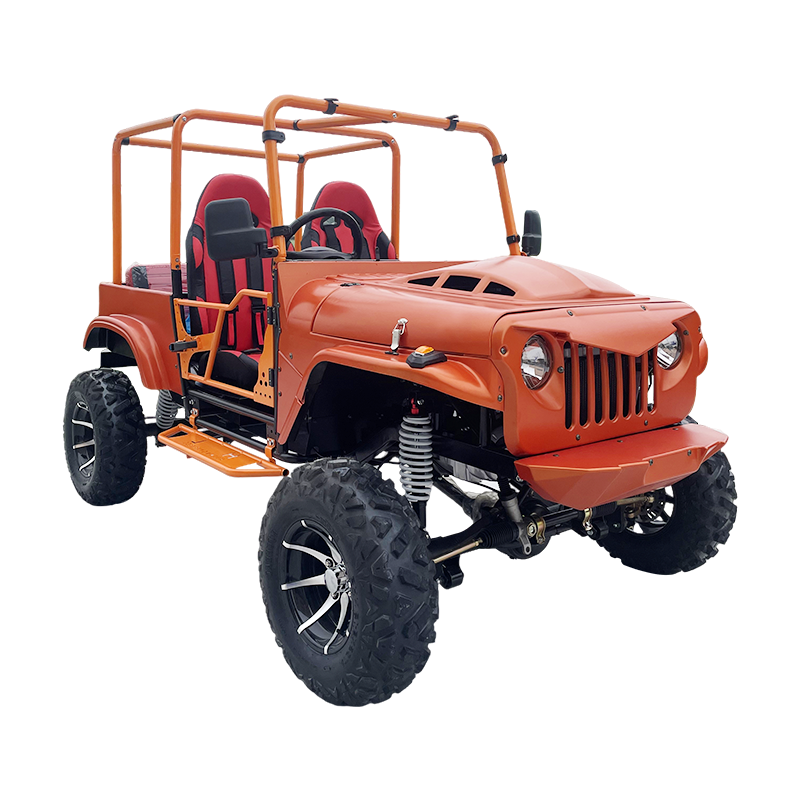
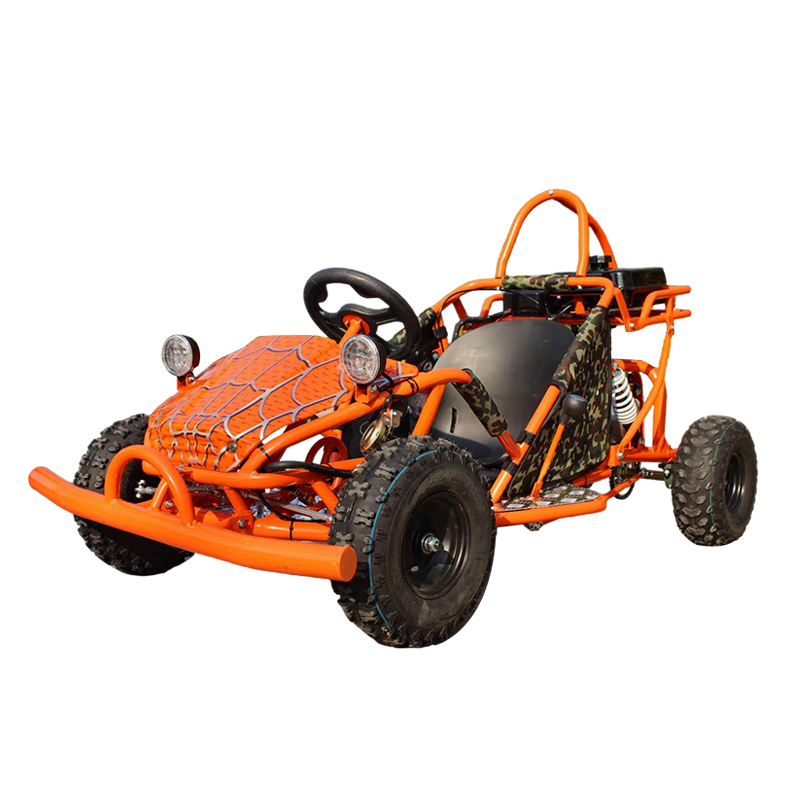
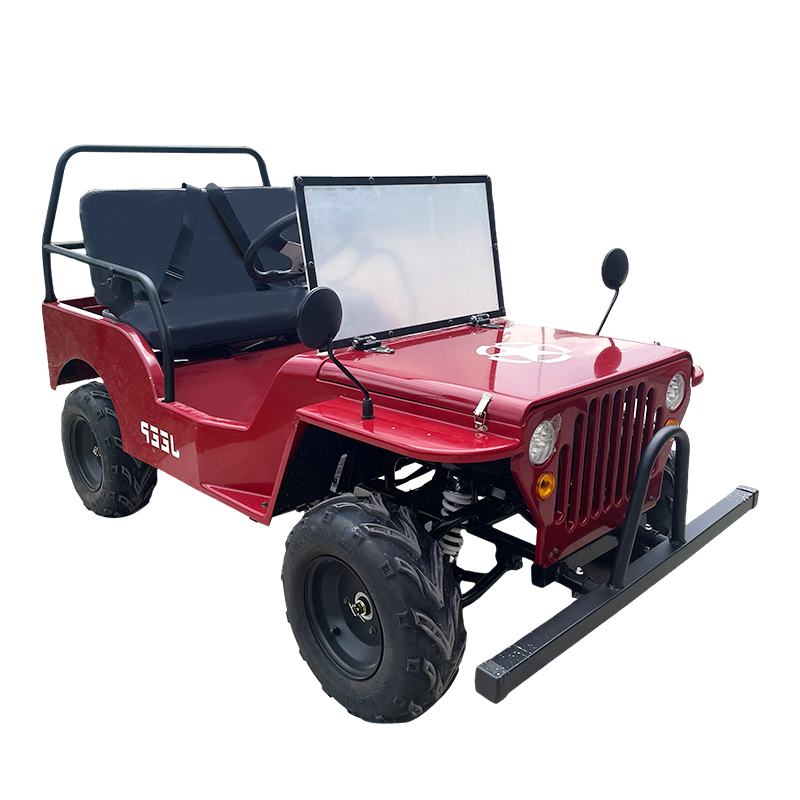
The defining feature of an adult beach car is its tire setup. Wide, low-pressure tires — sometimes called balloon or fat tires — spread the vehicle's weight over a larger surface area, which keeps it from sinking into sand the way a standard car or cart tire would. Some models use tires wide enough to resemble small tractor tires, while others take a lighter approach with slightly narrower rubber paired with a lighter frame overall. Either way, the tire choice shapes how the vehicle handles soft ground, inclines, and the transition between packed and loose sand near the waterline.
Suspension tends to stay simple on many models, since the tires themselves absorb a good portion of the bumps and unevenness that come with beach terrain. Buyers sourcing an adult beach car for rental fleets often ask about tire replacement availability, since tires see more wear in sandy, salty environments than they would on pavement.
Frame and Seating Layouts
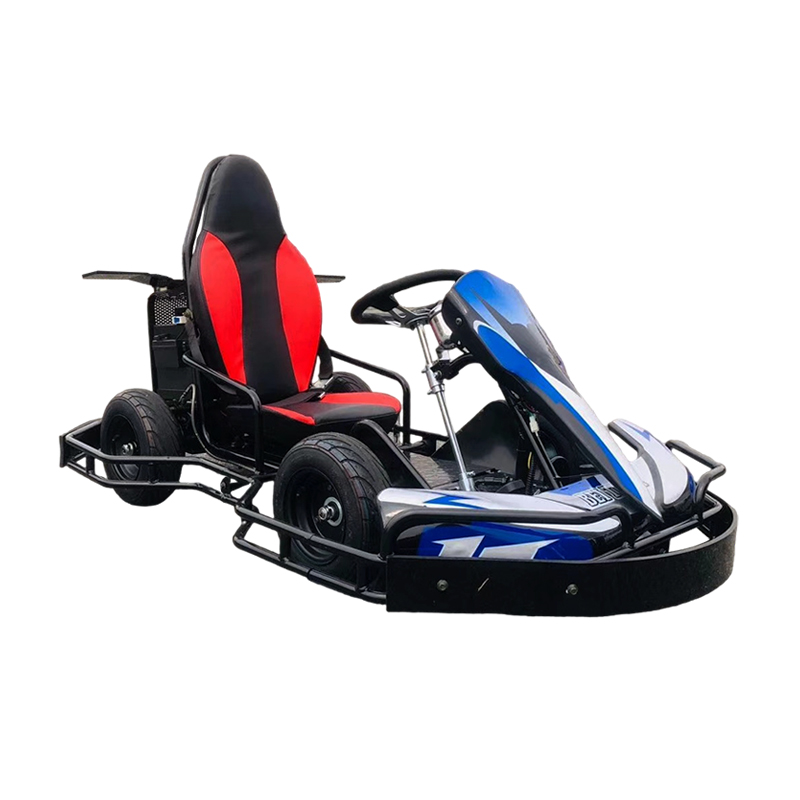
Most adult beach car models use an open, buggy-style frame rather than an enclosed cabin, which keeps weight down and gives riders an unobstructed view while cruising along a beach or boardwalk. Seating arrangements vary — some units are built for a single rider, while others include a bench or side-by-side configuration for two people. A few larger designs add a small rear cargo area or basket, useful for carrying towels, coolers, or beach gear without needing a separate trip back to a parking area.
Frame materials typically lean toward corrosion-resistant metals or coated steel, since salt air and sand exposure can wear down untreated surfaces faster than inland use would. Buyers evaluating an adult beach car for coastal rental operations frequently ask about frame coating and hardware finish, since that detail affects how the vehicle holds up through repeated exposure to salty, humid air.
Power Options: Pedal, Electric, and Gas
Not every adult beach car runs the same way. Pedal-powered versions keep things simple and appeal to buyers targeting a lower price point or a more active, exercise-oriented ride. Electric models have picked up interest for rental fleets, since they offer a quieter ride and don't require riders to pedal through soft sand, which can be tiring even with wide tires helping traction. Gas-powered versions exist too, generally aimed at buyers who want longer range or don't want to manage battery charging schedules across a busy rental day.
Each power type comes with different weight and balance considerations. Electric models carry battery weight low in the frame, which can help stability on uneven terrain, while gas models need space for a fuel tank and engine housing that shifts the vehicle's overall footprint. Buyers sourcing for family-oriented rental locations often lean toward electric or pedal options, since they tend to feel more approachable for casual riders trying the vehicle for the first time.