English
 Español
 عربى
Industrial operators, construction managers, and agricultural teams often require vehicles that can move people and equipment across uneven ground. All Terrain Vehicle Suppliers provide machines designed for these demanding conditions. Their role centers on matching vehicle capabilities to the practical needs of commercial and industrial users.
Core Capabilities of the Vehicles
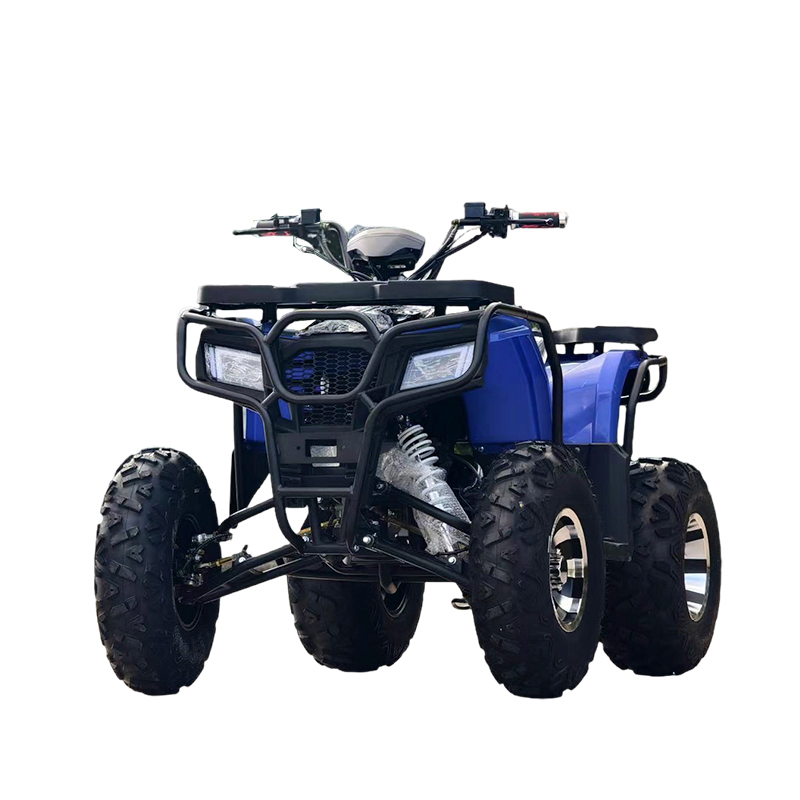
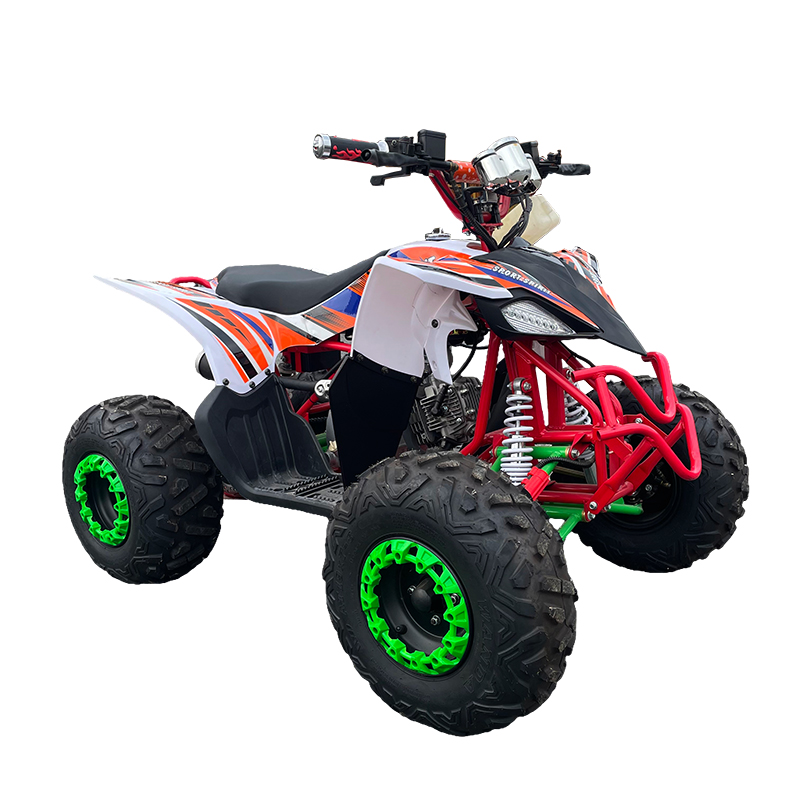
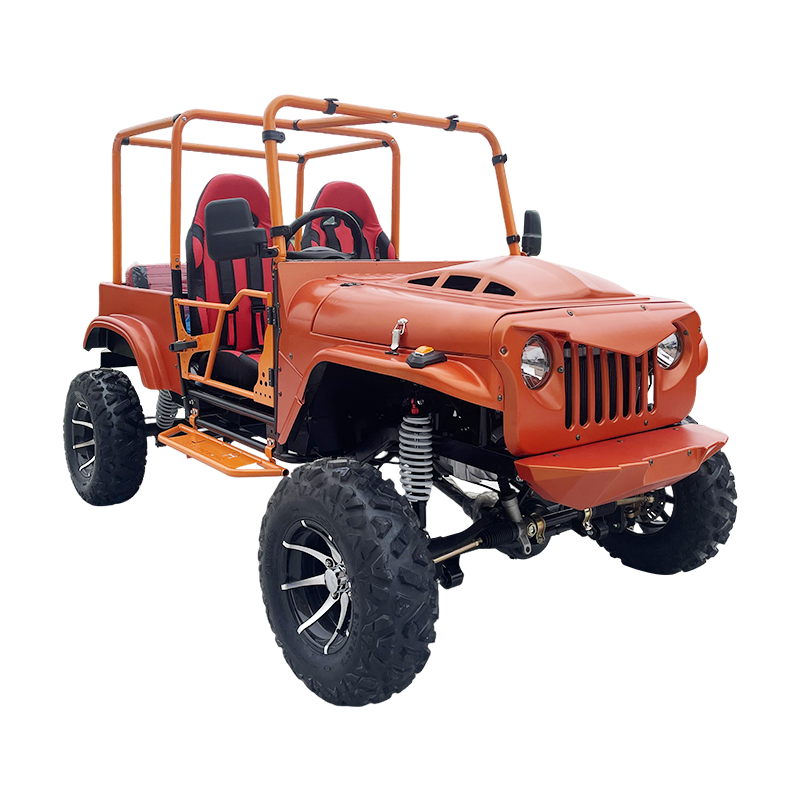
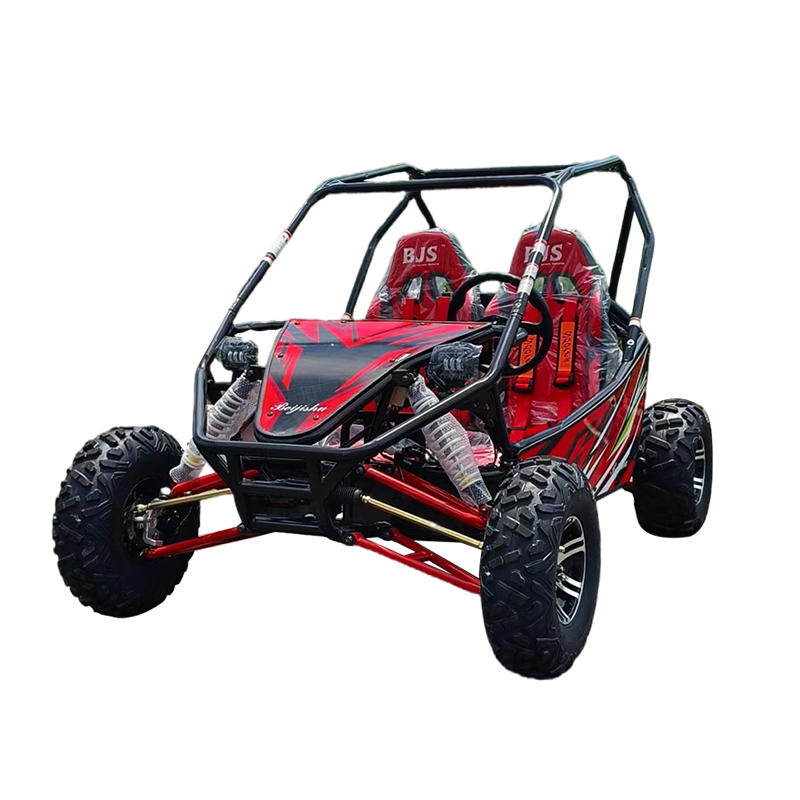
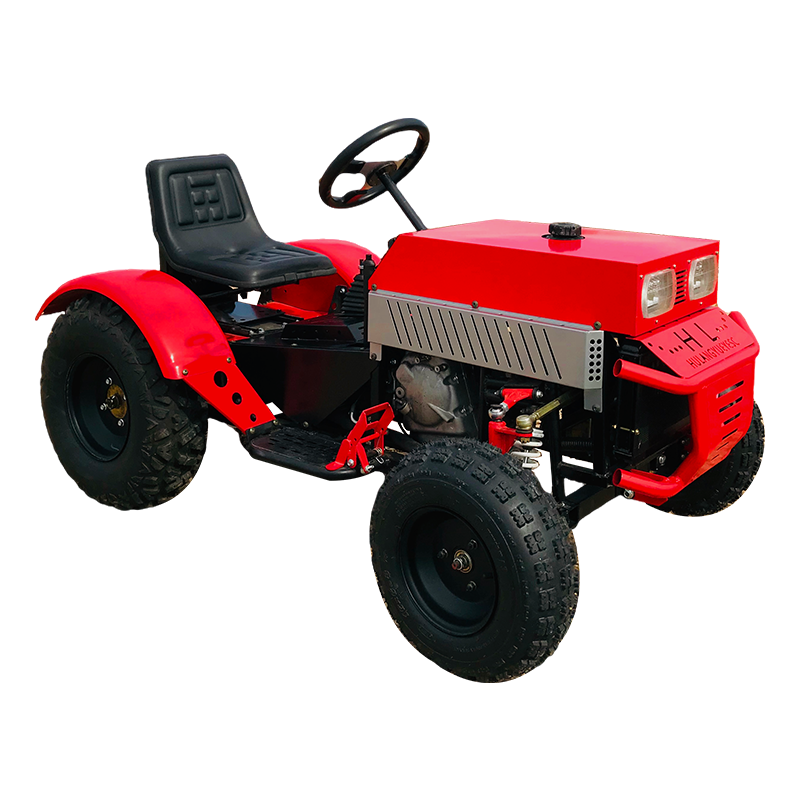
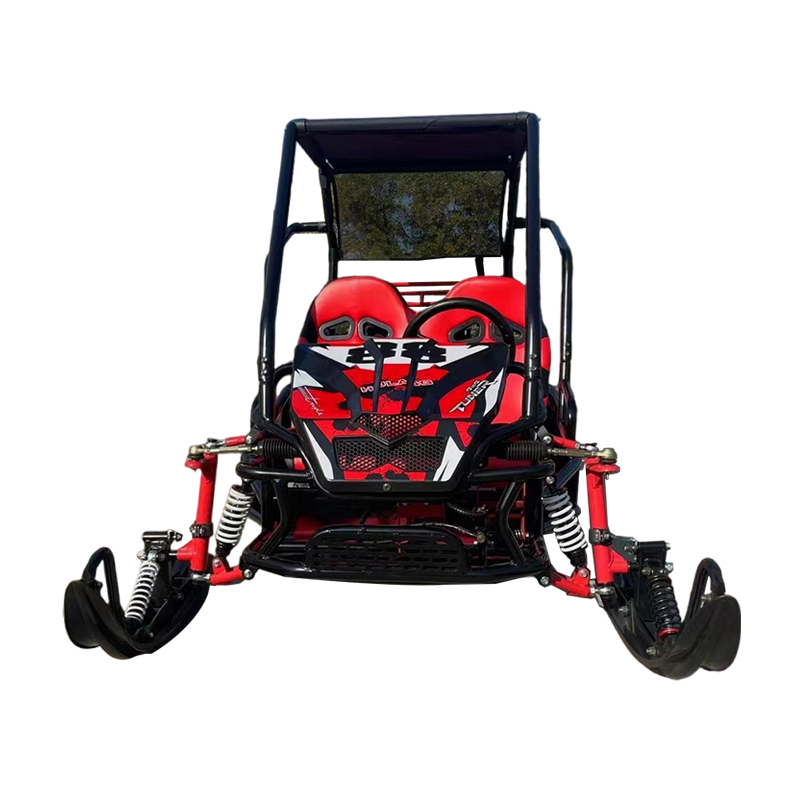
An all-terrain vehicle typically features a compact chassis, high ground clearance, and a suspension system that absorbs impacts from uneven surfaces. Four-wheel drive systems and low-range gearing allow the vehicle to maintain traction on slopes and soft ground. Seating arrangements range from single-operator layouts to multi-passenger configurations that transport small crews.
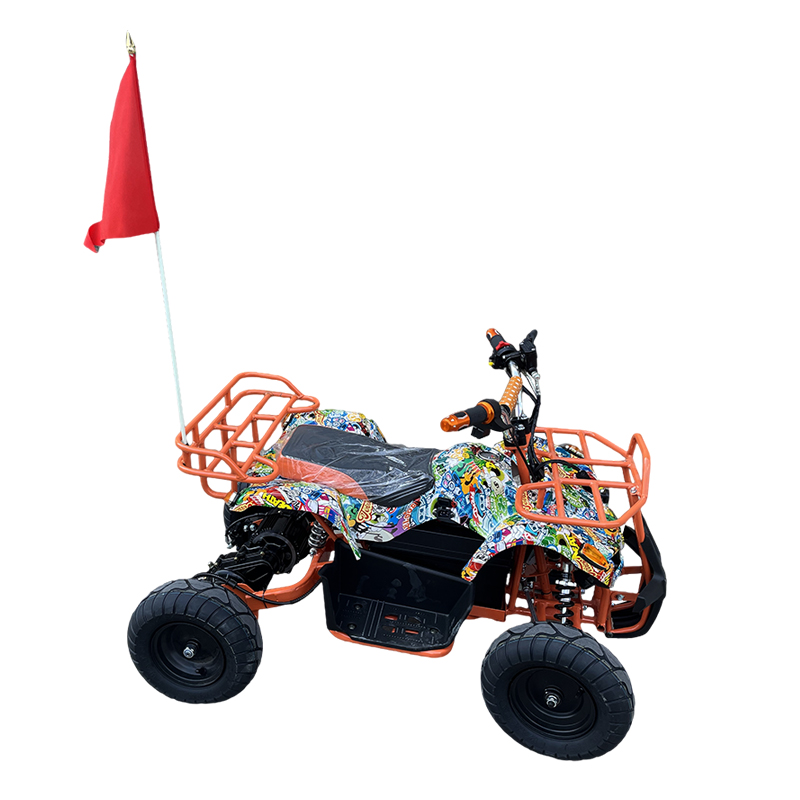
Cargo racks, winches, and towing hitches expand the practical utility of these machines. Operators can carry tools, materials, or light equipment without relying on larger trucks that may struggle in restricted or soft-soil areas. The relatively narrow width of many models also permits travel along trails or between rows in agricultural settings.
Common Industrial and Commercial Uses
Construction sites frequently rely on vehicles sourced from All Terrain Vehicle Suppliers to move supervisors, inspectors, and small loads across unfinished terrain. The machines reduce walking time and allow faster response when equipment or materials need relocation.
In agricultural operations, the same vehicles support daily checks of fields, fencing, and irrigation systems. Their ability to travel between crop rows or across pastures makes them useful for routine monitoring tasks. Utility crews and maintenance teams also use them to reach remote infrastructure such as pipelines, power lines, or communication towers.
Mining and resource-extraction sites represent another regular market. Here the vehicles assist with personnel transport and light logistics in areas where heavier equipment would create unnecessary ground disturbance or face access limitations.
Features That Influence Selection
When evaluating options from All Terrain Vehicle Suppliers, buyers typically examine engine type, power output, and cooling systems suited to continuous operation. Transmission choices—automatic or manual—affect both ease of use and control on steep grades.
Tire selection plays a significant role. Aggressive tread patterns improve grip in mud or loose soil, while smoother options reduce ground marking in more sensitive areas. Some models offer adjustable suspension settings that allow operators to adapt ride height and stiffness according to load and surface conditions.
Operator protection elements such as roll-over structures, hand guards, and secure seating contribute to safer daily use. Storage compartments and mounting points for additional equipment further increase the vehicle’s usefulness across different tasks.
Practical Advantages Observed on Sites
Teams that introduce vehicles obtained through All Terrain Vehicle Suppliers often note reduced travel time between work zones and improved ability to reach locations that larger vehicles cannot access. The compact size allows parking in tighter spaces and reduces the need for extensive access roads.
Fuel efficiency relative to larger utility vehicles also supports longer operating periods between refueling stops. Combined with straightforward controls, these characteristics help operators complete routine tasks with less physical strain and shorter overall cycle times.
Across construction, agriculture, utilities, and resource projects, All Terrain Vehicle Suppliers continue to supply machines that address mobility challenges on uneven ground. Their focus on practical capability, configurable options, and consistent availability supports the daily requirements of professional users who need reliable transport across varied terrain.