English
 Español
 عربى
عربى
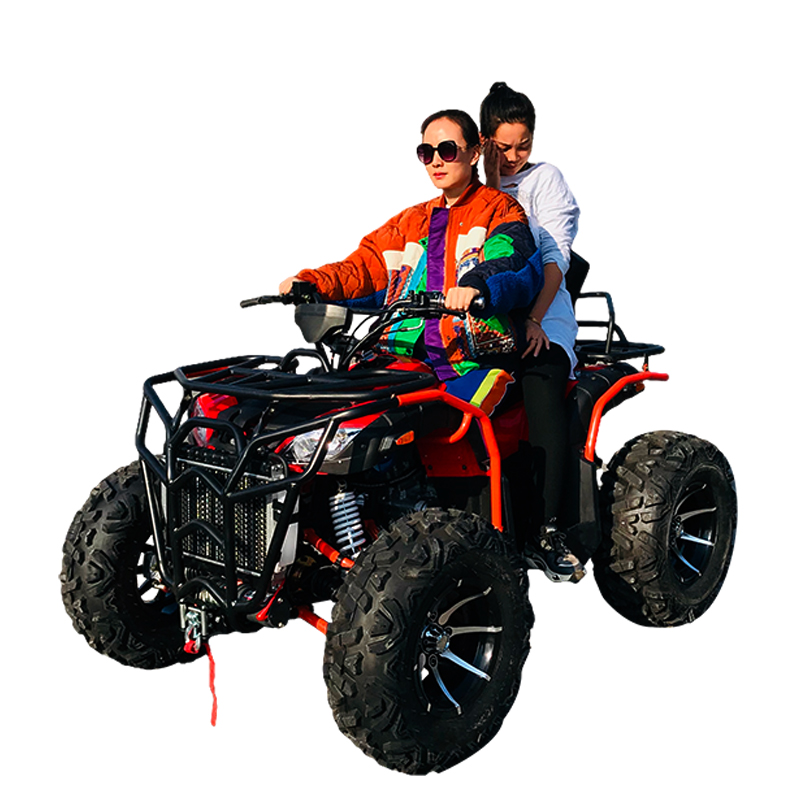
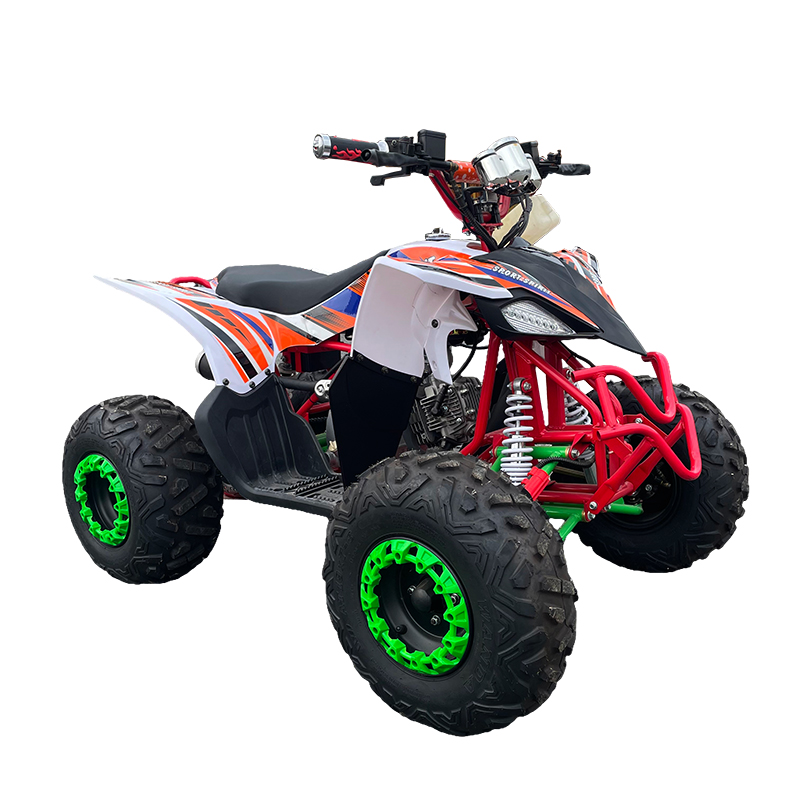
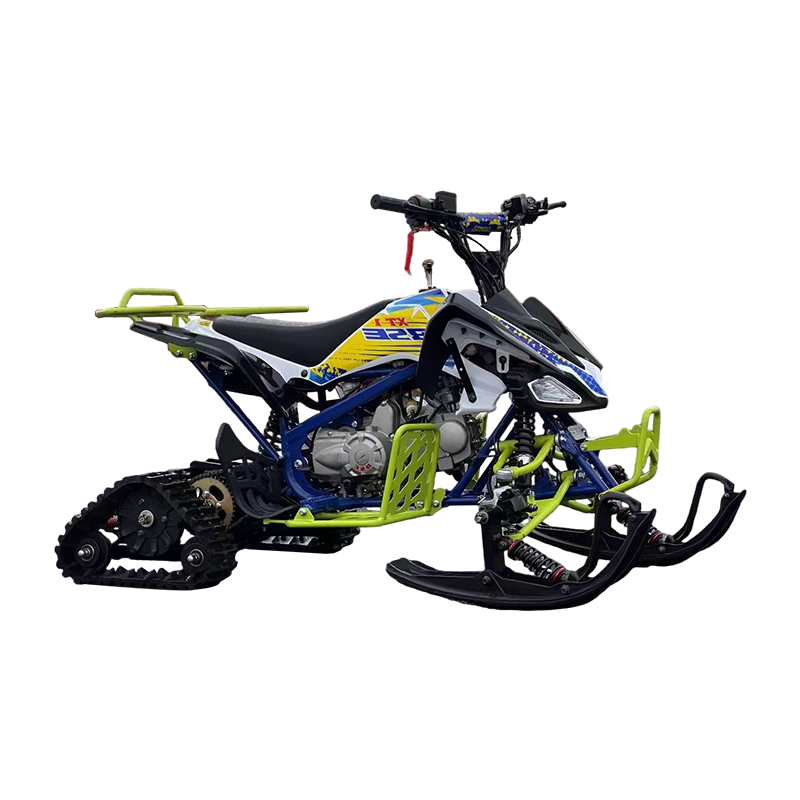
Farm fields, wooded trails, and open desert terrain all demand a vehicle that can handle uneven ground without getting stuck or stalling out. A gasoline four-wheeler fills that role for a lot of riders, using an internal combustion engine paired with a rugged frame and four-wheel drive to move across surfaces that a standard vehicle simply couldn't manage. Unlike electric alternatives that have gained attention recently, gasoline-powered models remain common largely because of how they perform under sustained, heavy use across long distances.
How The Engine And Drivetrain Work Together
At the core of any gasoline four-wheeler sits a combustion engine, typically ranging from smaller displacement units suited for recreational riding to larger engines built for hauling or towing work. Fuel gets mixed with air, ignited within the cylinder, and that combustion drives the pistons that ultimately turn the wheels through a connected drivetrain system. This basic mechanical process hasn't changed much over the years, though engine efficiency and power delivery have been refined considerably across different manufacturers and models.
Four-wheel drive systems play an equally important role in how these vehicles handle difficult terrain. Power gets distributed to all four wheels rather than just two, giving the vehicle better traction when climbing inclines, crossing loose gravel, or pushing through mud. Some models allow riders to switch between two-wheel and four-wheel drive depending on conditions, offering flexibility between fuel efficiency on flat terrain and traction when the ground gets rougher.
Common Engine Sizes And What They're Suited For
Engine displacement varies considerably across the gasoline four-wheeler category, and matching engine size to intended use matters quite a bit. Smaller engines tend to suit recreational trail riding, while larger displacement engines handle heavier work tasks more comfortably. General categories include:
- Smaller displacement engines, often suited for lighter recreational riding and younger or less experienced riders
- Mid-range engines, balancing power and fuel use for general trail and utility riding
- Larger displacement engines, typically chosen for towing, hauling, or demanding work applications
- Utility-focused engines, built with lower-end torque suited for slow, controlled work around a farm or property
Choosing the right engine size often comes down to how the vehicle will actually be used, since an oversized engine on a lightweight recreational model can feel difficult to control, while an undersized engine on a work-focused vehicle might struggle under load.
Transmission Options Riders Typically Encounter
Transmission type affects how a gasoline four-wheeler feels to operate, particularly for riders switching between different terrain types during a single outing. Automatic transmissions have become fairly standard across many models, adjusting gear ratios without requiring manual shifting from the rider. Manual and semi-automatic options still exist though, often preferred by riders who want more direct control over power delivery, particularly when navigating technical terrain that benefits from precise gear selection.
Continuously variable transmissions, commonly found in newer models, adjust gear ratio smoothly rather than shifting through fixed gears, which tends to produce a smoother power delivery across varying speeds and terrain conditions.
Suspension And Tire Considerations For Rough Ground
Handling uneven terrain isn't just about engine power; suspension design and tire selection play a considerable role in how a gasoline four-wheeler absorbs impact and maintains traction. Independent suspension systems, where each wheel moves separately from the others, tend to handle rough terrain more smoothly compared to solid axle setups, though solid axles sometimes offer more durability for heavier work applications.
A few tire and suspension factors that typically affect off-road performance include:
- Tire tread pattern, which determines grip across mud, sand, or rocky surfaces
- Ground clearance, affecting how easily the vehicle clears obstacles without underbody contact
- Suspension travel distance, influencing how well the vehicle absorbs sudden terrain changes
- Tire width, balancing flotation over soft ground against stability on firmer terrain
Riders working across varied terrain types often need to weigh these factors carefully, since a tire suited for sand performs quite differently once conditions shift to rocky or muddy ground.